Archive

Věra Nováková & Pavel Brázda | Paintings, Words, Irises

Věra Nováková & Pavel Brázda | Paintings, Words, Irises

4/18/2026 – 7/12/2026

The work of two exceptional artists, life partners and companions, Pavel Brázda and Věra Nováková, reveals numerous similarities as well as strikingly contrasting tendencies. Alongside veristic painting, both artists also embraced pronounced stylisation and worked with structurally conceived paintings, often approaching the language of Informel. Their individual trajectories diverge in subject matter and in their engagement with Christianity, which each approached in a markedly different—indeed opposing—manner. Most notably, however, their differences emerge in their understanding of the relationship between the original artwork and its copy. While Věra Nováková remained committed to the unique artefact (often emphasised by her choice of subjects, such as portraits of figures close to her from the art world, as well as representatives of the Catholic faith), Pavel Brázda, inspired by his hominist ideas, leaned towards the democratisation of art. Art, in his view, should be accessible to all. For this reason, Brázda enthusiastically multiplied, reproduced, and replicated his works—first using xerography and later digital printing on canvas. As a result, some of his figures and heads exist in numerous variants, reappearing in different compositions and schemes. The first thematic line of the exhibition focuses on figures, heads, and portraits, highlighting the distinct artistic approaches of both authors.

FaVU VUT | Surfaces & Spaces

FaVU VUT | Surfaces & Spaces

4/18/2026 – 7/12/2026

The exhibition presents works by students and graduates of two studios at the Faculty of Fine Arts of Brno University of Technology – Drawing and Printmaking Studio and Spatial Design Studio. A dialogue emerges between the two groups of works, in which spatial thinking intersects with approaches that extend far beyond the level of the flat surface.

Spatial Design Studio works with forms ranging from sculptural objects through installations, kinetic and audiovisual works to site-specific interventions. A shared feature of the presented works is an emphasis on material experience, the physical presence of the artwork in space, and work with movement, sound, light, and time, as well as a sensitive relationship to the context in which the works are created and to the environments for which they are intended or in which they may appear.

Wolfwalkers | ANIFILM

Wolfwalkers | ANIFILM

4/18/2026 – 7/12/2026

For the fourth time, the Museum of Fine Arts Liberec will join forces with the International Festival of Animated Films Anifilm (5–10 May 2026) to prepare an exhibition linked to the festival’s theme. The centrepiece of the festival will be a retrospective of one of the most important contemporary animation studios, the Irish Cartoon Saloon, whose films such as The Secret of Kells, Song of the Sea and Wolfwalkers have defined European animation for almost the past twenty years. They enjoy worldwide popularity, combining bold visual approaches with strong storytelling, while naturally drawing on Irish mythology. On this occasion, Anifilm will present an exhibition of original artefacts from the film Wolfwalkers. These will include original character and environment designs, production phases from the film, and other unique materials offering insight into the making of this award-winning feature film by the director duo Tomm Moore and Ross Stewart.

Landscapes seen | Through the eyes of Karel Hynek Mácha

Landscapes seen | Through the eyes of Karel Hynek Mácha

3/28/2026 – 7/5/2026

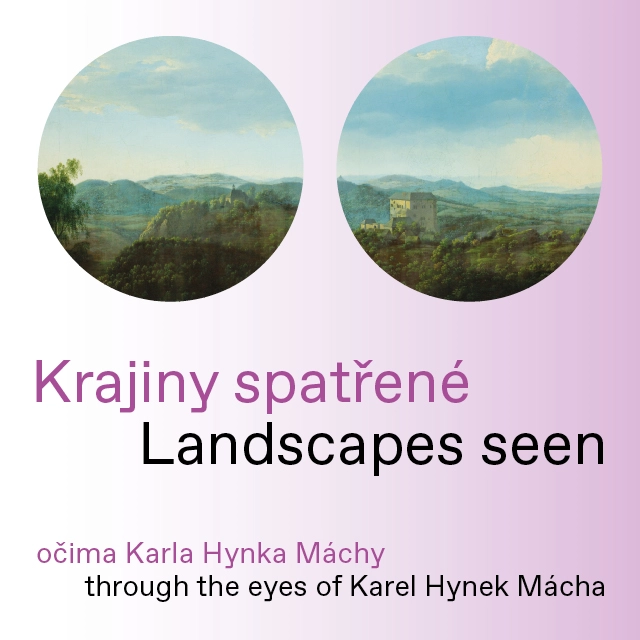
The beginning of the 19th century brings new ideas into Czech culture, a new philosophy that seeks to turn the individual’s gaze inward. It arrives in the form of the figure of a torn wanderer standing above an abyss, gazing dreamily into the distance to which he may one day arrive, contemplating the meaning of life and the significance of the individual within its cycle. What does the wanderer see? Weary of the Industrial Revolution, of human progress, of Enlightenment thought, he turns his gaze back into his soul, into the landscape both inner and outer, into an intimate experience, into a connection with nature, the land, the homeland, and history. Exactly as the German painter Caspar David Friedrich depicted him around 1818 in his painting Wanderer above the Sea of Fog.

Jiří Černický | Earthset from the Sun

Jiří Černický | Earthset from the Sun

3/28/2026 – 7/5/2026

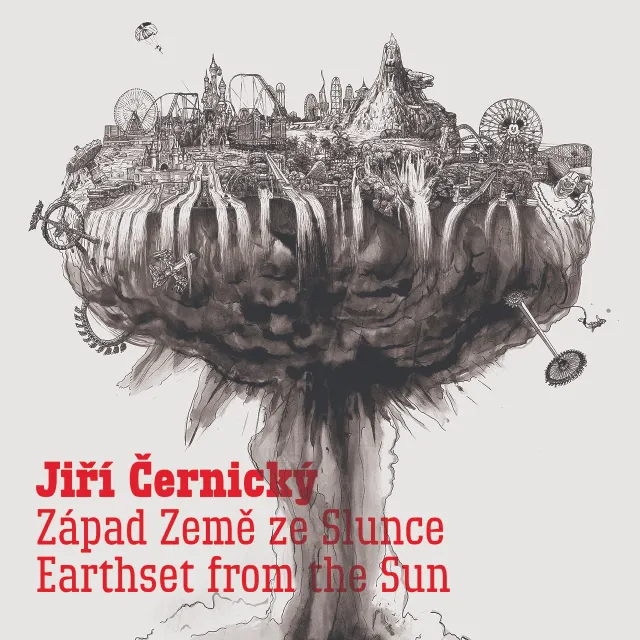
The core of Jiří Černický’s exhibition is formed by an extensive set of drawings through which the artist examines, interprets, and contextualizes themes representing key questions that shape both the connections and contradictions of today’s world. Černický understands these conceptual drawings as study plans that include both the research phase and proposals for resolving the issues under consideration. Not infrequently, the proposed solutions are realized in the form of sculptural objects or monumental installations, some of which form the main highlights of the current exhibition at the Museum of Fine Arts.

Through the Labyrinth of the Spa

Through the Labyrinth of the Spa

11/7/2025 – 4/5/2026

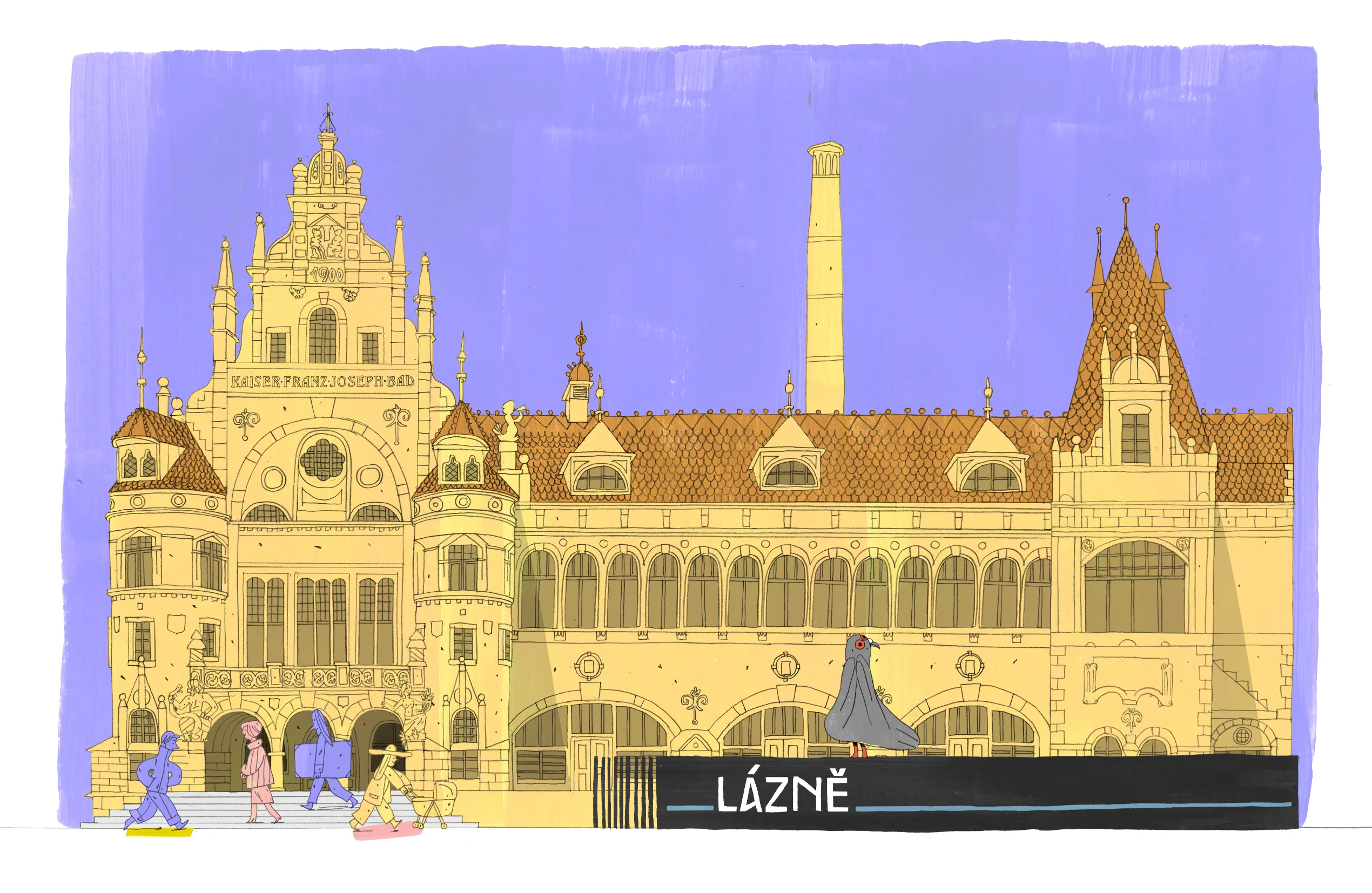
Museum of Fine Arts Liberec invites visitors of all ages to the exhibition Through the Labyrinth of the Spa, which presents the artistic world of a new children’s book created directly in the gallery’s environment. The author of the impressive and playful illustrations is the renowned graphic artist and illustrator Patrik Antczak, while the book’s graphic design was sensitively shaped by Andrea Vacovská and the story was written by the museum curator Michaela Kubišová. The exhibition offers not only a visual experience of the illustrations but also an interactive corner for children, inviting them to explore, create, and playfully wander through the labyrinth of imagination. Step into a world where the architecture of the spa turns into an adventure and the story comes alive in every picture.

Find out more
GEN 105 – Fragility of Form, Strength of Thought

GEN 105 – Fragility of Form, Strength of Thought

11/21/2025 – 3/15/2026

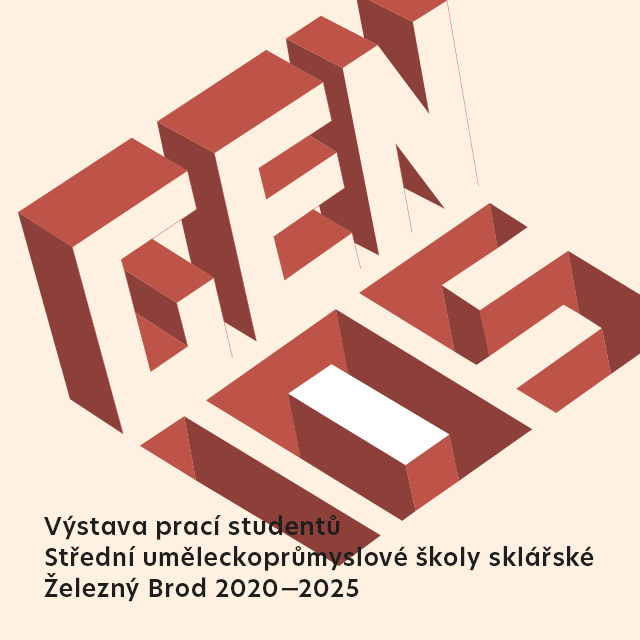
The Secondary School of Art and Design in Železný Brod celebrates 105 years of its existence. The exhibition GEN 105 – Fragility of Form, Strength of Thought commemorates this important anniversary while also presenting the school’s contemporary character – its energy, creativity, and visions for the future. The exhibition offers a selection of student works from the past five years across seven fields – from glass cutting and cast sculpture to jewelry design and product design. The exhibition is not a retrospective, but a current portrayal of a school that connects tradition with innovation, idea with form, and material with thought.

Zdena Kolečková | Grain Within Time

Zdena Kolečková | Grain Within Time

10/18/2025 – 3/1/2026

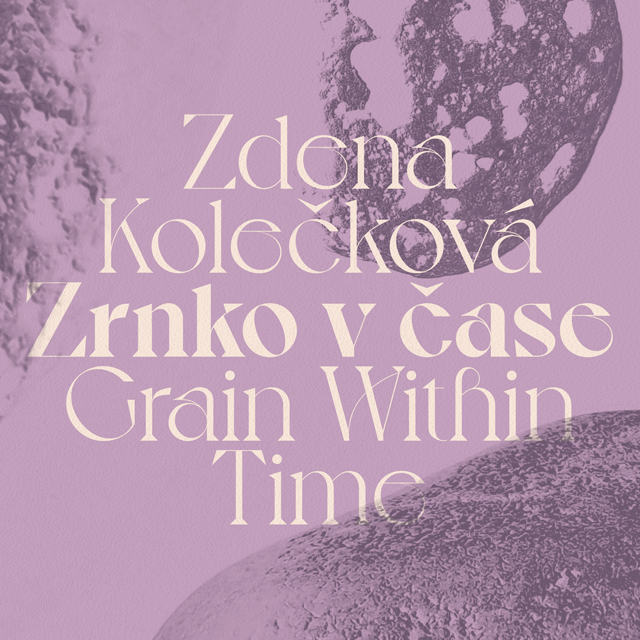
Zdena Kolečková’s exhibition presents a personal and philosophical meditation on the processes of transformation — on life in its transience, but also in its ability to persist in another, inanimate form. The central motif is metamorphosis, specifically petrification — the transition from the organic to the mineral, a process in which traces of the living are preserved in matter as silent witnesses of time.

Argonauts of the Ideal. The Art Scene in Liberec in the First Half of the 20th Century.

Argonauts of the Ideal. The Art Scene in Liberec in the First Half of the 20th Century.

11/21/2025 – 2/22/2026

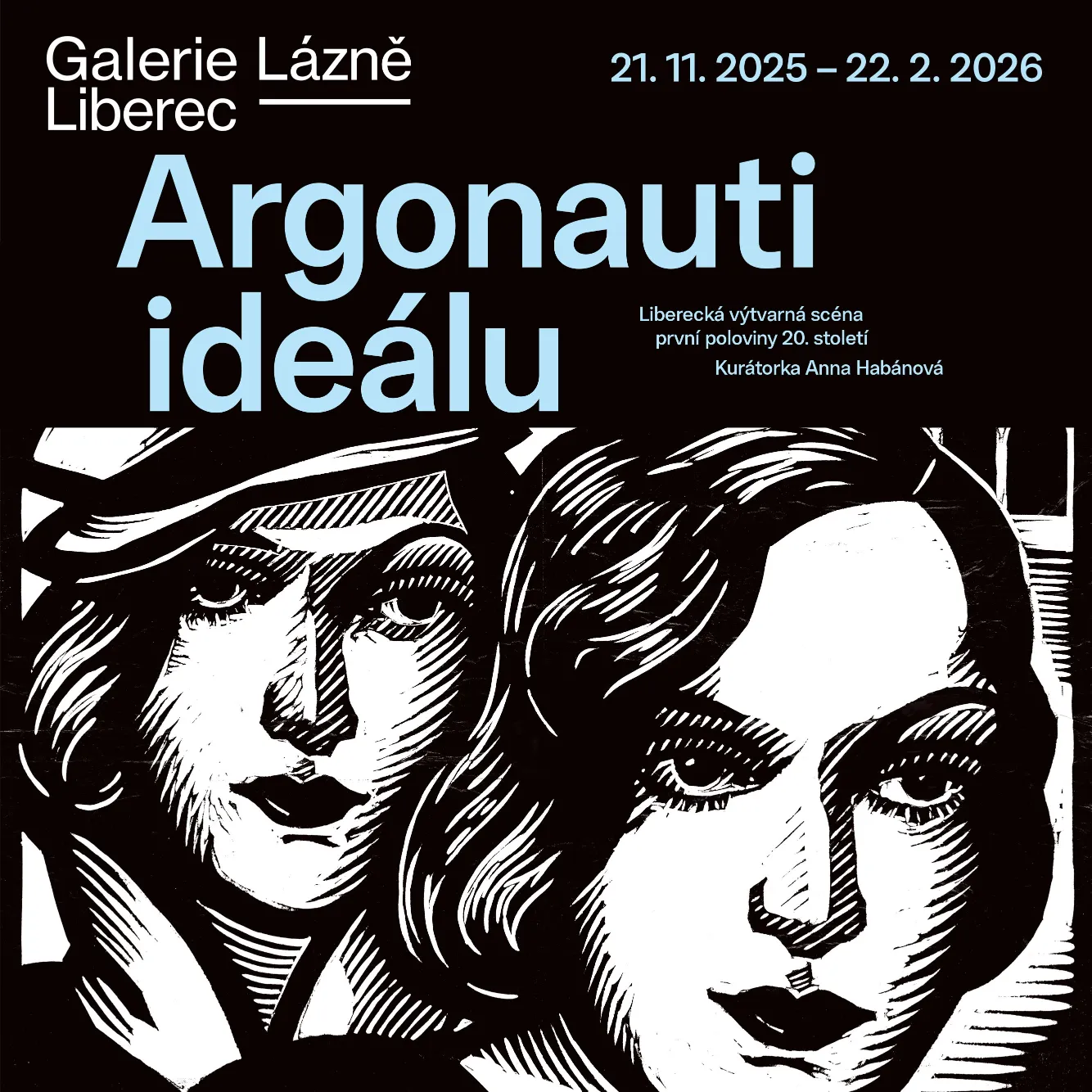
Thanks to strong industrial development during the 19th century, Liberec gradually became an important regional center where, alongside artistic crafts (focused mainly on textiles and related processes), fine art also began to emerge. Yet in 1891, art historian Ernst Polaczek still described Liberec (then Reichenberg) as a place little accessible to the muses. A few years later, the poet Erich Posselt sought to connect young citizens of Liberec who were striving for higher artistic goals. He referred to himself and his companions as Argonauts of the Ideal. His efforts were thwarted by the First World War. It was only in the 1920s that one can truly speak of a period of artistic blossoming. The youngest generation of painters and graphic artists fully engaged in artistic creation. A significant outcome was the establishment of the artists’ group Oktobergruppe, whose members left behind a body of work that extended beyond the regional context.

Jan Vochoč | A Pilgrim Through the Life of an Artist

Jan Vochoč | A Pilgrim Through the Life of an Artist

10/18/2025 – 2/15/2026

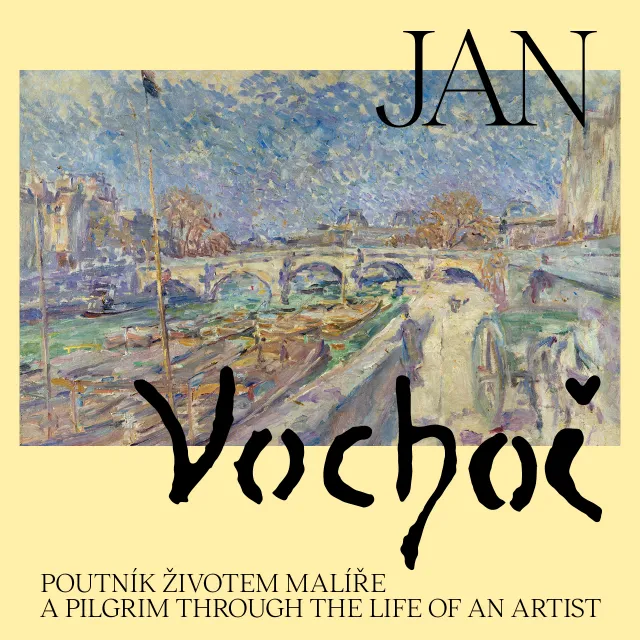
The name of Jan Vochoč (May 8, 1865 – March 20, 1920) does not particularly stand out in major bibliographies of art or artistic bibliophilia. His intricate life journey as a painter is inextricably linked to Prague, yet his traces can also be found in the Balkans, as well as in Munich and Paris. Vochoč studied at the Prague Academy of Fine Arts and, from 1883, in Munich—where he was among the first students of Professor Nikolaos Gyzis at the local Academy of Fine Arts. This was followed by a challenging life experience in Bulgaria and Greece, even reaching the secluded monastic community of Mount Athos. There, he donned the monk’s robe, but above all, he painted, and his large canvases from Athonite monasteries were later exhibited at what was probably his greatest solo exhibition in Prague’s Národní dům (National House) in (Royal) Vinohrady in 1901.

Dalibor Matouš | stiller than still life

Dalibor Matouš | stiller than still life

8/27/2025 – 11/2/2025

This year marks one hundred years since the birth of the artist Dalibor Matouš, who is known as a determined continuer of Cubist painting techniques, particularly in still lifes. However, his style went through many transformations. In his youth, there was a touch of surrealism, later it became darker, even contemplatively illusionistic. The artist's anniversary is thus an opportunity to "recolor" the view of his work a little.

Roman Shedina | Life of Vessel

Roman Shedina | Life of Vessel

6/21/2025 – 10/19/2025

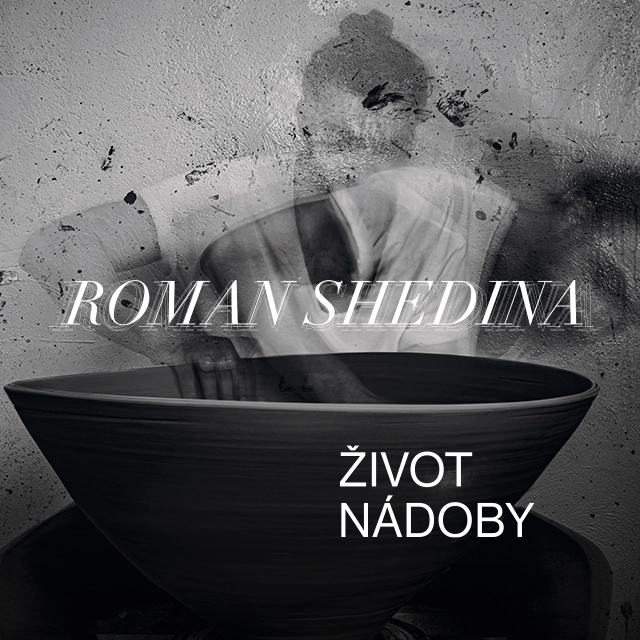
Roman Šedina (1982) transcends the boundaries between art and design. He has been exploring the format of the vessel for a long time, primarily in the form of monumental, hand-thrown vases and bowls. The labor-intensive and physically demanding process necessary for creating such an artifact is then deconstructed—he deforms, compresses, or even breaks the vessels. The final shape is often treated with bold glazes, with metallic shades from his own formulations becoming his signature style.