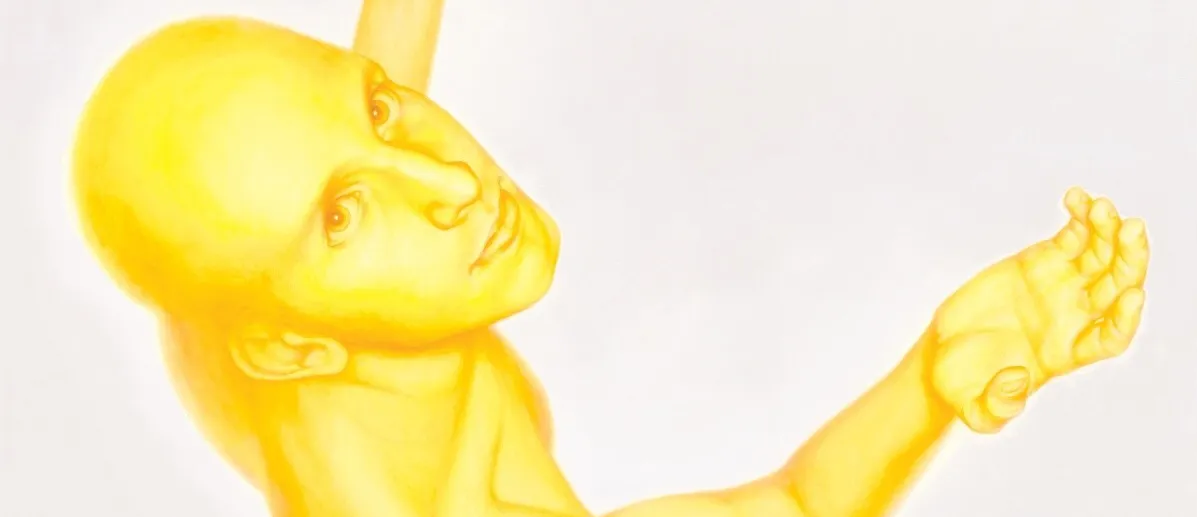
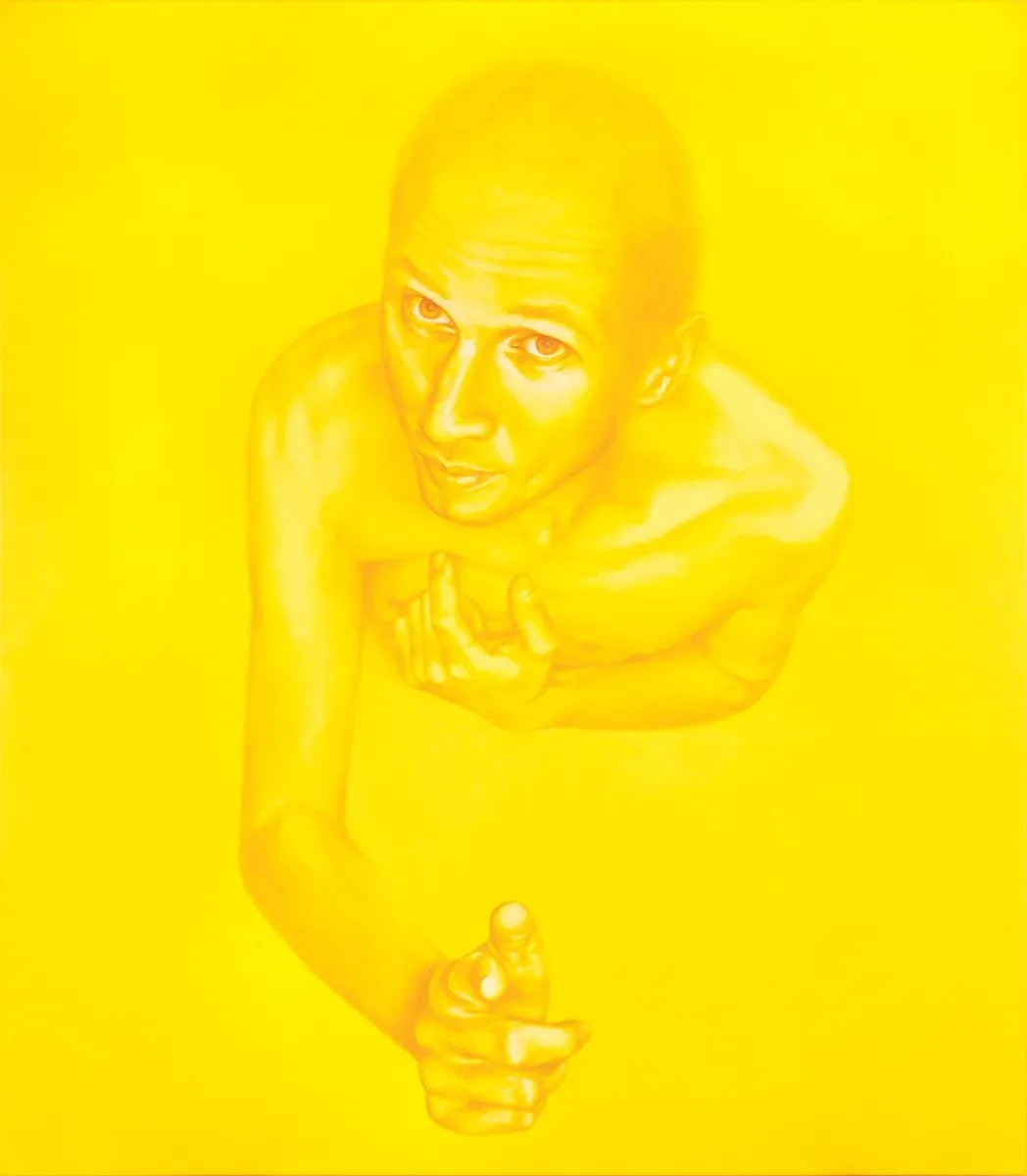
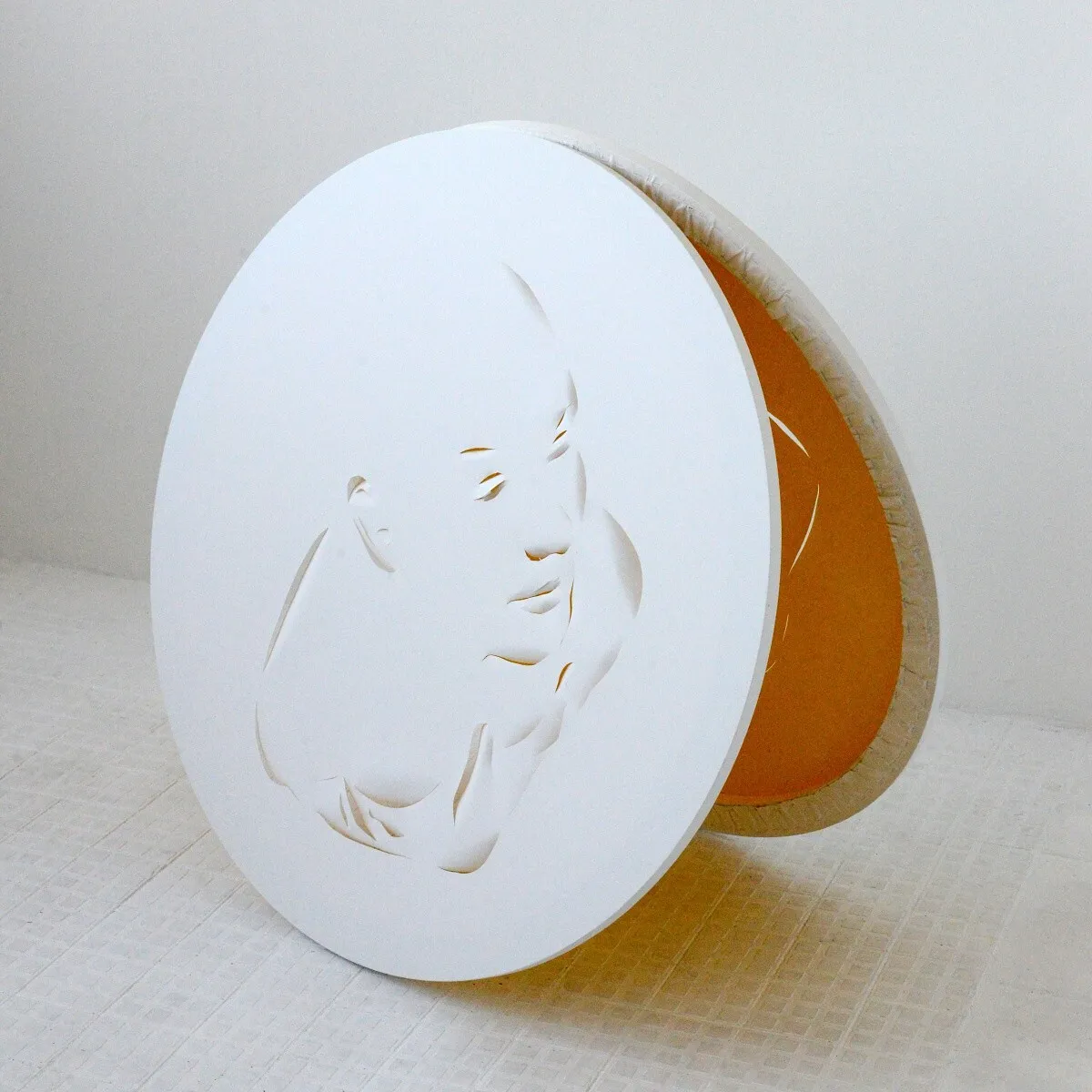
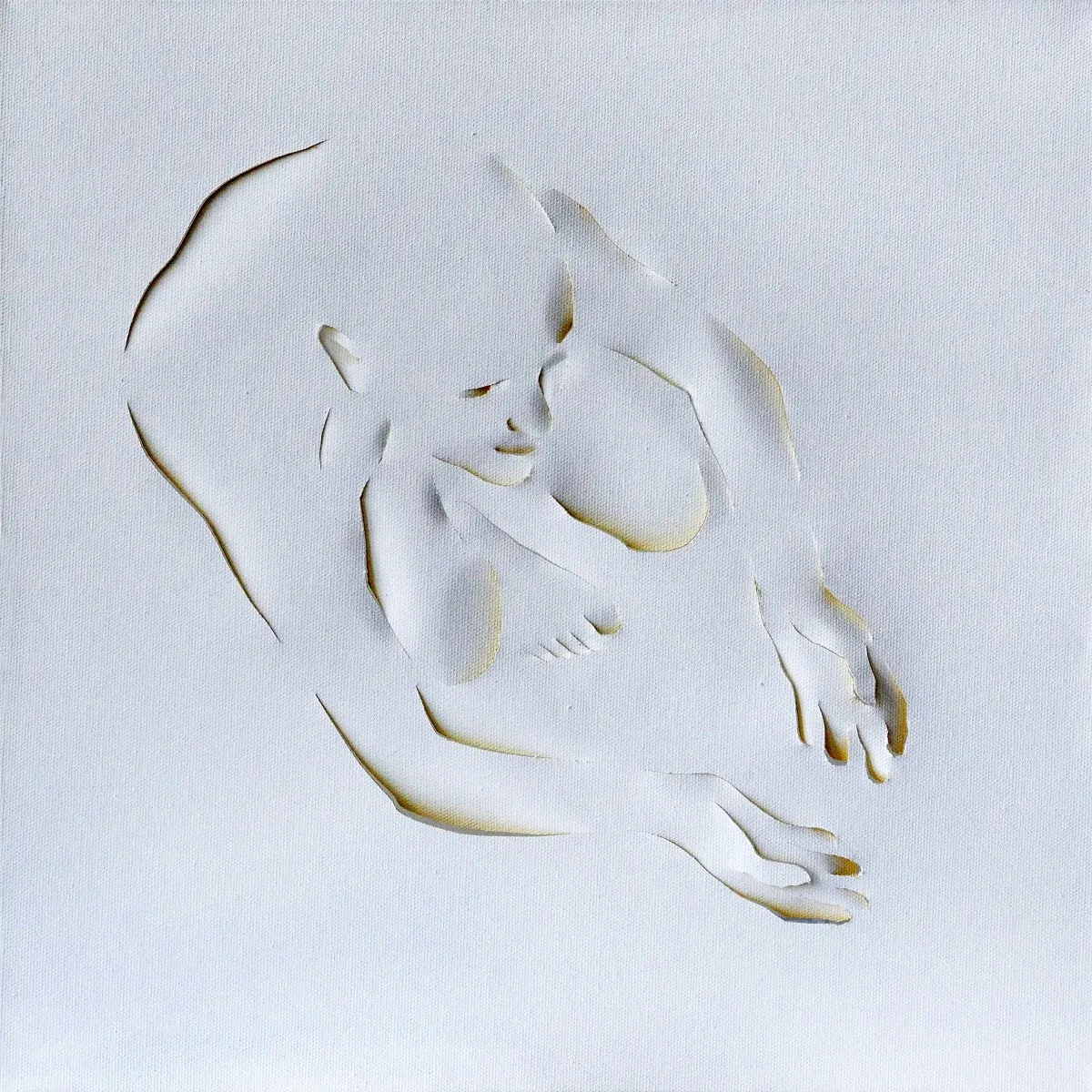
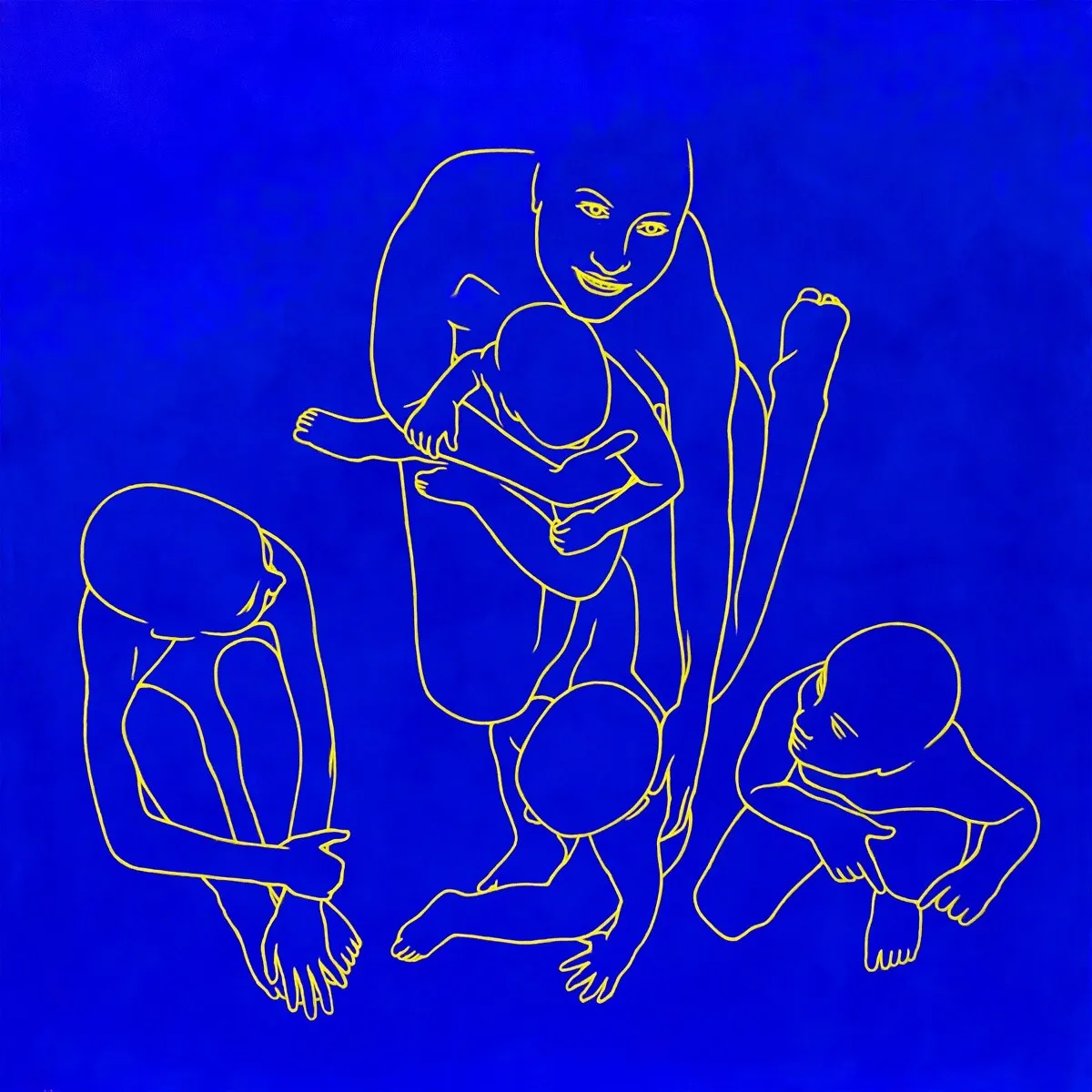
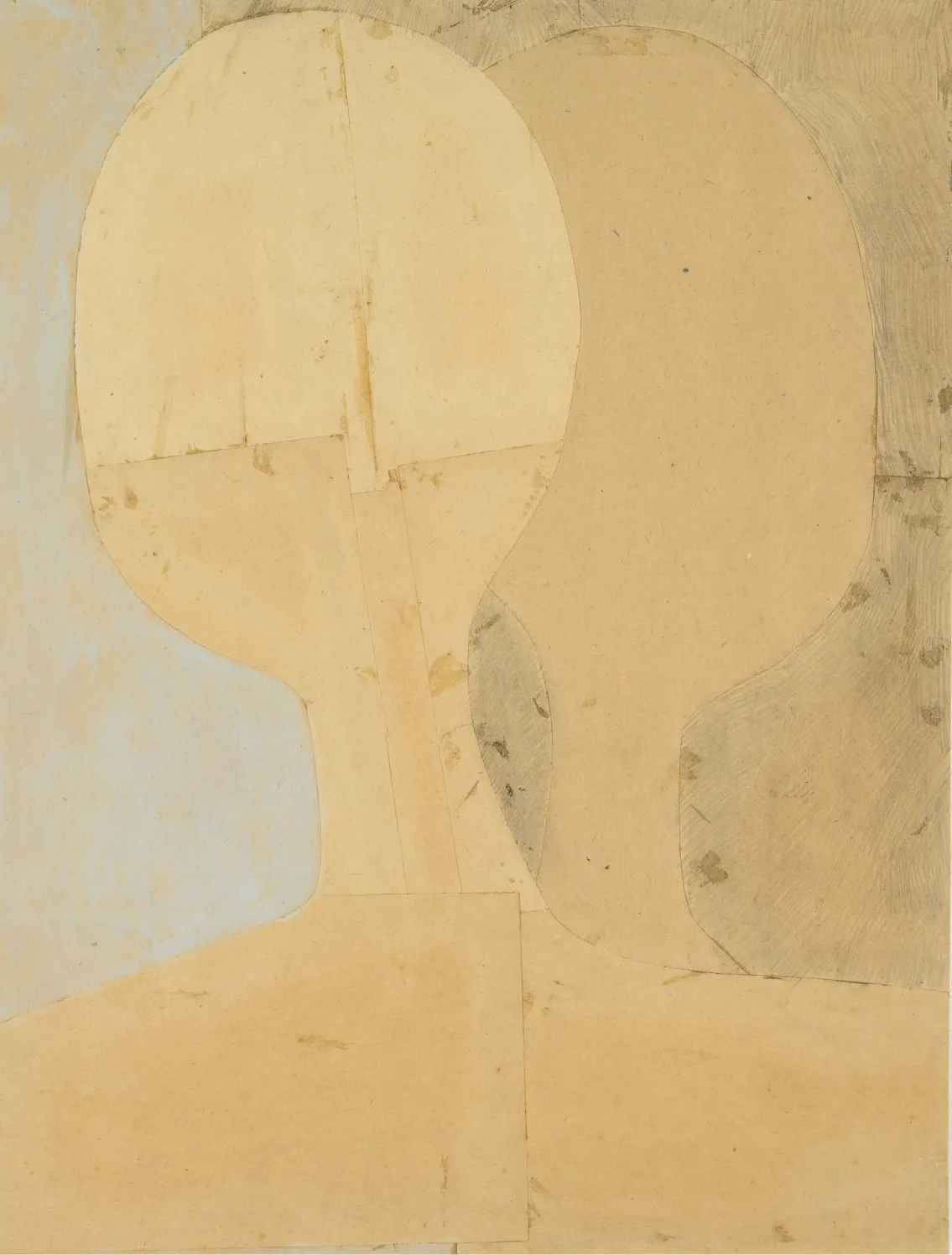
The human skin here is transformed into a painter’s canvas, cut and even wounded. The intimacy of the body is presented in its purity and vulnerability, yet it is all the more readable and communicative through the clear color palette of three primary colors: dark blue, bright yellow, and red. In contrast, Alannah Robins approaches the transcendental with more humility toward nature. She observes and perceives it. Simultaneously, she is fascinated by metamorphosis, as a certain kind of merging with nature or a transformation inherent to nature itself. Transcendence is often associated with spiritual or intellectual growth. Alannah places it in the context of the philosophy of Maurice Merleau-Ponty, who in the 20th century emphasized the importance of human embodiment and purified transcendence from religious or intellectual experiences. At the same time, the artist works with Heidegger's concept of “light” (lichtung), which we should understand as being itself. In the context of 20th-century phenomenology, this can be related to the process of questioning on the journey toward the absolute. Being in the middle is key, but also the depth of the position where we stand is a certain perspective, and according to M. Merleau-Ponty, the movement of the body shapes the landscape of the perceivable. The work of M. Merleau-Ponty becomes a significant moment in the interpretation of Alannah’s presented work, which opens various horizons of being.