Filip Leubner (1733–1803) | Late Baroque on the Lusatian Neisse

CuratorZuzana Štěpanovičová, Marius Winzeler, Jana Schlesingerová
Standard admission
180 Kč
Reduced admission
100 Kč
from 12/17/2015
to 2/28/2016
Exhibition of Filip Leubner

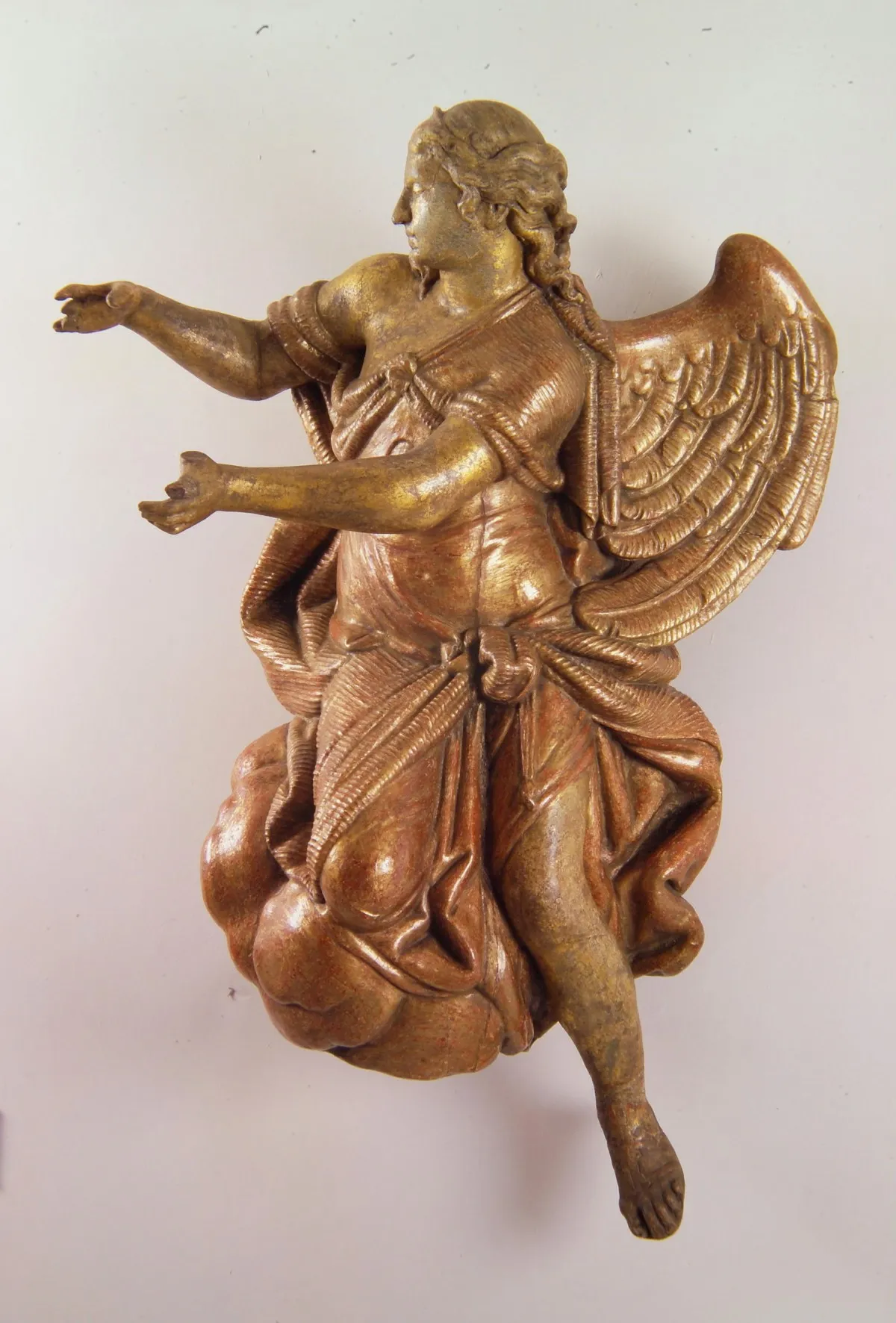
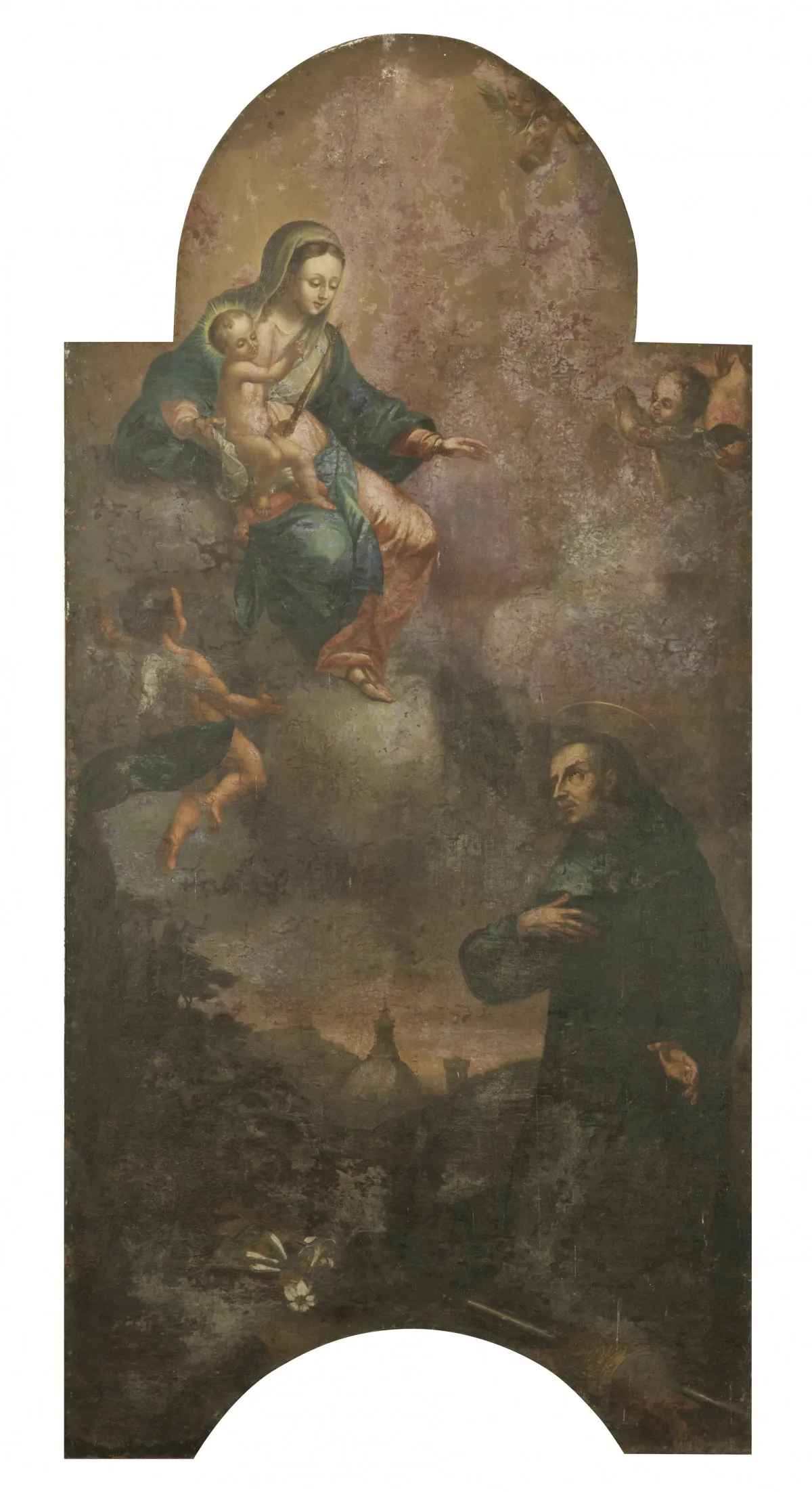
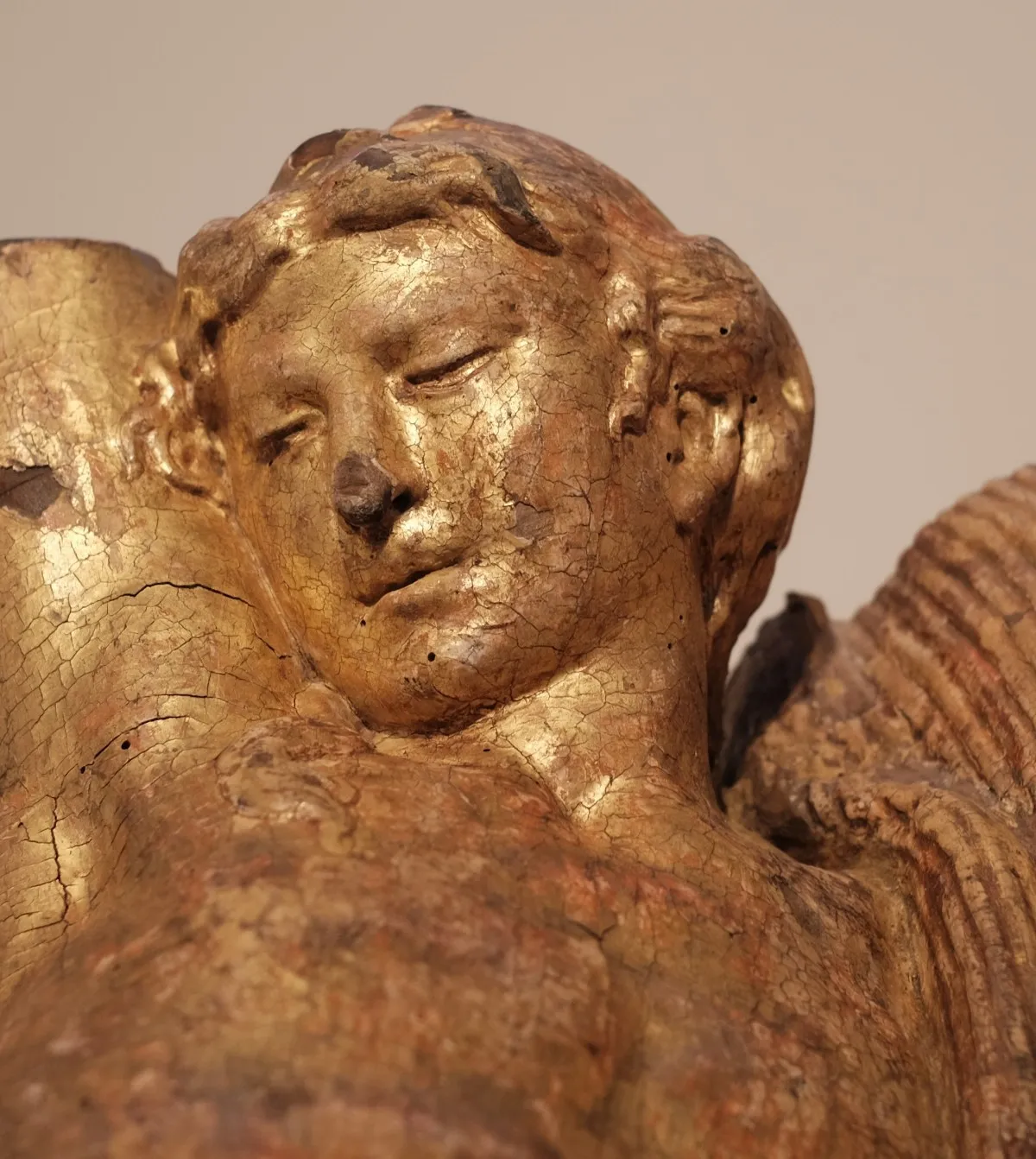
Filip Leubner, a painter of altarpieces, portraitist, and gilder, collaborated for more than forty years on the decoration of numerous churches and chapels in northern and central Bohemia as well as in Upper Lusatia. Yet to this day, he remains an almost unknown figure. The exhibition presents Leubner’s paintings alongside works by his contemporaries—sculptors and painters with whom he came into contact during his life, either personally or through their works (I. Platzer, D. Martin, J. P. Molitor, I. Raab, F. A. Scheffler, Schenau, and others)—as well as his followers (J. F. Schäfer).

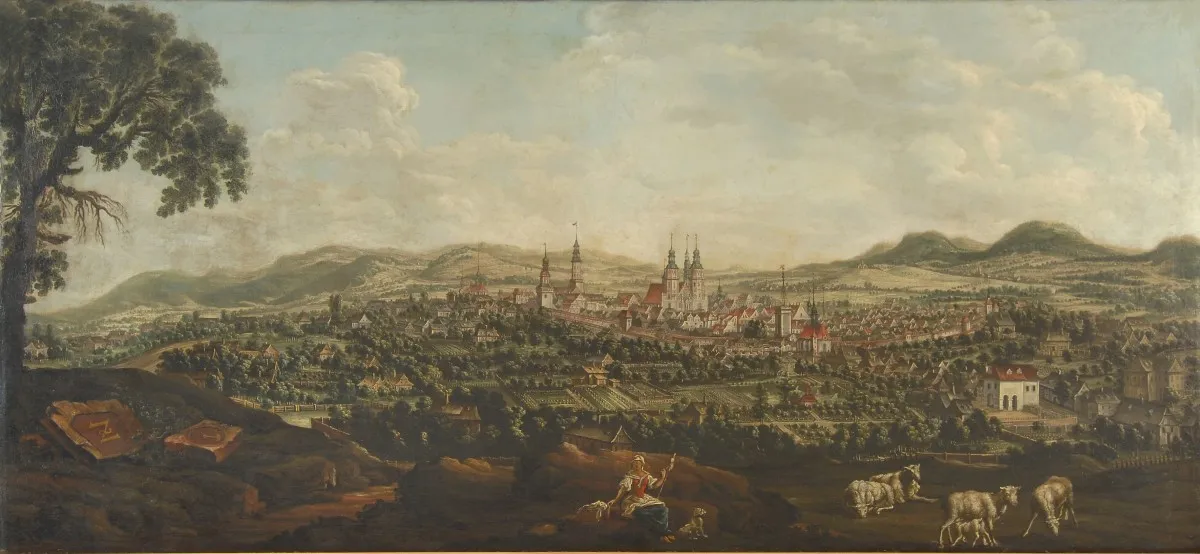
Filip Leubner’s work, rooted in the Czech High Baroque painting tradition, shows, much like the work of his contemporaries, a certain fluctuation in quality. Nevertheless, it contains charming details, dramatic gestures, and vibrant colors, which likely led important patrons from ecclesiastical and aristocratic circles to commission him, as a prominent artist primarily associated with the upper reaches of the Lusatian Neisse region. At the request of Johann Christian Swéerts-Sporck, he painted nine altarpieces for the monumental Servite church in Konojedy, where he worked alongside the workshop of Ignaz Platzer. Over the years, he was commissioned several times by the Clam-Gallas family and repeatedly served Abbess Anastasia Rösler of the Marienthal convent.

Filip Leubner, painter of altarpieces, portraitist, and gilder
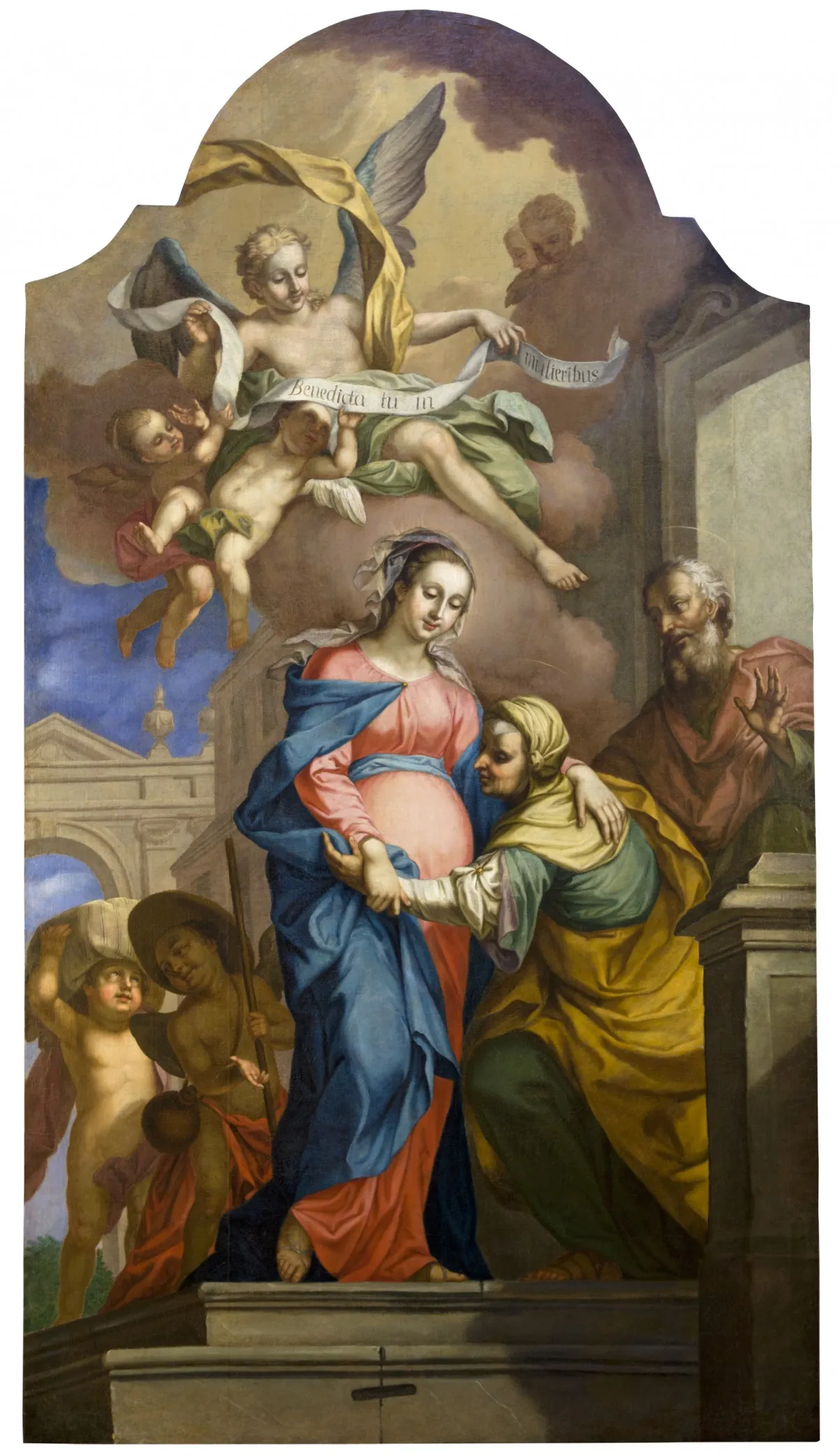
Altarpieces by Filip Leubner

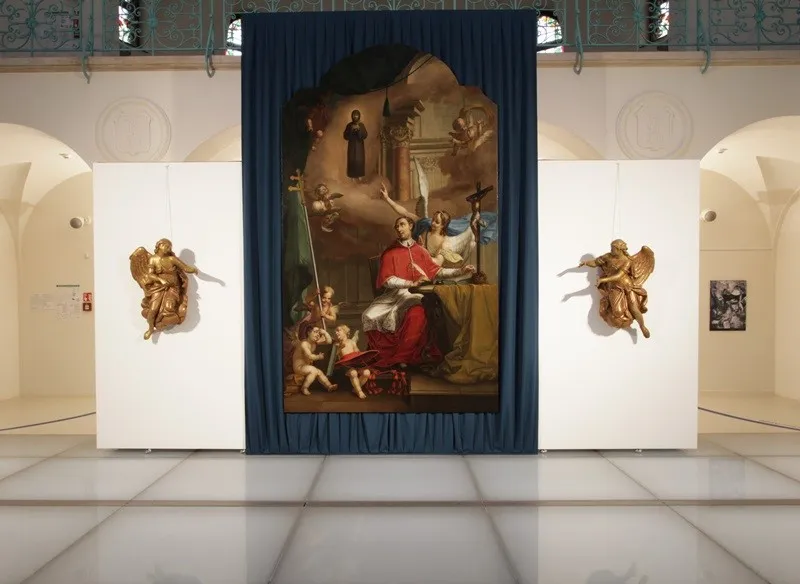
The aim of the exhibition, which is in fact the very first exhibition ever dedicated to this painter, is to help restore Late Baroque regional art to general awareness and to encourage a renewed appreciation of religious paintings and sculptures as works of art. By presenting successful restoration projects from recent years—made possible through the cooperation of state, church, and private entities in both the Czech Republic and Germany—the exhibition also hopes to contribute to greater protection of Late Baroque monuments and to stimulate interest in their restoration.

Among the undoubtedly fascinating exhibits will be loans from the Municipal Museums of Zittau, including sacred sculptures with documented provenance from Liberec, as well as paintings that reflect the cultural and scientific ambitions of Zittau’s wealthy merchant bourgeoisie and the city council. Visitors will surely be captivated by the newly restored altarpiece of St. Bonaventure, originally created for the church of the same name in Mladá Boleslav, measuring 375 x 220 cm.

The exhibition is organized by the Museum of Fine Arts Liberec in cooperation with the Municipal Museums of Zittau. Further exhibits have been loaned by the National Gallery in Prague, the Diocese of Litoměřice, and the North Bohemian Museum in Liberec.

Czech High Baroque Painting
Charming details, dramatic gestures, and vibrant colors

From the biography of Filip Leubner:

He was born in Liberec and was baptized on January 23, 1733, in the Church of St. Anthony the Great. He probably learned the painter’s craft from Anton Kaulfersch. After returning from his journeyman travels, he married and settled in a house on today’s Sokolovské Square. He died on May 13, 1803.

Filip Leubner was the most important painter in Liberec in the second half of the 18th century. He was invited to collaborate with major artistic figures of his time, including the sculptor workshops of Ignaz Platzer and Josef Jelínek. Towards the end of his life, he also devoted himself to portrait painting. The painter often added the name of his native Liberec to his signature. In existing Czech scholarly literature, he appears under the name Jan Filip Leubner, but the painter himself signed—except for rare exceptions when he used the name Johann (Iohannes)—only as Philipp (Philippus) Leubner.

His work is difficult to study, and it appears in state collections only in three cases (Museum of Fine Arts Liberec, Polabské Museum in Poděbrady, State Castle and Chateau Frýdlant). Many paintings are scattered across rural churches, mainly in northern and central Bohemia, but also in Germany and Poland. A significant portion of the works are in dramatically poor technical condition or irretrievably lost, such as the missing frescoes in the rooms of the new wing of the Liberec chateau, painted according to the designs of the French architect Louis Grenier in the 1770s. Filip Leubner’s paintings can be seen in situ in the following towns: Brandýs nad Labem, Działoszyn (PL), Liberec, Ostritz (DE), Rožďalovice, Smržovka, Svémyslice, Zápy, and others.

Works primarily associated with the region of the upper course of the Lusatian Neisse

Visit also

Čestmír Suška on Paper

Čestmír Suška on Paper

11/21/2026 – 5/9/2027

The exhibition Čestmír Suška on Paper offers the most comprehensive survey to date of a lesser-known yet remarkably significant aspect of the artist’s oeuvre. Through drawings, prints, sketches, journals and other works on paper created alongside his sculptural practice since the late 1970s, it reveals Suška’s creative process, his experimentation and his search for forms that would later develop into monumental sculptural works.

Małgorzata Mirga-Tas, Sráč Sam | Companion

Małgorzata Mirga-Tas, Sráč Sam | Companion

10/17/2026 – 3/28/2027

The exhibition presents a dialogue between two distinctive female artistic voices — Polish visual artist of Roma origin Małgorzata Mirga-Tas and Czech artist Sráč Sam. Both work with textiles as a medium of memory, identity, and female experience. While Małgorzata Mirga-Tas focuses on the Roma community and its visual and narrative representation, in the context of this exhibition Sráč Sam works with an architectural installation in which textiles appear only minimally, through the everyday carrier of meaning represented by sewn clothing. At the same time, the large-scale architectural structure demonstrates the interconnectedness of the individual elements of the overall composition, as well as the idea that having a place to rest and find support is a prerequisite for creating content and relationships.

Erwin Wurm | One Minute Forever

Erwin Wurm | One Minute Forever

10/17/2026 – 3/28/2027

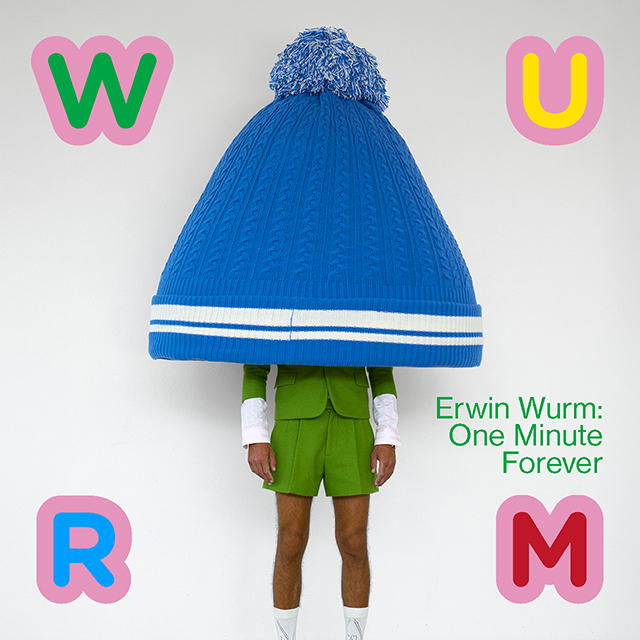
In line with its long-term development strategy, the Museum of Fine Arts Liberec will present one of the most significant contemporary artists from Central Europe, the Austrian sculptor and conceptual artist Erwin Wurm. His works have been exhibited at institutions such as the Albertina, Lenbachhaus, Galerie Thaddaeus Ropac and KÖNIG GALERIE. His artworks are included in the collections of the Solomon R. Guggenheim Museum, Walker Art Center, Museum Ludwig, Kunstmuseum St.Gallen, Musée d'art contemporain de Lyon, Museum Brandhorst, Centre Pompidou and many others. This exhibition will mark his very first solo presentation in the Czech Republic. With this project, the Liberec museum continues its programme of introducing major contemporary artists to Czech audiences, following exhibitions by Neo Rauch, Rosa Loy, Zsófia Keresztes and Koji Kakinuma.

Admission for educational programs
Knowledge Through Art

The mission of the education department's programs is to introduce students to the gallery environment, helping them overcome any hesitation about creating art and any initial apprehension about engaging with an unfamiliar space.

Program for Schools (60 / 90 min)

Show your pupils and students the true essence of art!

Art Workshop
Art Workshop

Become an artist for a moment with your children.

Visit us

Masarykova 723/14
Liberec 460 01
CZ

Opening hours

monday
tuesday
wednesday
thursday
friday
saturday
sunday
closed
10.00–18.00
10.00–18.00
10.00–19.00
10.00–19.00
10.00–18.00
10.00–18.00

Entrance fees

Standard admission
180 Kč
Reduced admission
100 Kč

Exhibition galleries are closed. The Design Shop and café remain open during regular opening hours.