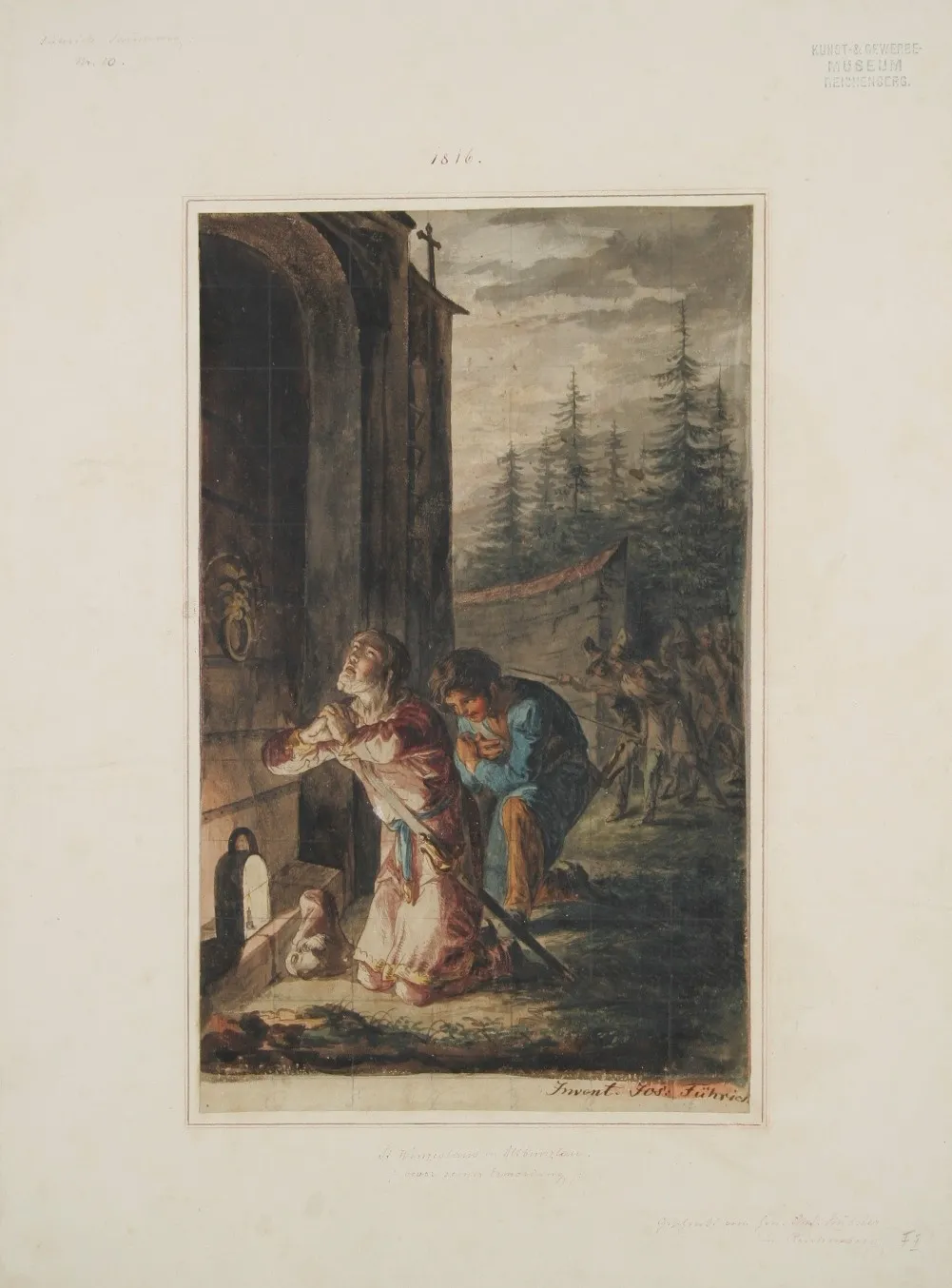
Josef Führich (1800–1876) | From Chrastava to Vienna

CuratorPavla Machalíková, Markéta Kroupová
Standard admission
180 Kč
Reduced admission
100 Kč
from 6/18/2014
to 9/14/2014
Painting with religious themes

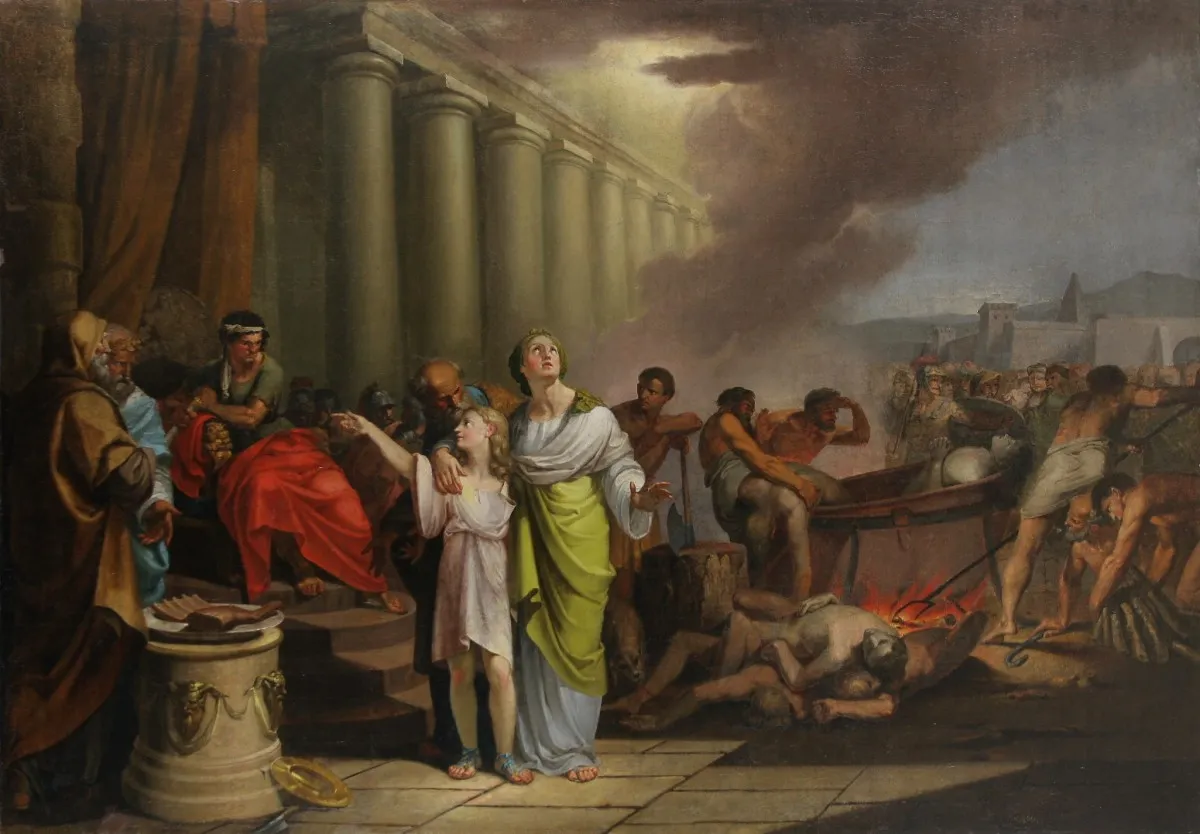
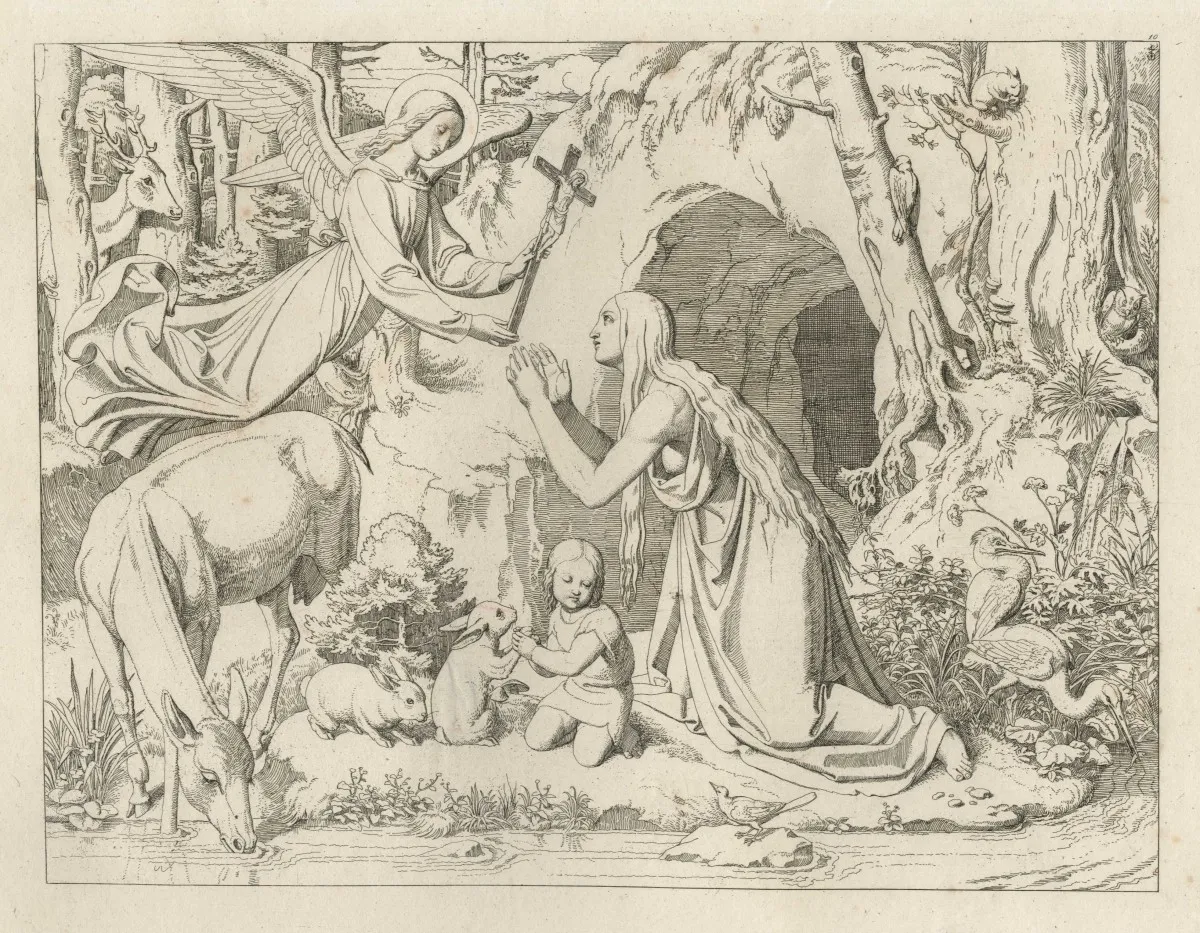
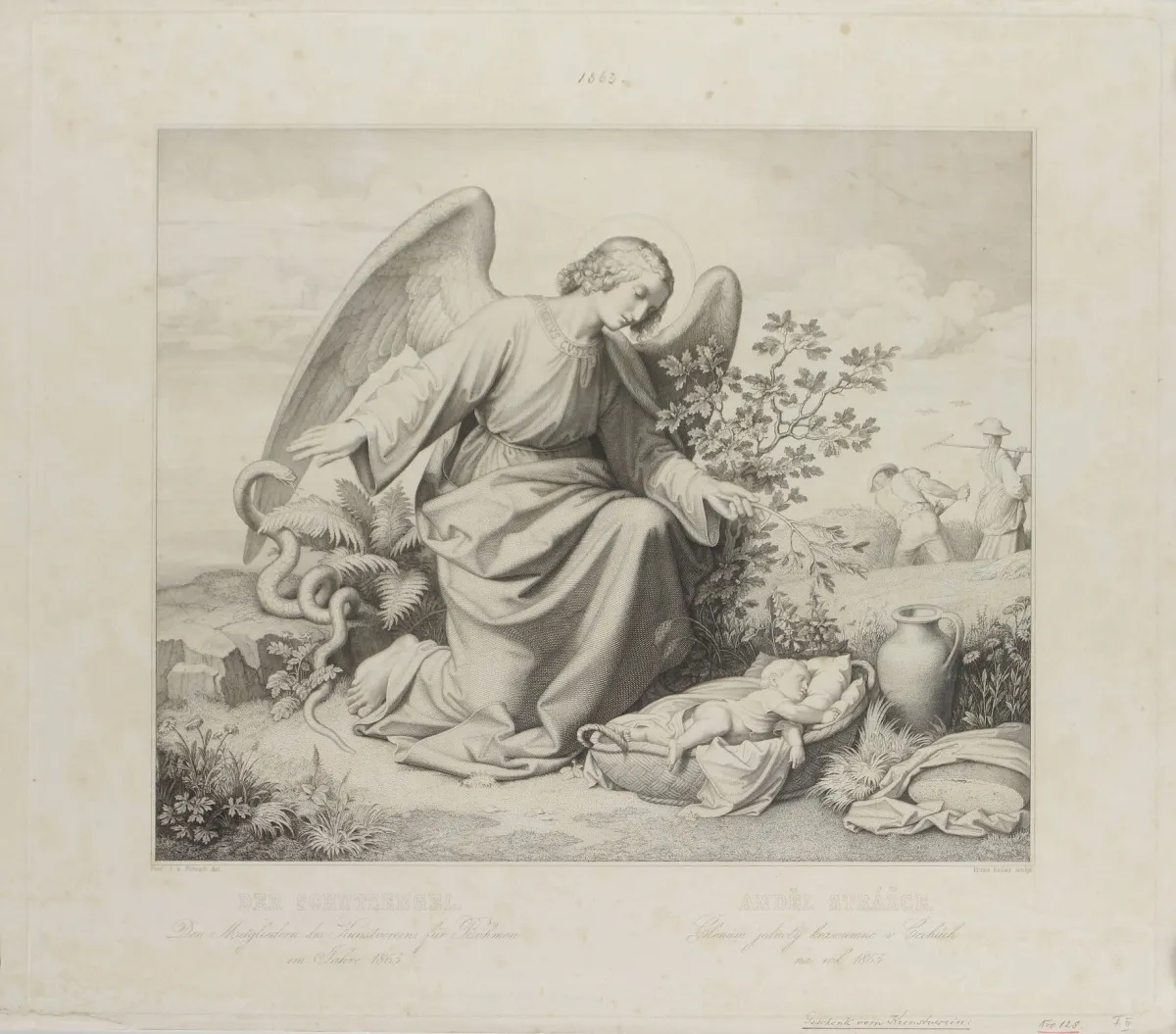
Josef Führich is one of the renowned artists of the 19th century, although due to historical circumstances he remained a somewhat forgotten painter of religious-themed works in his native Bohemia. In Austria, however, which became his second home, he enjoyed great fame and received many honors. He became a professor at the Academy of Fine Arts in Vienna and was even elevated to the nobility.

This exhibition, the very first monographic show of his work in the Czech Republic, introduces visitors to the life and artistic legacy of this master of religious and monumental painting.

Josef Führich was born in 1800 into the family of Wenzel Führich, a painter and craftsman, in Chrastava. Naturally, Josef took part in workshop activities and gained his first experience with pencil and brush there. At the age of seventeen, he left Chrastava to study in Prague, thanks to a recommendation from the nobility in Frýdlant.

At the Academy of Fine Arts, one important fact began to emerge: although Führich was regionally from Bohemia, as a German speaker he was classified among the Germans. Given the context of the 19th century—particularly the Czech National Revival—his linguistic identity eventually made him an undesirable painter.

After 1948, the religious content of his paintings, drawings, and prints became problematic again. And yet the only thing Führich ever truly cared about were the artistic and visual aspects of his work. He never concerned himself with questions of national or political affiliation.

Religious-monumental painting
Painting with religious themes

During his stay in Prague, he was active in radical Romantic circles that particularly admired Albrecht Dürer. This was followed by several years of involvement with the Nazarene circle in Rome. From 1829 to 1834, he worked again in Prague, after which he moved permanently to Vienna, where—except for a brief return to Bohemia during the revolutionary year of 1848—he spent the rest of his life and created his most significant works. Josef Führich died in 1876.

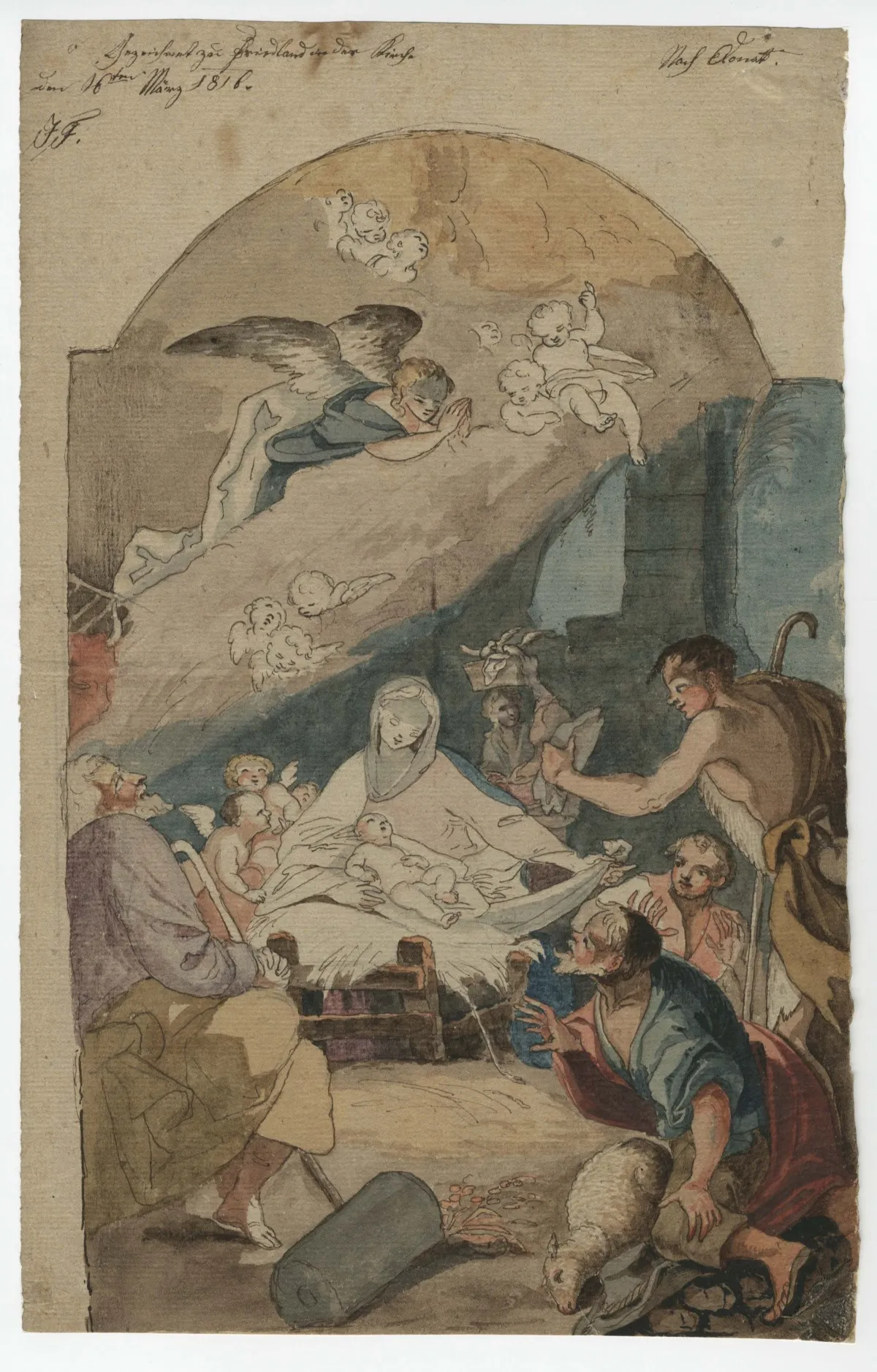
The exhibition emphasizes Führich’s early experience working in the semi-folk artisan workshop of his father. The Museum of Fine Arts Liberec holds a unique collection of drawings, designs, and studies by both Wenzel Führich and the young Josef. The topic of such workshop production at the turn of the 18th and 19th centuries, outside the main artistic center of Prague, has so far remained almost entirely overlooked by scholars.

Thanks to the preserved material and the interest and efforts of exhibition curator Pavla Machalíková from the Institute of Art History of the Czech Academy of Sciences, we are now able to glimpse into the operation of a small-town painting workshop.

The exhibition also focuses on Führich’s relationship to his native region and his deep roots in local religious tradition. His religious commitment later found expression in Rome, where he became a member of the Nazarene circle — a group that admired Italian Renaissance painting with its spiritual themes. This did not contradict his radical Romantic perspective, in which he looked up to the medieval master Albrecht Dürer and his contemporary Caspar David Friedrich.


Religious-monumental painting

An important aspect of his work is also his relationship to literature and printmaking as a medium for reproducing and disseminating artworks and artistic models. It is no surprise that his works can be found in renowned galleries such as the Albertina and the Belvedere in Vienna, where Führich's paintings are presented to the public as treasures of Austrian art.

The exhibition pays tribute to this renowned painter, a native of the Liberec region.

Image credits: Museum of Fine Arts Liberec, Moravian Gallery in Brno, National Gallery in Prague Organizers: Museum of Fine Arts Liberec and National Gallery in Prague Partners: Institute of Art History of the Czech Academy of Sciences, City of Chrastava, Diocese of Litoměřice, Austrian Cultural Forum

Visit also

Women’s World

Women’s World

4/23/2027 – 10/10/2027

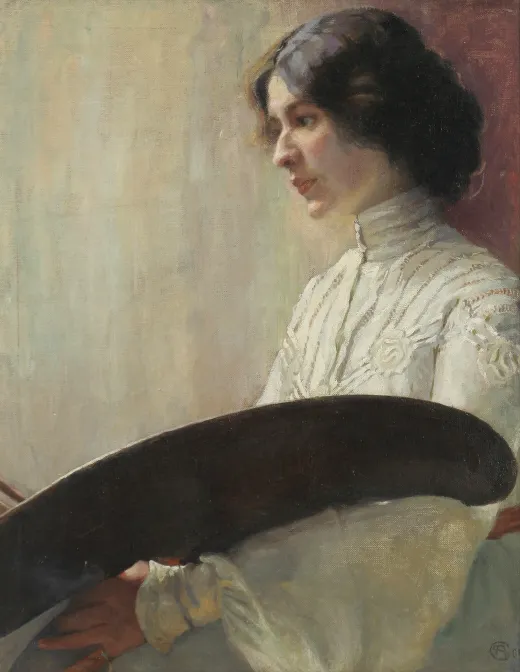
The exhibition Women’s World explores the changing status and perception of women artists from the early 19th century to 1911. Rather than attempting to provide a comprehensive overview of art created by women, it focuses on how women’s work was interpreted by contemporary critics and the wider public, and how their opportunities were shaped by prevailing social ideas about women’s roles. Through selected artists and their works, the exhibition traces the journey from viewing artistic practice as a pastime and a cultivated way of spending leisure time to the gradual recognition of women as professional artists. Particular attention is paid to the contemporary press, which not only reflected these attitudes but also helped shape them. The exhibition captures the tension between persistent stereotypes and attempts to transcend them, showing how women’s place in the art world evolved over time.

Junior + Senior annual entry fee
We make culture more accessible!

Whether you're a young art enthusiast or a seasoned culture lover, you can get an annual pass at a discounted price.

Single (15 – 26 years)

Explore the latest art trends with us all year long – we understand the young generation.

Single (65+)
Single (65+)

More accessible to seniors – enjoy art at a discounted price all year round.

Visit us

Masarykova 723/14
Liberec 460 01
CZ

Opening hours

monday
tuesday
wednesday
thursday
friday
saturday
sunday
closed
10.00–18.00
10.00–18.00
10.00–19.00
10.00–19.00
10.00–18.00
10.00–18.00

Entrance fees

Standard admission
180 Kč
Reduced admission
100 Kč

Exhibition galleries are closed. The Design Shop and café remain open during regular opening hours.