Julius Mařák | Viennese Successes

CuratorJan Randáček
Standard admission
180 Kč
Reduced admission
100 Kč
from 10/6/2016
to 1/18/2017
Viennese Successes

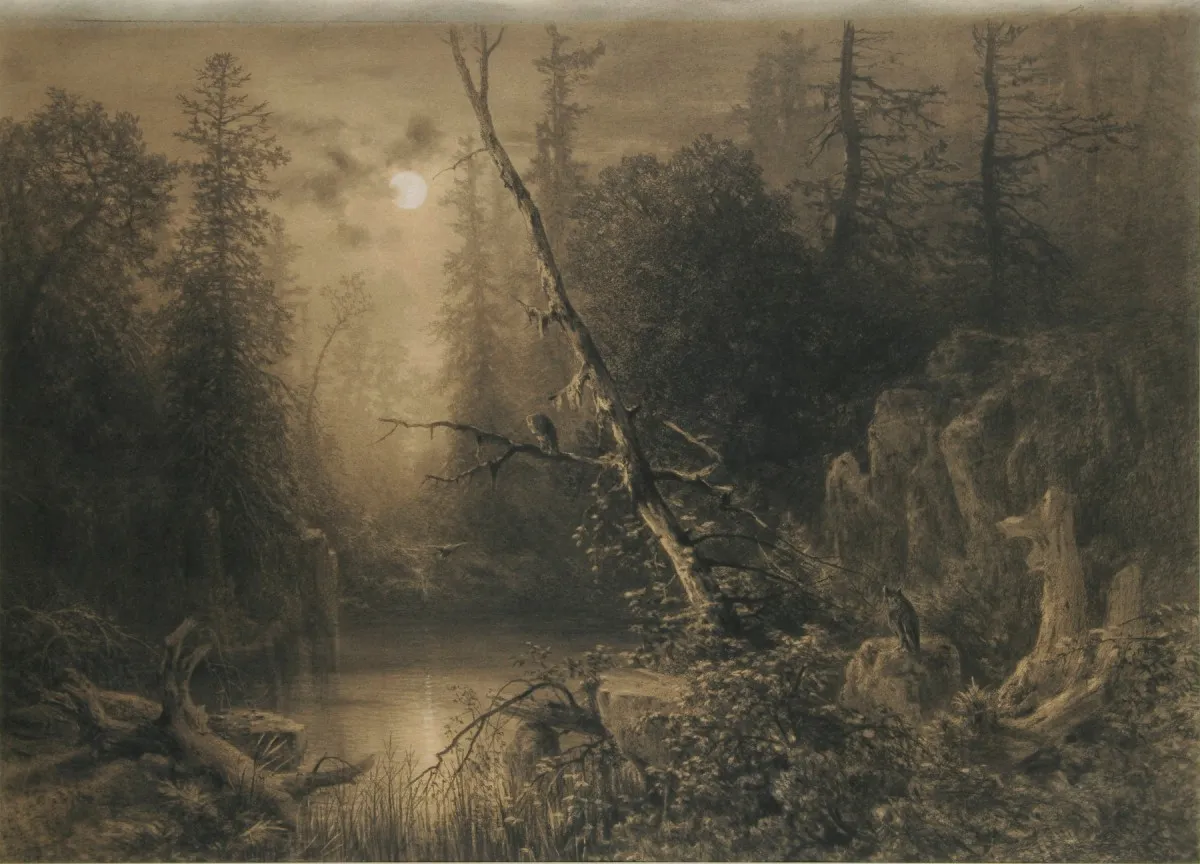
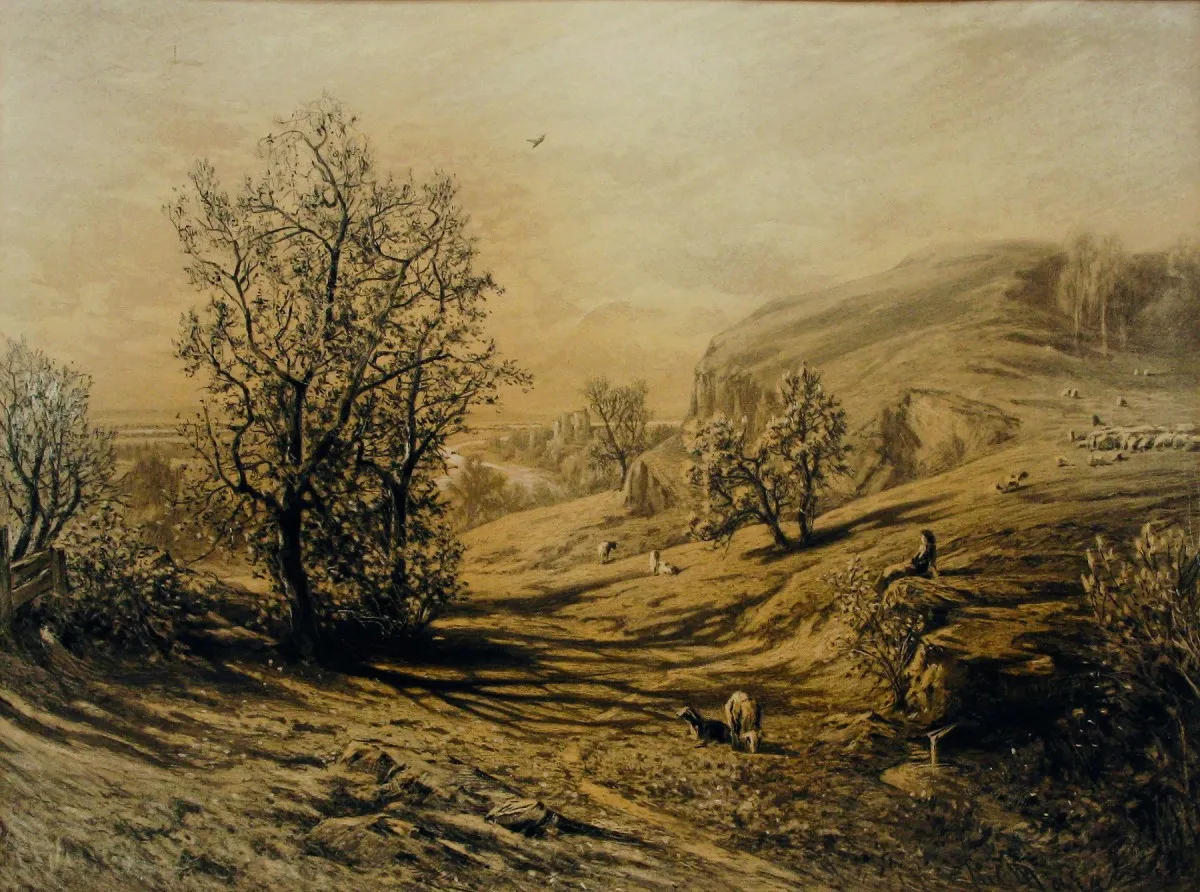
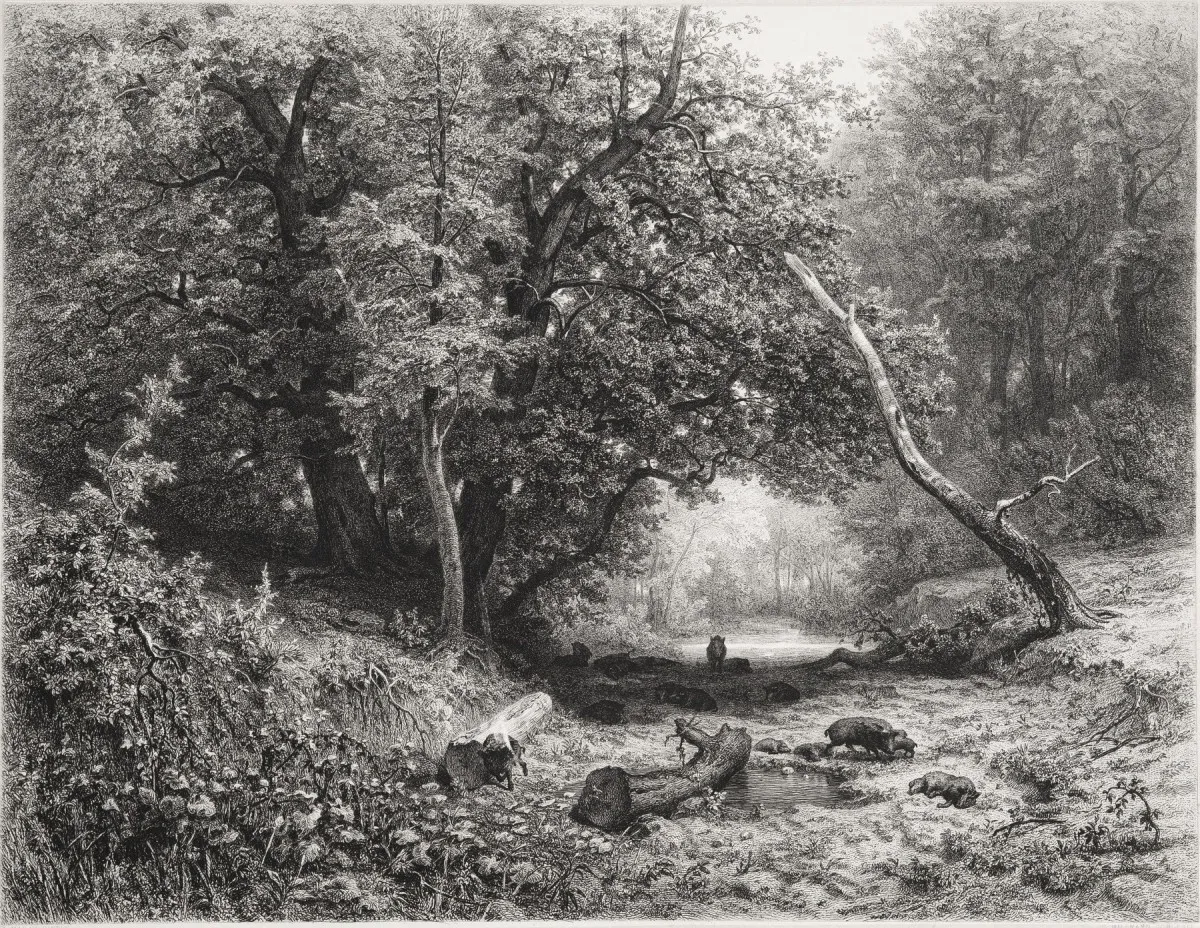
150 years ago, Julius Mařák achieved his first major success on the Viennese art scene. The response to his charcoal drawing Congress under the Elms marked a turning point in the life of the then thirty-four-year-old artist and brought about a series of exceptional works and commissions in the following years, which are now considered some of the most important of his career. The exhibition reflects on the most significant moments of Mařák’s more than quarter-century stay in Vienna and presents many of his works in their entirety for the very first time.

The exhibition focuses on a part of Julius Mařák’s work (Litomyšl 1832 – 1899 Prague) that has so far been treated only very superficially. In the Czech context, Mařák is considered one of the most important figures in landscape painting – both as an artist and as a professor at the Prague Academy, where he was appointed from Vienna in 1887. Nevertheless, his work still cannot be regarded as thoroughly researched. Mařák’s connection with Vienna highlights an important aspect of his life and work – the fact that an artist once well known in Vienna is today completely forgotten there, and that even current Czech art history has largely limited itself to knowledge of his works held in Czech public and private collections.

A Look Back at the Most Significant Moments of Julius Mařák
A Retrospective of the Most Significant Moments of Julius Mařák

Julius Mařák was born at a time when Vienna, as the capital of the Habsburg Empire and its natural cultural centre, attracted artists seeking both artistic and social recognition. Mařák also moved to Vienna in 1860 to begin building his artistic career. Long periods of unfavourable living conditions alternated with extraordinary artistic successes, which Mařák, due to his nature, was unable to turn into greater commercial gain. Historical sources show that even after moving to Prague, Mařák had many admirers in Austria who purchased his works or commissioned them. It can therefore be assumed that Austrian public collections contain not only works created during his stay in Vienna, but also those sent from Prague.

Mařák's life and work can by no means be considered thoroughly studied and analyzed, as evidenced by the concept of this exhibition, which is based on preliminary research. This exhibition should serve as another important step toward understanding the life and work of Julius Mařák, rather than simply repeating and displaying already well-known pieces. An exhibition conceived in this way has not yet been realized in the Czech environment. A partial attempt was made by Jitka Boučková during the preparation of the catalogue for Mařák’s exhibition at the East Bohemian Gallery in Pardubice in 1981, where at least we learn that some Viennese institutions responded negatively to inquiries about the presence of specific works by Mařák in their inventories. The retrospective exhibition of Mařák held by the National Gallery fifteen years ago – possibly influenced by older literature – completely gave up on borrowing works from foreign, including Austrian, collections.

The year 2016, when the exhibition is planned, was not chosen randomly. In 1866, Mařák presented the charcoal drawing Congress under the Elms at a Viennese art exhibition, marking his first major success. Commemorating this important moment in his artistic career with a representative exhibition is therefore undoubtedly worthwhile.

The aim of the exhibition is not only to present otherwise inaccessible works to the public but also to provide as much information as possible about Mařák and his oeuvre. For this reason, the exhibition will include numerous informative captions for individual works, larger text panels, and logically arranged sections that place the borrowed works into deeper contexts of Mařák’s life and artistic development.

Visit also

Women’s World

Women’s World

4/23/2027 – 10/10/2027

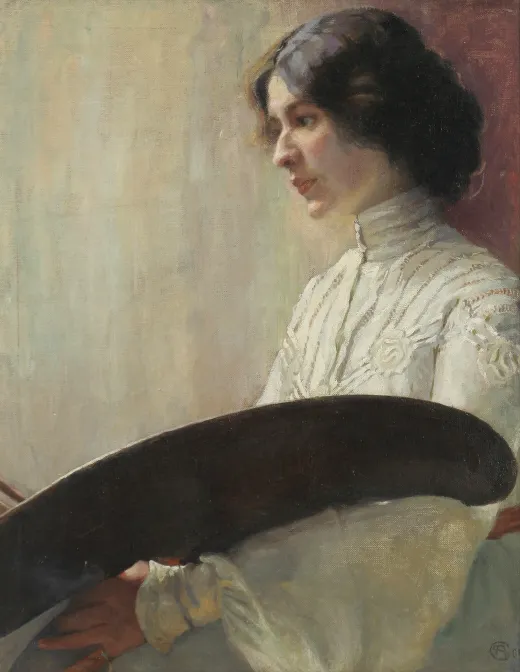
The exhibition Women’s World explores the changing status and perception of women artists from the early 19th century to 1911. Rather than attempting to provide a comprehensive overview of art created by women, it focuses on how women’s work was interpreted by contemporary critics and the wider public, and how their opportunities were shaped by prevailing social ideas about women’s roles. Through selected artists and their works, the exhibition traces the journey from viewing artistic practice as a pastime and a cultivated way of spending leisure time to the gradual recognition of women as professional artists. Particular attention is paid to the contemporary press, which not only reflected these attitudes but also helped shape them. The exhibition captures the tension between persistent stereotypes and attempts to transcend them, showing how women’s place in the art world evolved over time.

Admission for educational programs
Knowledge Through Art

The mission of the education department's programs is to introduce students to the gallery environment, helping them overcome any hesitation about creating art and any initial apprehension about engaging with an unfamiliar space.

Program for Schools (60 / 90 min)

Show your pupils and students the true essence of art!

Art Workshop
Art Workshop

Become an artist for a moment with your children.

Visit us

Masarykova 723/14
Liberec 460 01
CZ

Opening hours

monday
tuesday
wednesday
thursday
friday
saturday
sunday
closed
10.00–18.00
10.00–18.00
10.00–19.00
10.00–19.00
10.00–18.00
10.00–18.00

Entrance fees

Standard admission
180 Kč
Reduced admission
100 Kč

Exhibition galleries are closed. The Design Shop and café remain open during regular opening hours.