Max Švabinský – About the Landscape | Natural Motifs in Graphic Works

CuratorMarkéta Kroupová
Standard admission
180 Kč
Reduced admission
100 Kč
from 10/2/2008
to 11/23/2008
Max Švabinský – About the Landscape

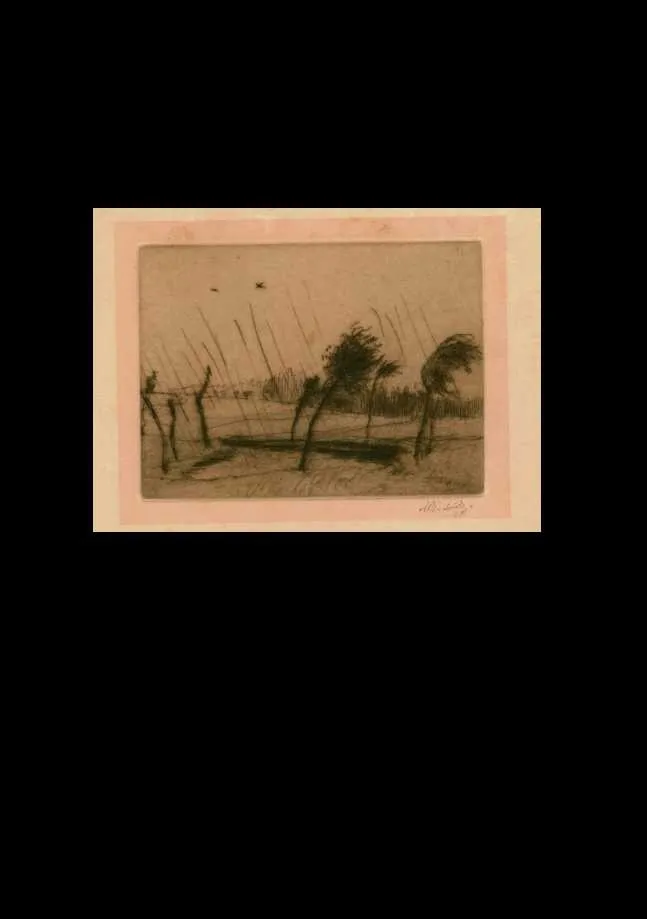
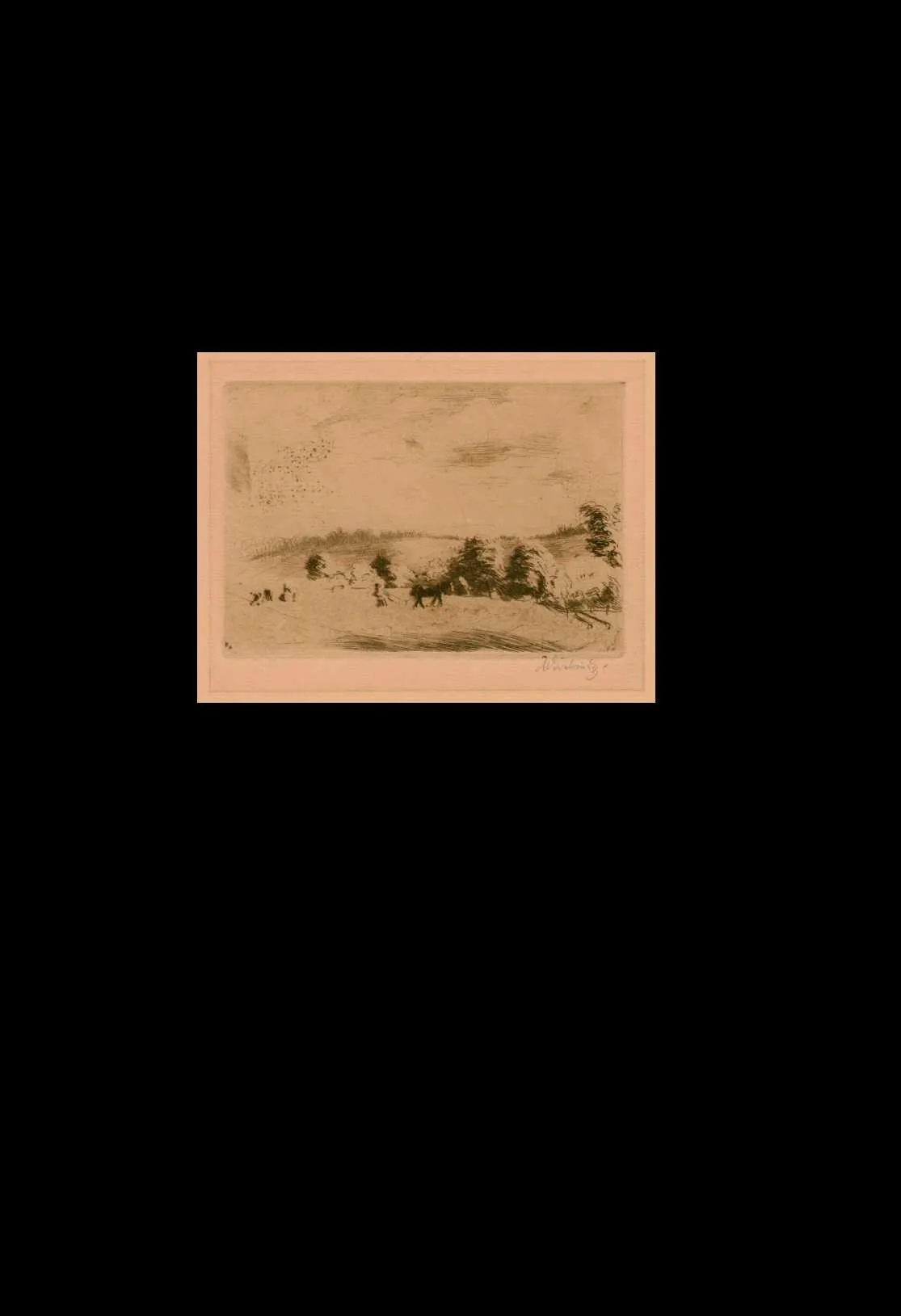
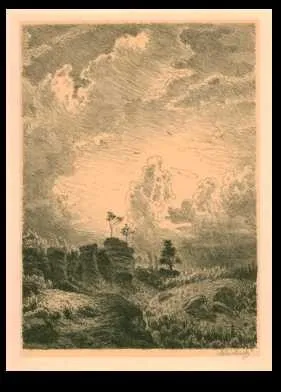
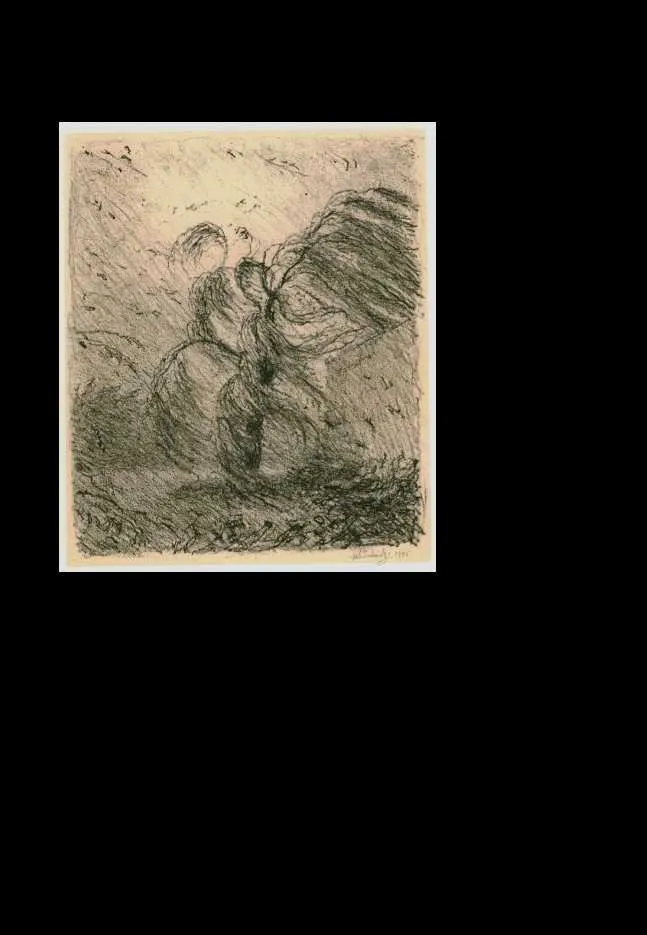
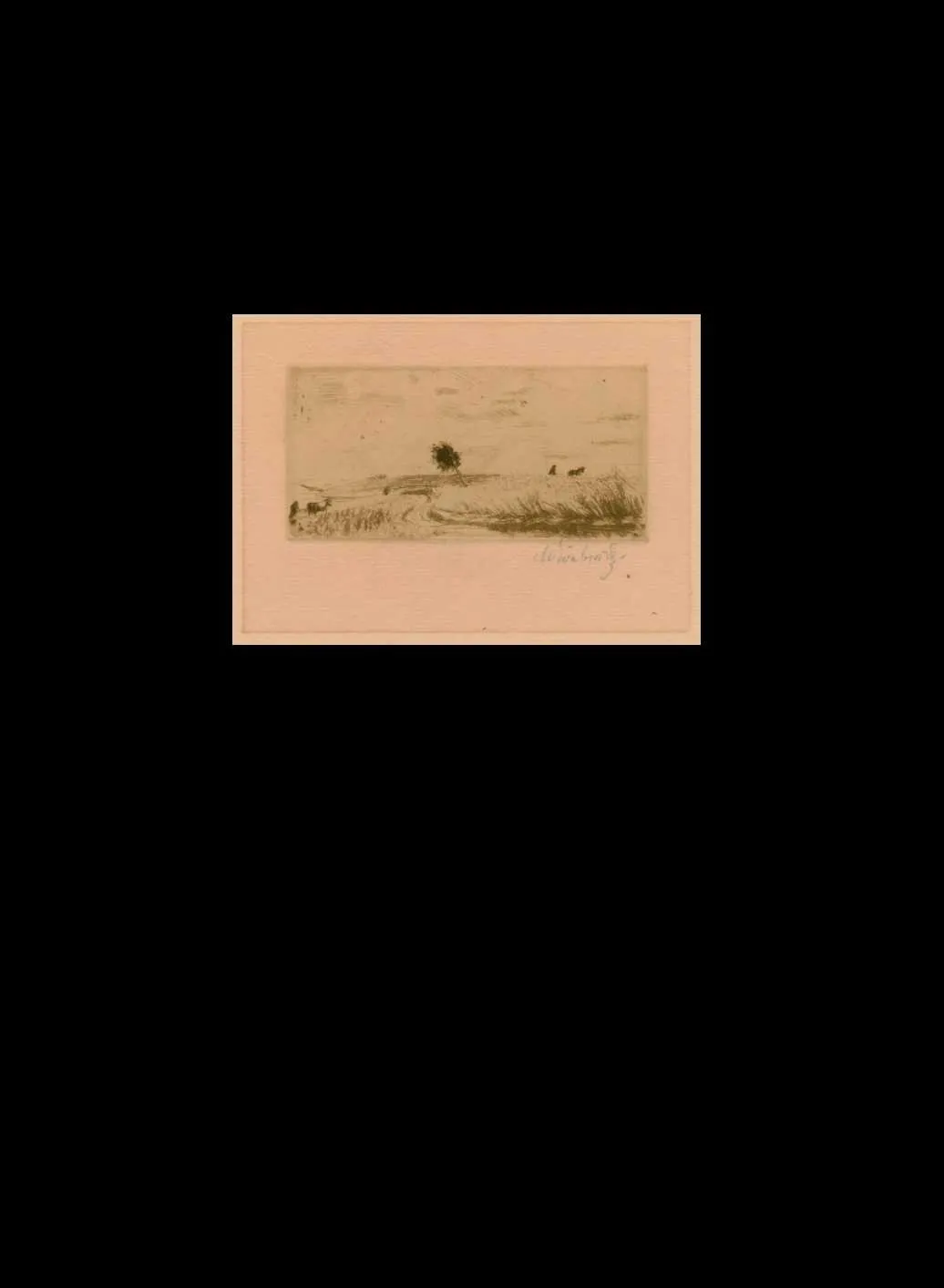
Max Švabinský perceived the beauties of nature very intensely throughout his life and liked to be inspired by them. Spending time in nature provided him lifelong joy and relaxation, which is why he gladly depicted his impressions in paintings, drawings, and graphics. Max Švabinský used various graphic techniques for his artistic expression. At the beginning, these were mainly etching and the demanding mezzotint, but later he preferred printing from a flat surface, lithography. With this technique, which at first glance resembles drawing with a soft pencil, he created a whole series of works that belong among his finest – not only landscape – graphic pieces.

Max Švabinský (1873–1962) is among the artists who have left an indelible mark on the history of Czech fine art. He is one of the key figures who influenced the cultural scene from the turn of the 19th and 20th centuries until the 1950s, when he was among the distinguished artists honored with official awards. The Regional Gallery in Liberec manages an almost complete collection of Švabinský’s graphic works, which was publicly presented as a large whole shortly after its acquisition in 1972. Since then, individual graphic sheets have been exhibited within various thematic exhibitions. The gallery decided, on the occasion of the approaching fiftieth anniversary of the artist’s death, to commemorate his rich oeuvre through two consecutive exhibitions of graphic prints from its collection. The first was a summer exhibition of works on the theme of the figure, followed by this exhibition presenting Max Švabinský as a graphic artist – landscape painter.

Natural motifs in graphic works from the collection of the Regional Gallery in Liberec
Planographic printing and lithography

Max Švabinský, in his first “graphic” period at the turn of the 19th and 20th centuries, drew intense inspiration from nature experiences in the Vysočina region. From 1895, he traveled with the Vejrych family, into which he later married, to the village of Kozlov. Around the farm where they stayed, he found many stimuli that repeatedly appeared in his works. Vysočina was a source of inspiration for him until 1919, when he stopped visiting Kozlov. From 1913 come many small etchings from travels across the Czech lands. Forty intimate views of summer landscapes and field work were later published collectively by Jan Štenc under the title Summer. From the mid-1910s, exotic paradises and mythical images set in wild forest scenes began to appear not only in Švabinský’s graphic works.

He often returned to views of landscapes filled with exotic animals and natives, finding in them a possibility of escape into a happier, more relaxed world. Nature thus became for him a stage for sensual fantasies and allegorical scenes. At the turn of the 1920s and 1930s, he returned to intensive graphic work, in which natural motifs once again frequently found their place. From 1931 until the separation of Slovakia in 1939, he regularly visited a summer residence in Pohorelá Maša in the foothills of the Low Tatras, where the state offered him the opportunity to stay. Many works celebrating the surrounding landscape, the Tatra peaks, and the Muránska plateau were created from these Slovak journeys.

Impressions Full of Natural Poetry
Miniature graphics capture snapshots

Since 1942, after the death of his wife Anna, Max Švabinský spent a lot of time with the Havlíček family friends in Chodov near Prague. In their spacious garden, full of diverse natural corners, the artist spent his free moments amidst the demanding work on stained glass windows for St. Vitus Cathedral in Prague. Graphic art was his form of relaxation. In these years, when he was already tired from advancing age and lifelong continuous work, he still created a number of beautiful small prints, full of lyrical moments inspired by the charms of the Chodov garden. The miniature graphics capture snapshots — impressions full of natural poetry.

Visit also

Women’s World

Women’s World

4/23/2027 – 10/10/2027

The exhibition Women’s World explores the changing status and perception of women artists from the early 19th century to 1911. Rather than attempting to provide a comprehensive overview of art created by women, it focuses on how women’s work was interpreted by contemporary critics and the wider public, and how their opportunities were shaped by prevailing social ideas about women’s roles. Through selected artists and their works, the exhibition traces the journey from viewing artistic practice as a pastime and a cultivated way of spending leisure time to the gradual recognition of women as professional artists. Particular attention is paid to the contemporary press, which not only reflected these attitudes but also helped shape them. The exhibition captures the tension between persistent stereotypes and attempts to transcend them, showing how women’s place in the art world evolved over time.

Basic + discounted entry fee
Art Within Reach

Discover a world of inspiration and creativity with a one-time entry to our museum. Explore exhibitions that will captivate your senses and awaken your imagination. Let yourself be carried away by the wave of art with us.

Standard admission
Standard admission

One-time admission for all over 26 years old.

Reduced admission
Reduced admission

Admission for youth aged 15–26 and seniors over 65.

Visit us

Masarykova 723/14
Liberec 460 01
CZ

Opening hours

monday
tuesday
wednesday
thursday
friday
saturday
sunday
closed
10.00–18.00
10.00–18.00
10.00–19.00
10.00–19.00
10.00–18.00
10.00–18.00

Entrance fees

Standard admission
180 Kč
Reduced admission
100 Kč

Exhibition galleries are closed. The Design Shop and café remain open during regular opening hours.