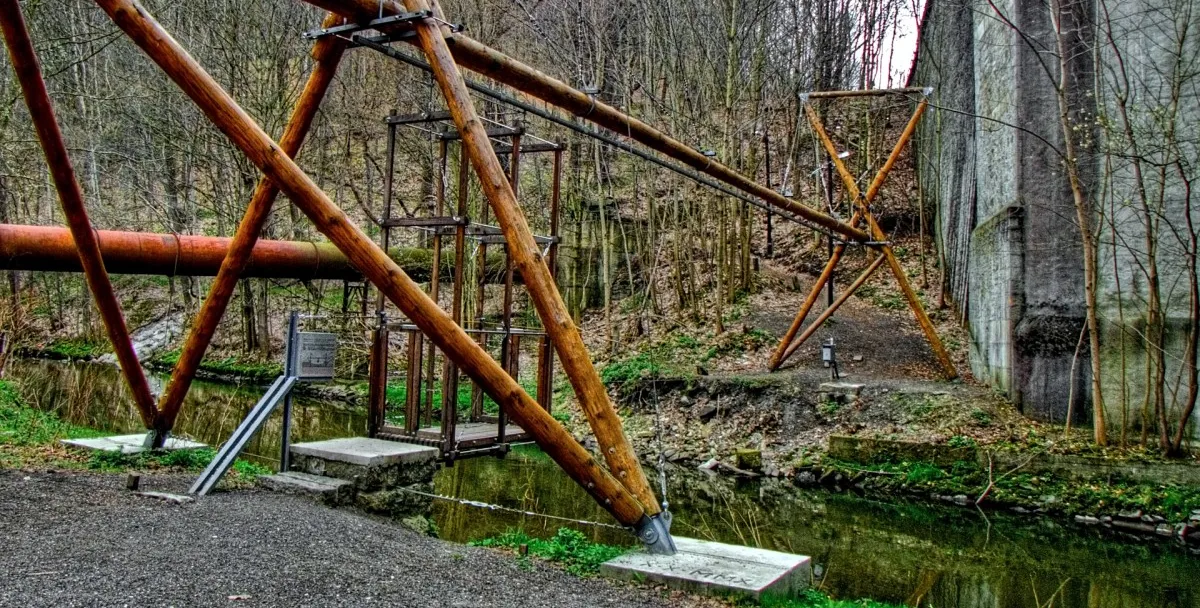
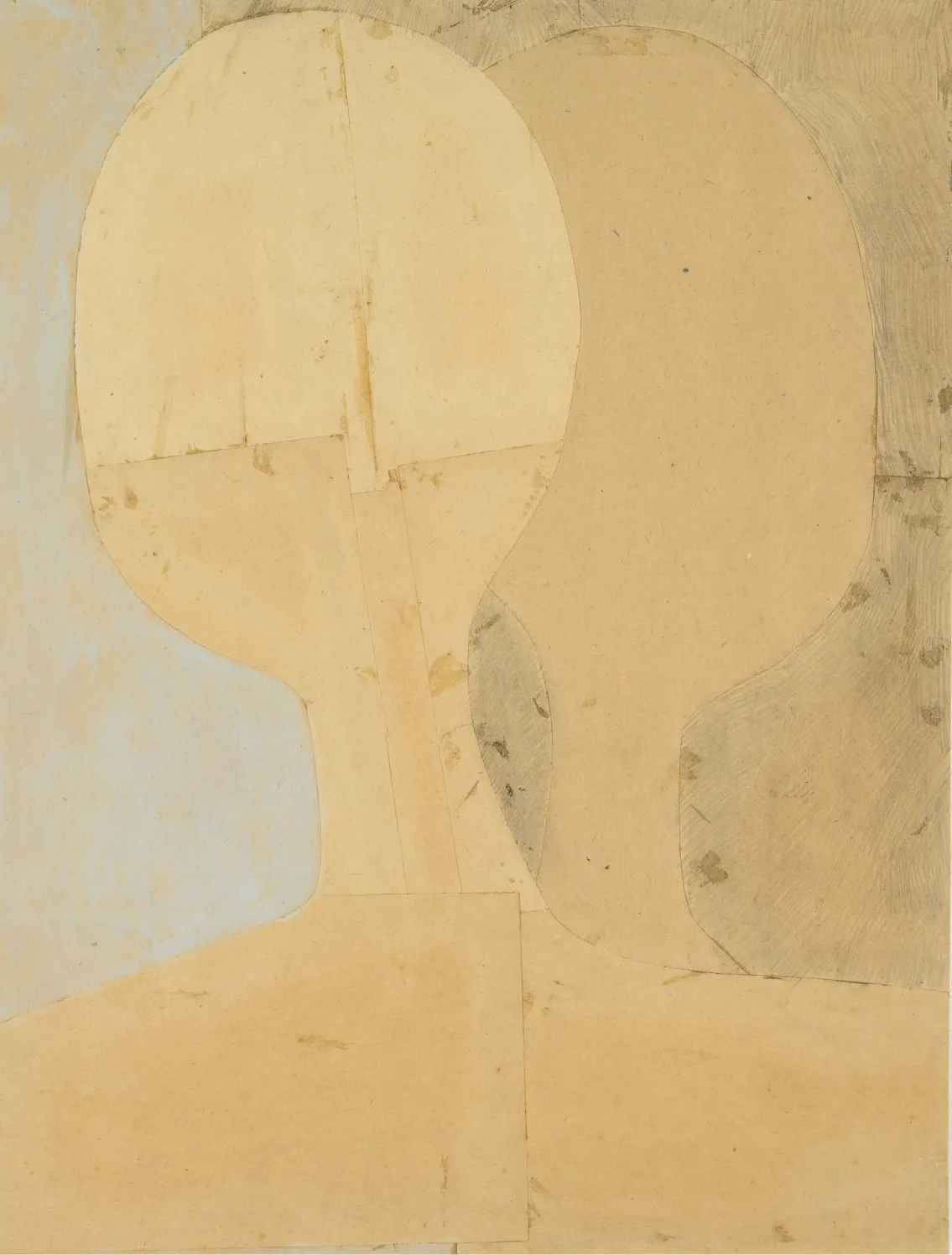
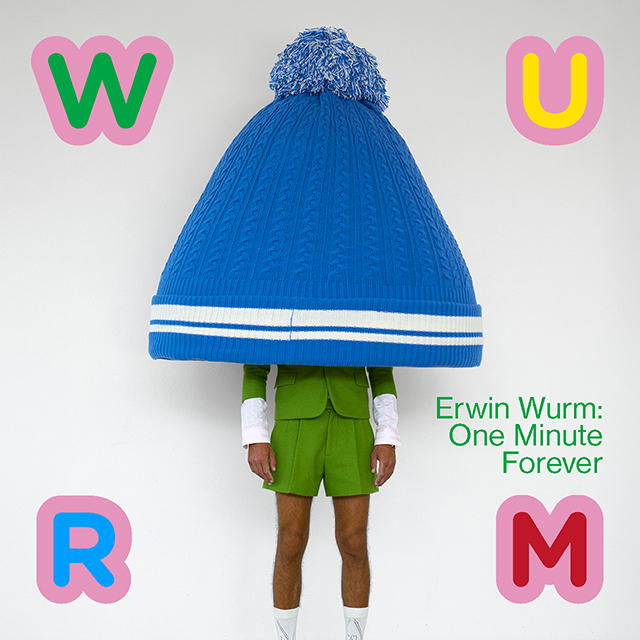
Punk is mainly associated with music and lifestyle and is defined by many adjectives and traits, the common point of which is provocation. The exhibition presents works by Czech architects that provoke their surroundings. So, are they punk?
Punk contains a paradoxical combination of creative and destructive forces, and we decided to use this for the exhibition as well. Literally, punk cannot exist in architecture, because it is primarily a destructive and anti-system approach. This is also confirmed by the answers of the personalities we consulted. It is a red thread that more or less surfaces in their expressed reflections. On the other hand, the background of the exhibition clearly aims to stay with architecture—what the famous architectural historian Nikolaus Pevsner figuratively named at the very beginning of his important book on the history of European architecture: “A bicycle shed is a building; Lincoln Cathedral is architecture.”
We approached punk in architecture very loosely; we do not aim for an art-historical definition of the term. Nor do we seek to change the established narrative of architectural history in any way. Essentially, we have softened the term “punk” and turned it into a kind of lens through which we look at contemporary architecture and historical buildings. Thanks to this punk perspective, architects from different periods have come together before us, whose attitudes, compared to mainstream architectural creation, are ironic, anti-normative, utopian—but always distinctive and still inspiring in many ways.
The recipe for dealing with this heterogeneous, ahistorical mixture is simple: it is a projection of the content of the metaphor of architectural jargon “he did it punk-style” into history. We are fully aware that none of the listed authors would call themselves punks and that creating such artificial groupings is not methodologically correct. However, it is a very good way to underline the meaning of the exhibition and bring excellent architects into discussion through their works, regardless of the period in which they actively created.
We can therefore confidently apply “he did it punk-style” both to Michelangelo’s tectonic columns in the vestibule of the Laurentian Library (Biblioteca Medicea Laurenziana) in Florence, to Borromini’s dynamic space in the church of San Carlo alle Quattro Fontane in Rome, or the bold expression of cast iron in the reading room of the Bibliothèque Nationale by Henri Labrouste in Paris. There are even more examples from the last century, and to confirm the openness of the chosen approach, we did not hesitate to include works by artists provocatively working with architecture or its elements. On the other hand, there are artistic actions by architects, such as the burning wing by Coop Himmelb(l)au. The core of the exhibition is a selection of several such “different” architects on the current Czech architectural scene. However, we do not aim for a post-manifesto, and the chosen names do not form a closed group. It is therefore irrelevant whether the final work looks “punk” or was “done punk-style.” Whether it is provocative in appearance, concept, or both.
An integral part is the fact that the selection of architects does not claim to be complete—the opposite is true. We offer a rich and tempting menu for personal reflection—visitors are invited to add or remove items as they wish.