Rasterized | Screen Prints of the FAMU Department of Photography

CuratorEva Bendová a Jan Měřička
from 11/21/2026
to 3/7/2027

Since 2010, the FAMU Department of Photography has had a printmaking workshop, the aim of which is to develop the screen printing technique as a creative method of transforming photography. The workshop, led by Jan Měřička, is conceived as a creative environment on the border between photography and free graphic creation.

It is based on the assumption that screen printing as a method of reproducing photography is losing its relevance today and therefore it is necessary to find ways to work creatively with the crossover between these media. As part of the technical process of creating a work, the halftones of the photograph must be converted into a system of dots or lines – rasterization – which is visible and becomes part of the perception of the resulting artifact.

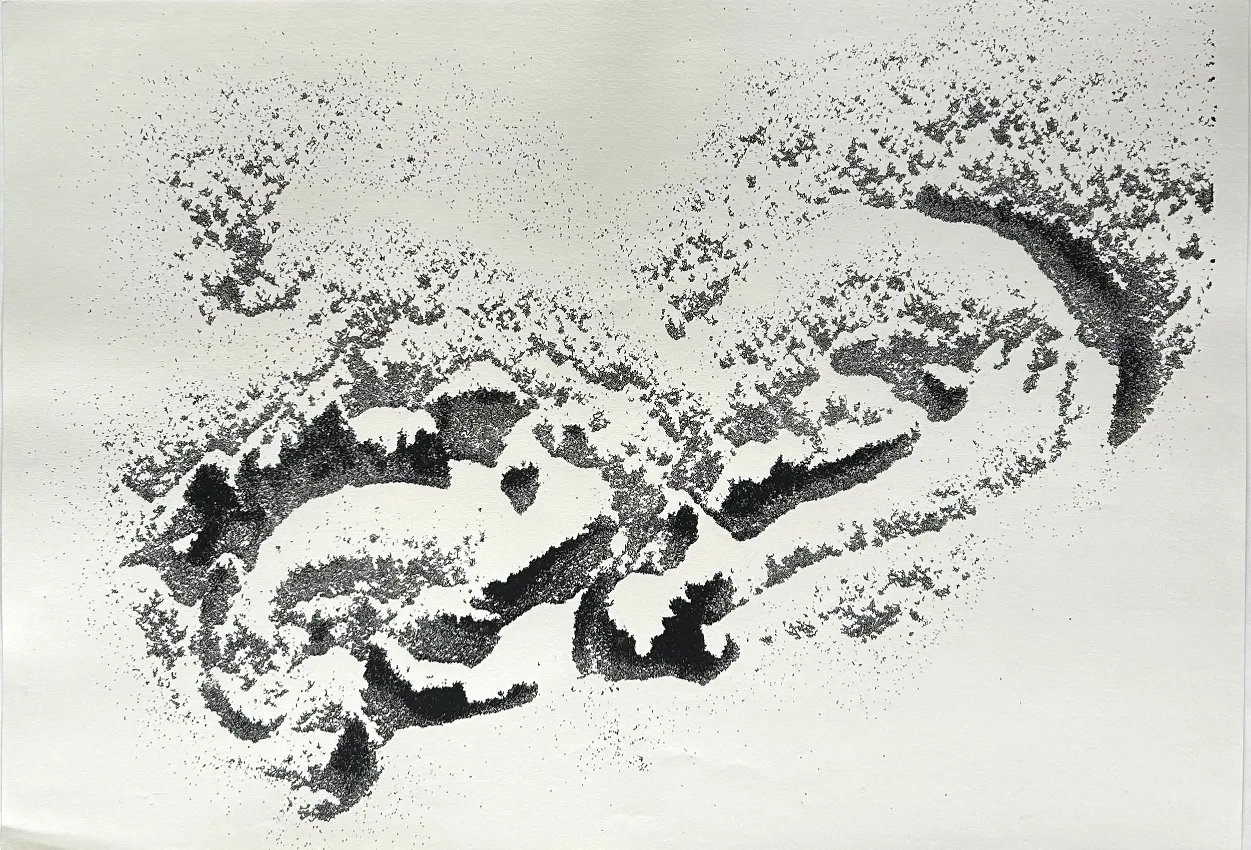
Max Vajt, Poppy Seeds, 2019
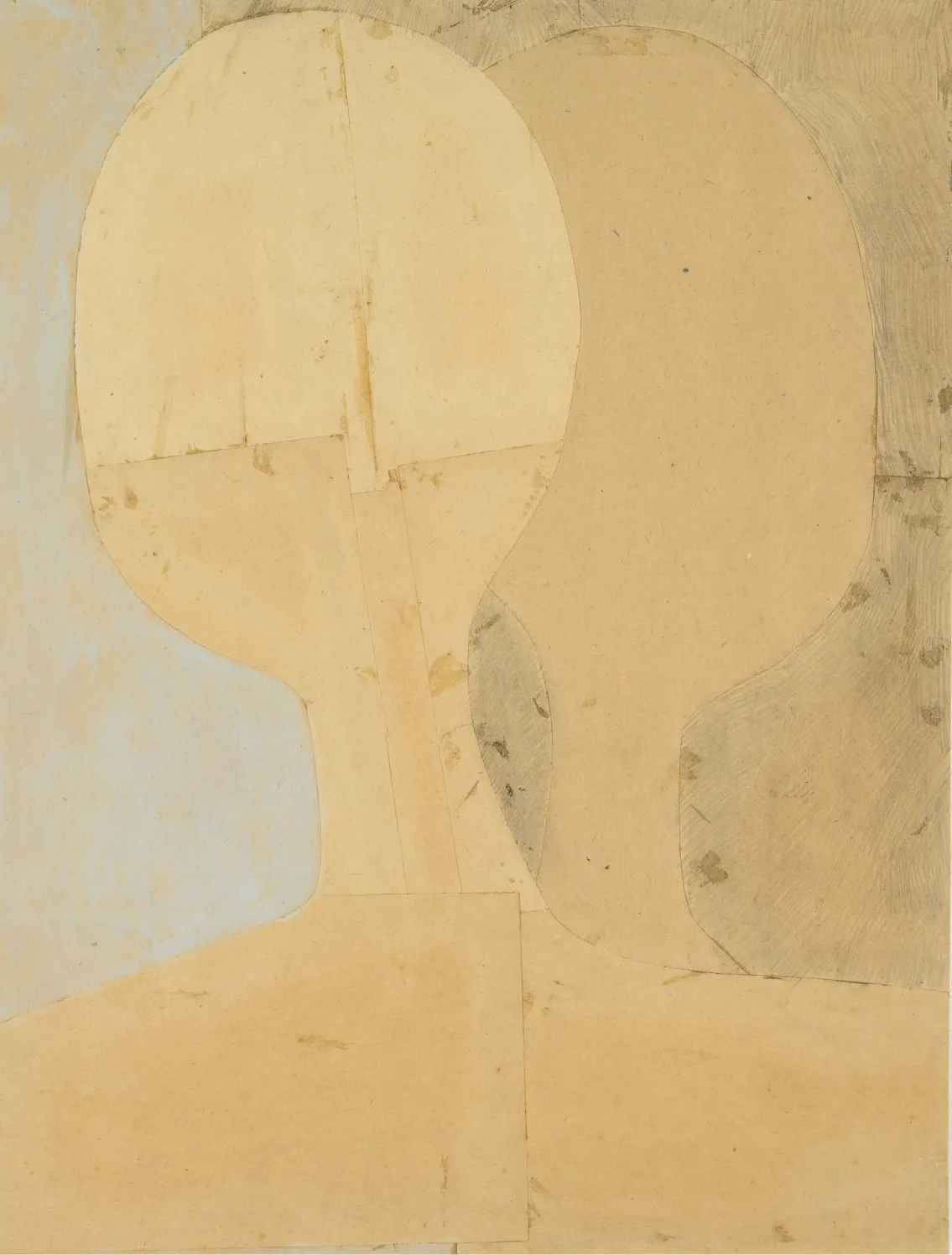
Lali Laytadze, Untitled, 2015

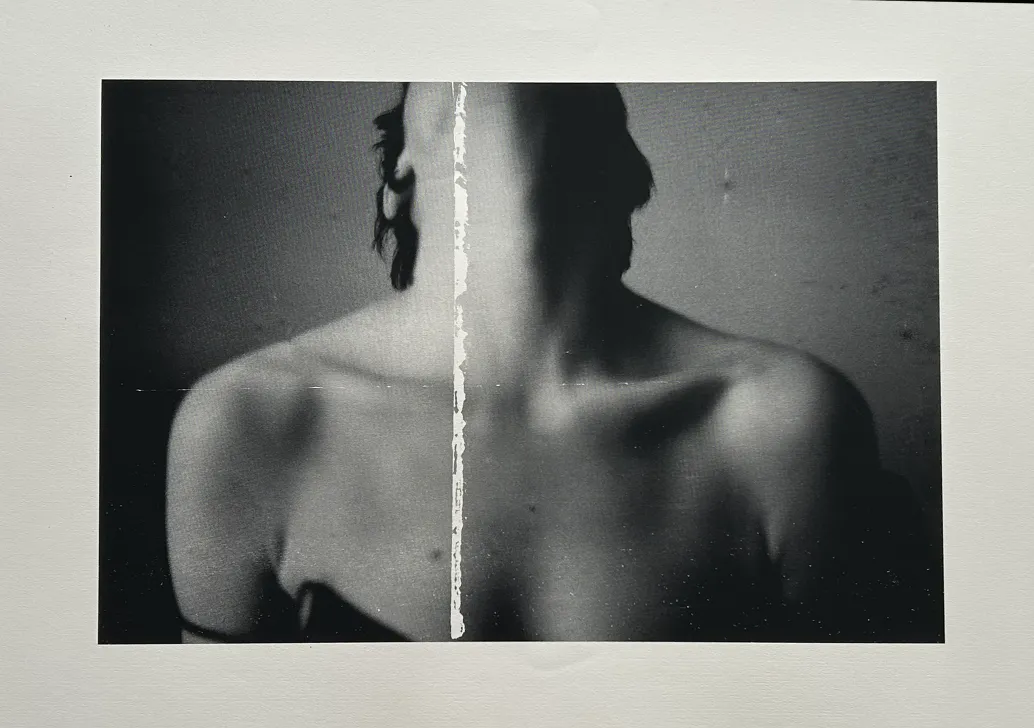
The exhibition will highlight the creative possibilities and mutual relationship between screen printing, raster, and photography. Both prints based directly on photography and screen print photograms from the entire period of the workshop's existence will be presented. The workshop is unique in the Czech Republic in exploring the relationship between screen printing and photography.

The exhibition opening will take place on Friday, 20 November, at 6 pm.


Don't Miss Our Other Exhibitions!

Erwin Wurm | One Minute Forever

Erwin Wurm | One Minute Forever

10/17/2026 – 3/28/2027

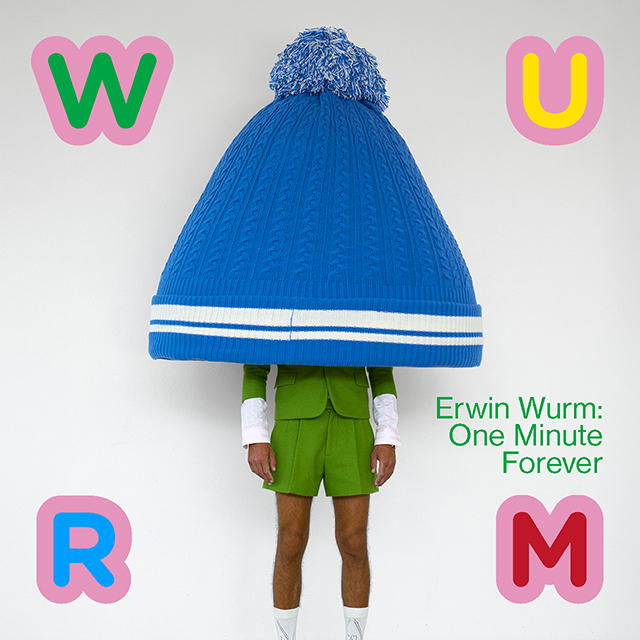
In line with its long-term development strategy, the Museum of Fine Arts Liberec will present one of the most significant contemporary artists from Central Europe, the Austrian sculptor and conceptual artist Erwin Wurm. His works have been exhibited at institutions such as the Albertina, Lenbachhaus, Galerie Thaddaeus Ropac and KÖNIG GALERIE. His artworks are included in the collections of the Solomon R. Guggenheim Museum, Walker Art Center, Museum Ludwig, Kunstmuseum St.Gallen, Musée d'art contemporain de Lyon, Museum Brandhorst, Centre Pompidou and many others. This exhibition will mark his very first solo presentation in the Czech Republic. With this project, the Liberec museum continues its programme of introducing major contemporary artists to Czech audiences, following exhibitions by Neo Rauch, Rosa Loy, Zsófia Keresztes and Koji Kakinuma.

Małgorzata Mirga-Tas, Sráč Sam | Companion

Małgorzata Mirga-Tas, Sráč Sam | Companion

10/17/2026 – 3/28/2027

The exhibition presents a dialogue between two distinctive female artistic voices — Polish visual artist of Roma origin Małgorzata Mirga-Tas and Czech artist Sráč Sam. Both work with textiles as a medium of memory, identity, and female experience. While Małgorzata Mirga-Tas focuses on the Roma community and its visual and narrative representation, in the context of this exhibition Sráč Sam works with an architectural installation in which textiles appear only minimally, through the everyday carrier of meaning represented by sewn clothing. At the same time, the large-scale architectural structure demonstrates the interconnectedness of the individual elements of the overall composition, as well as the idea that having a place to rest and find support is a prerequisite for creating content and relationships.

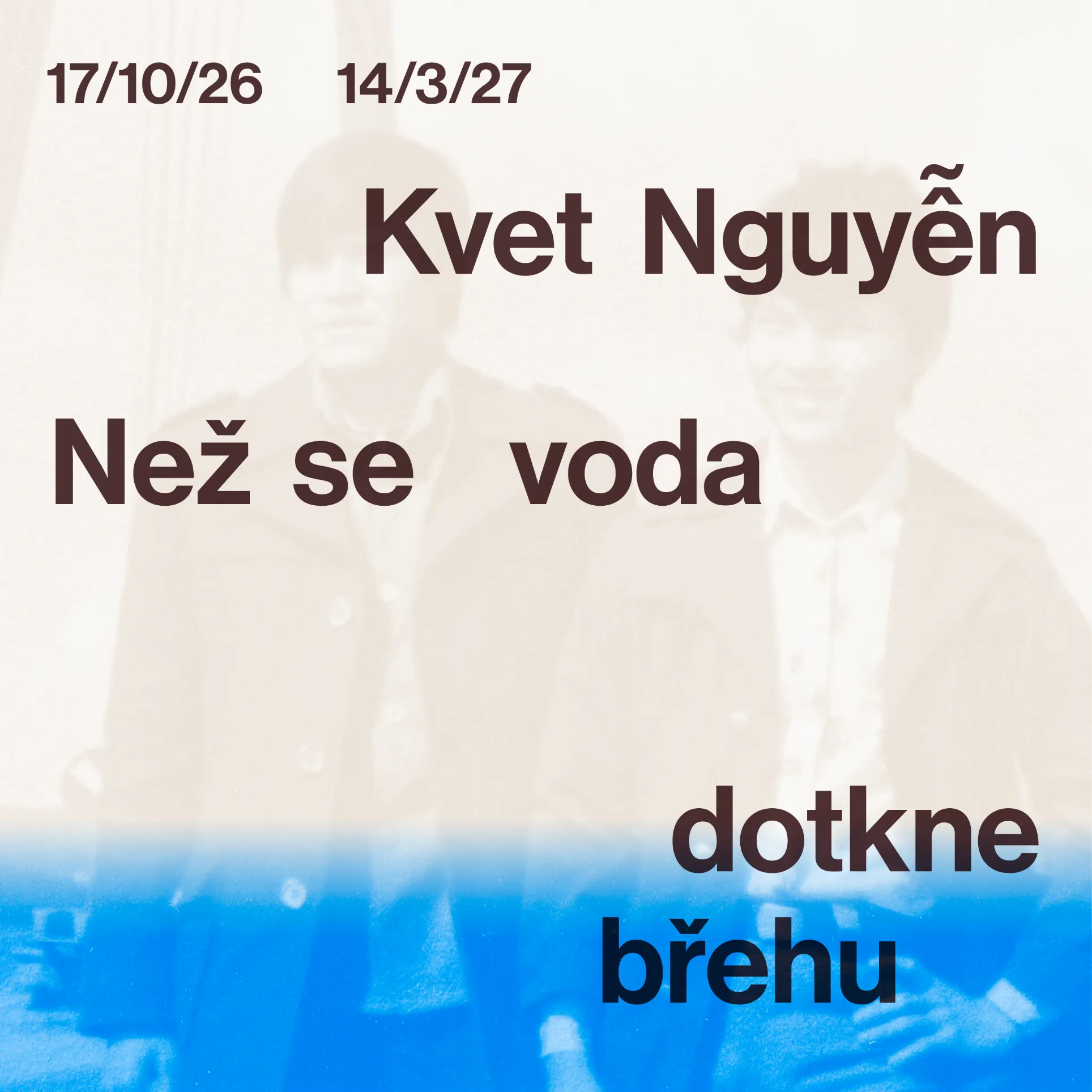
Kvet Nguyễn | Till the Water Meets the Shore

Kvet Nguyễn | Till the Water Meets the Shore

10/17/2026 – 3/14/2027

The extensive monographic exhibition presents the latest work by Slovak-Vietnamese artist Kvet Nguyễn. Conceived as a visual reading of chapters from the story of the Vietnamese diaspora in former Czechoslovakia, it traces its history from post-war migration during the era of socialist internationalism to the pivotal moment of the Velvet Revolution.

Čestmír Suška on Paper

Čestmír Suška on Paper

11/21/2026 – 5/9/2027

The exhibition Čestmír Suška on Paper offers the most comprehensive survey to date of a lesser-known yet remarkably significant aspect of the artist’s oeuvre. Through drawings, prints, sketches, journals and other works on paper created alongside his sculptural practice since the late 1970s, it reveals Suška’s creative process, his experimentation and his search for forms that would later develop into monumental sculptural works.