Sudek, Funke, Drtikol... | Czech and Slovak Photography from the PPF Collection

CuratorLuděk Lukuvka, Lucie Mlynářová a Jan Randáček
from 6/21/2018
to 9/30/2018

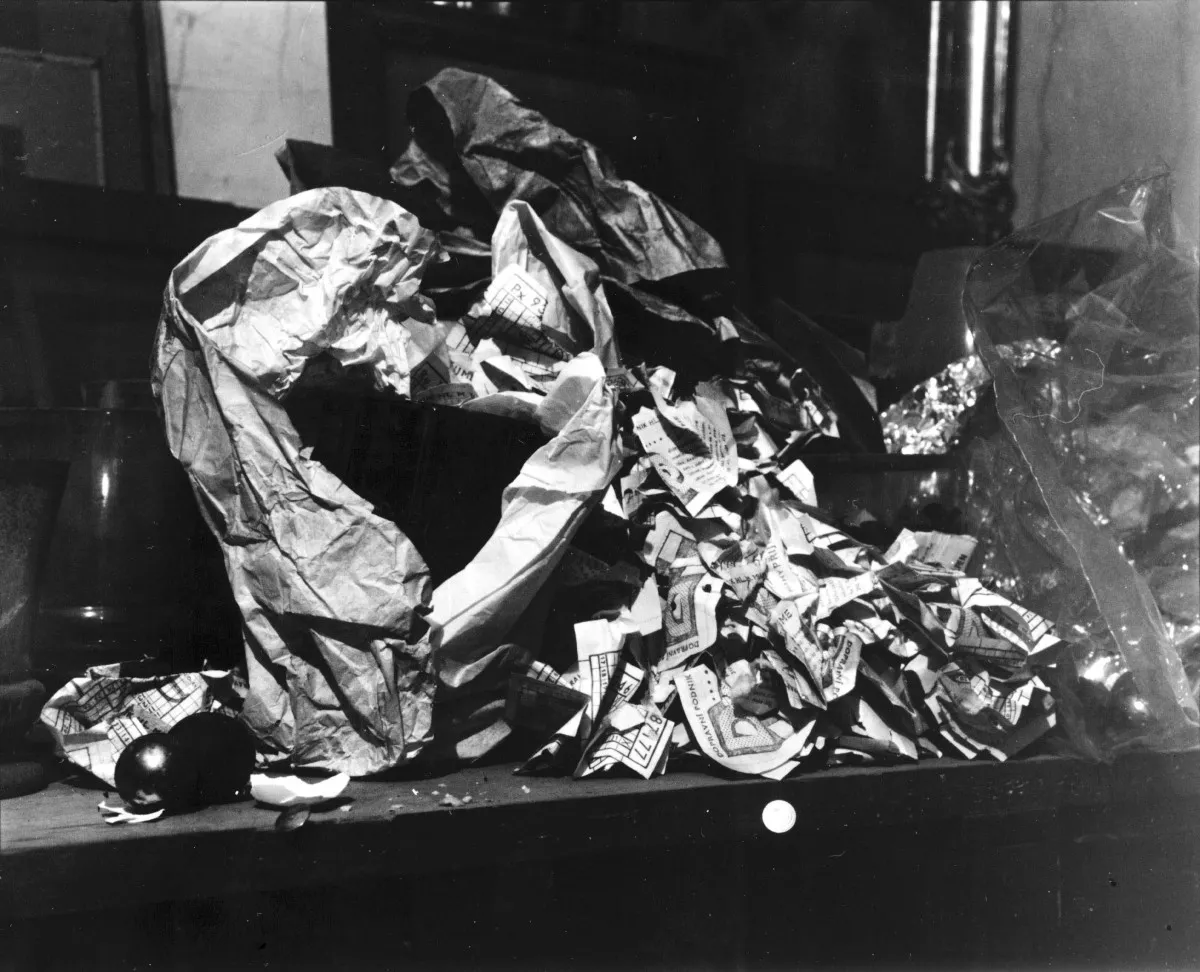
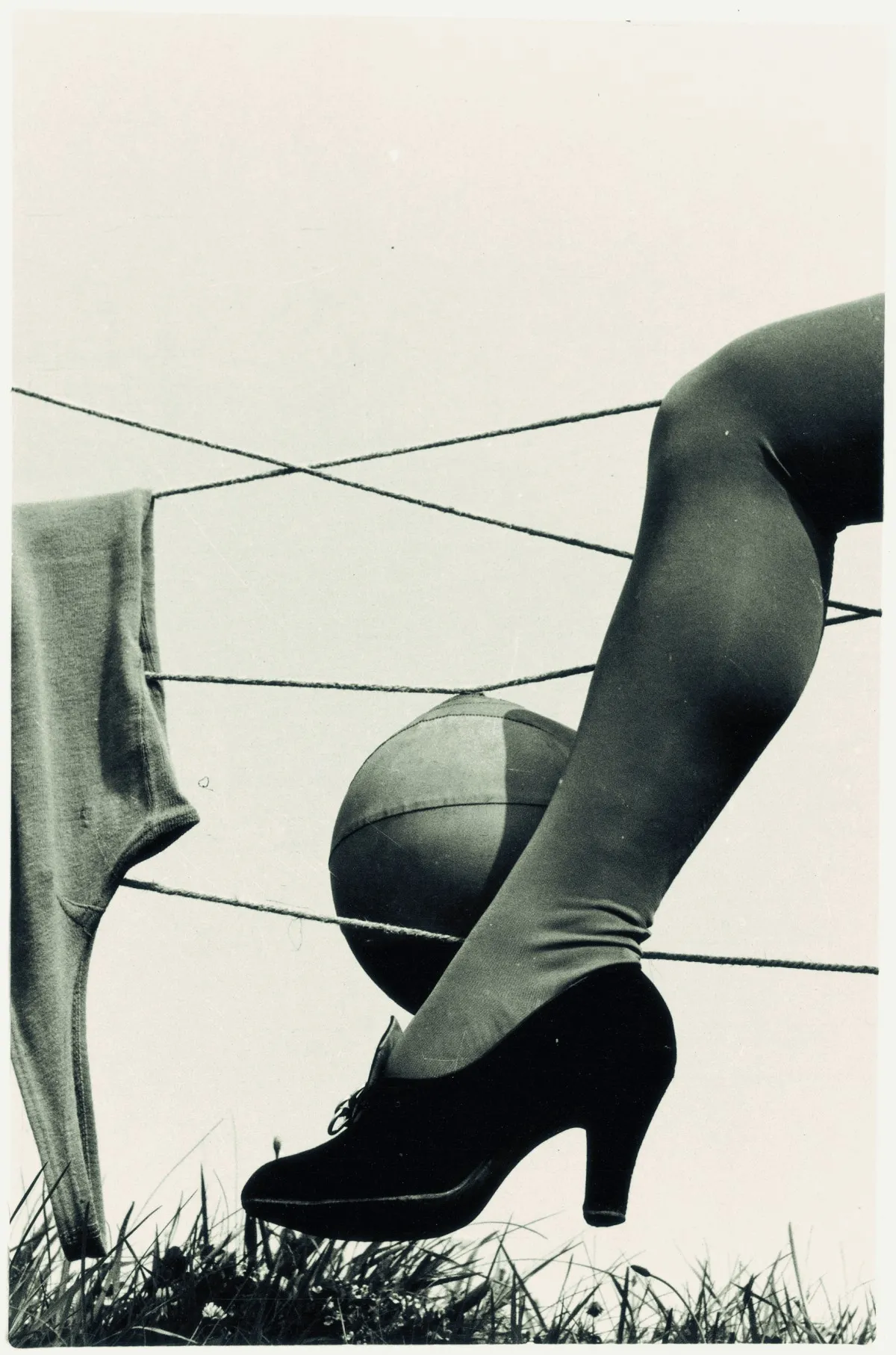
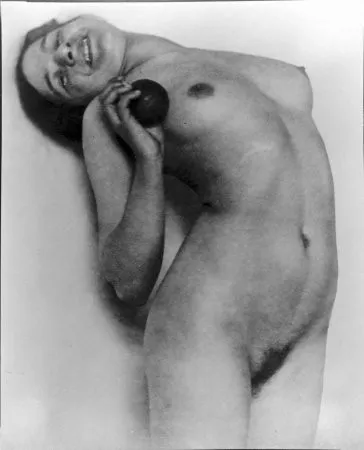
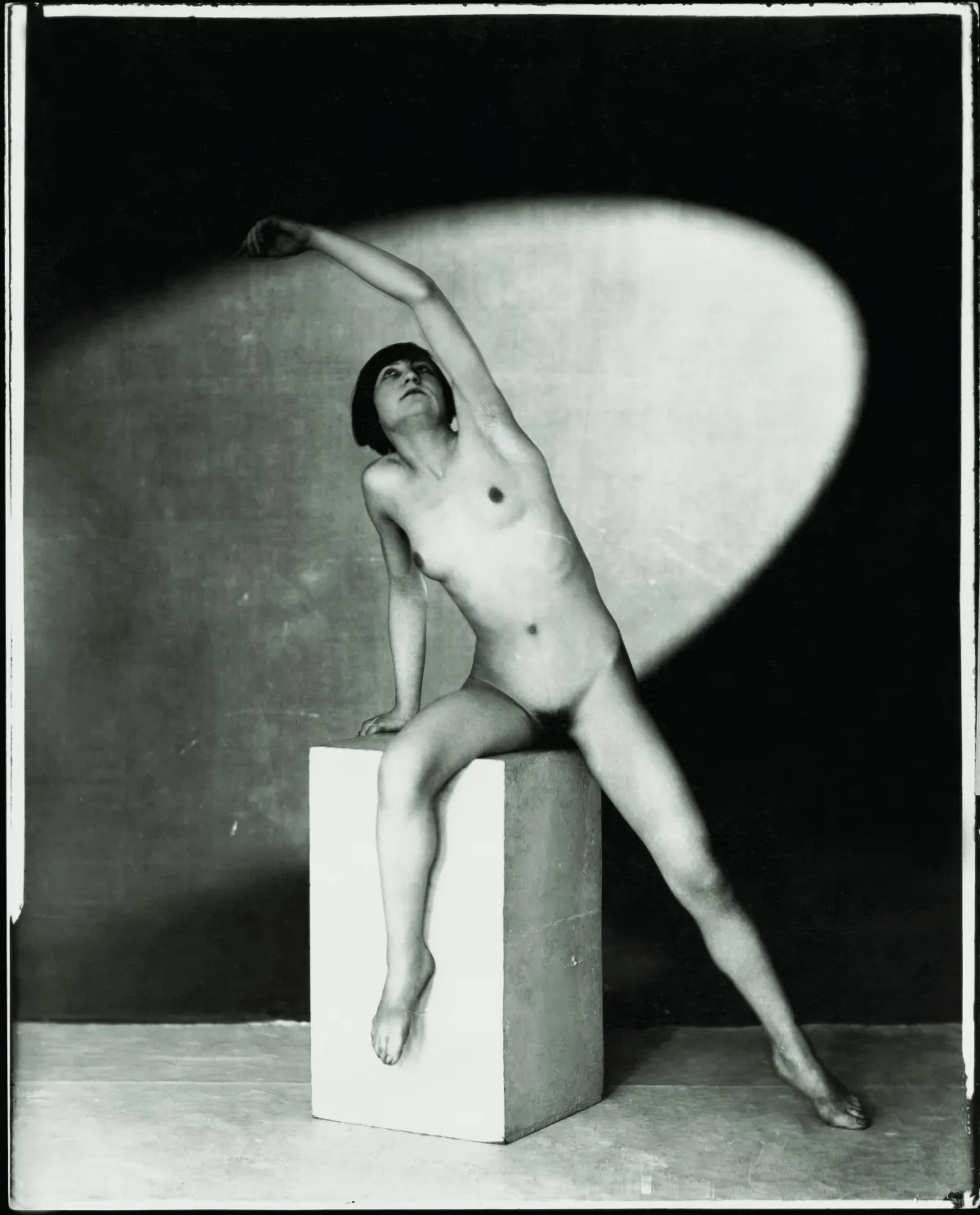
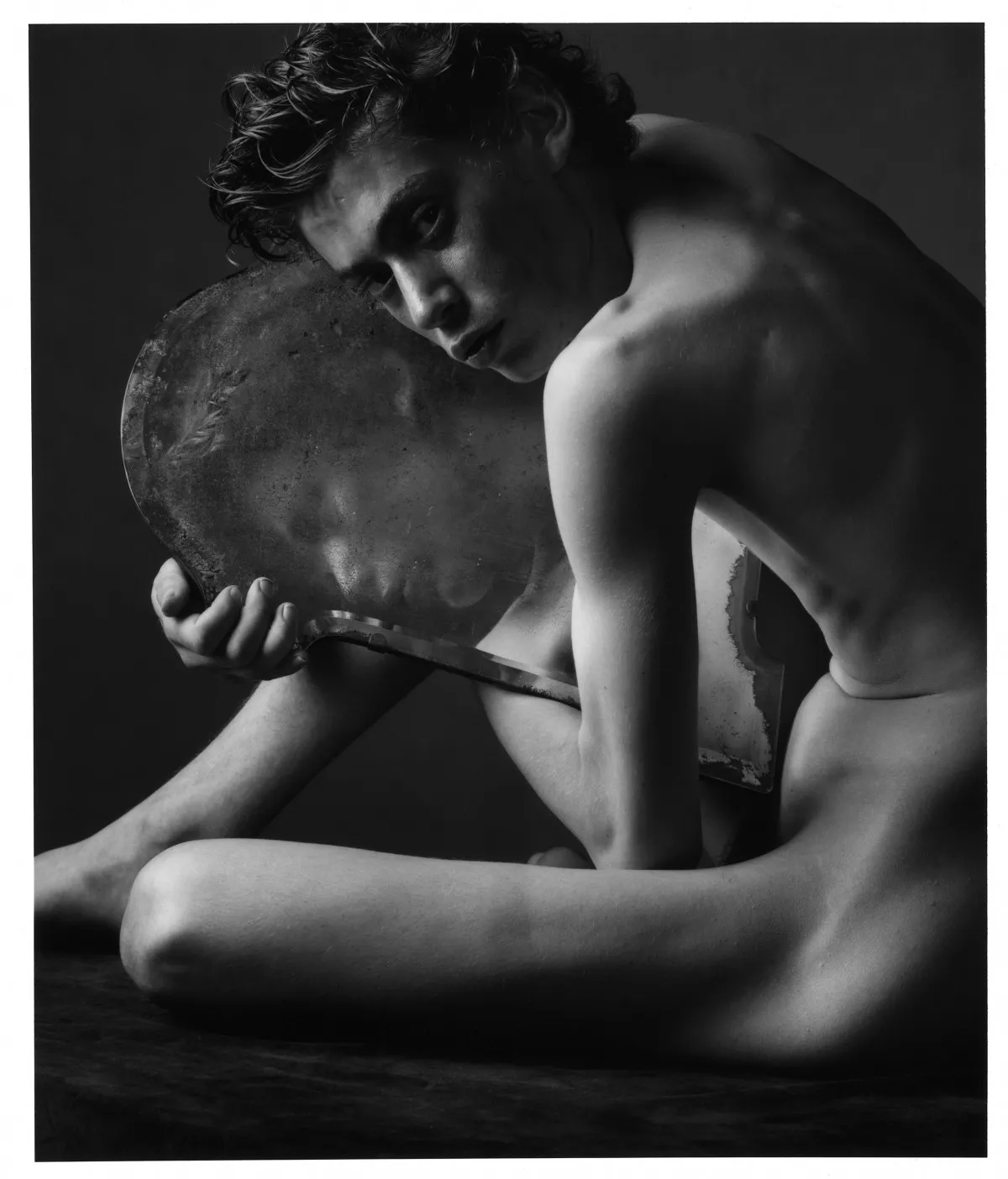
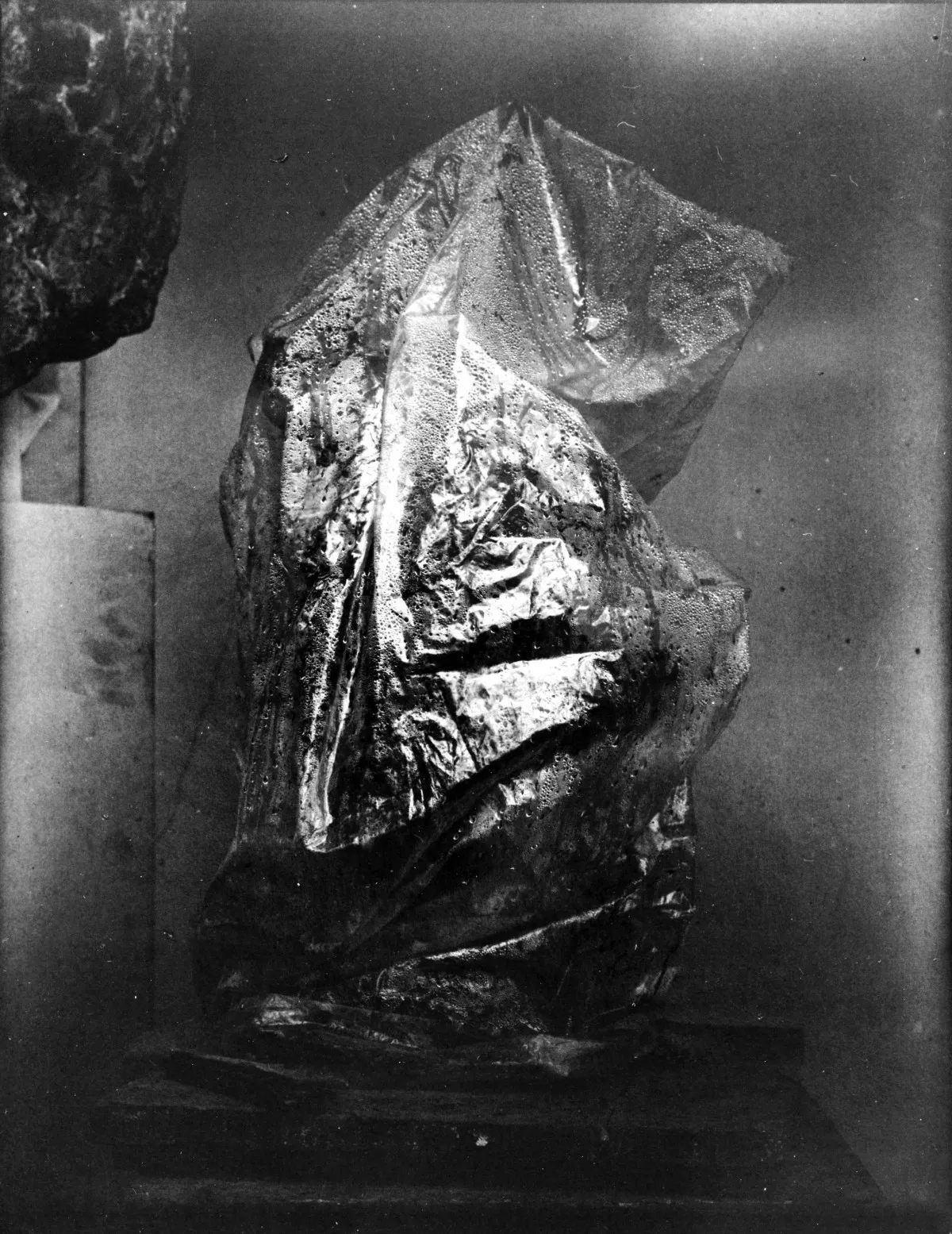
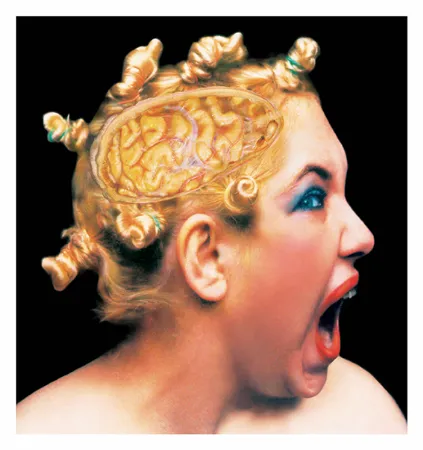
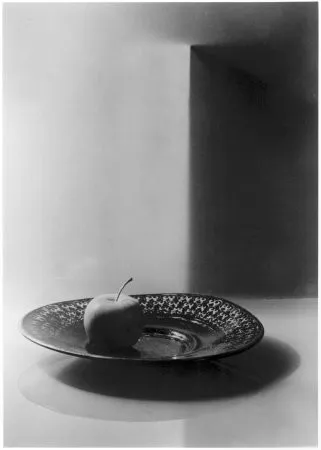
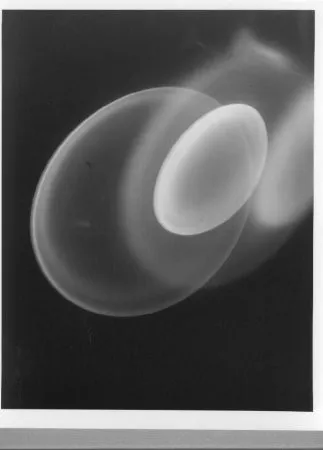
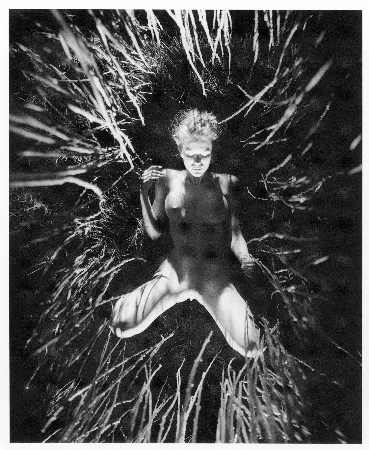
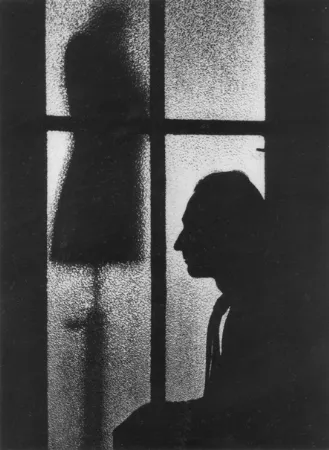
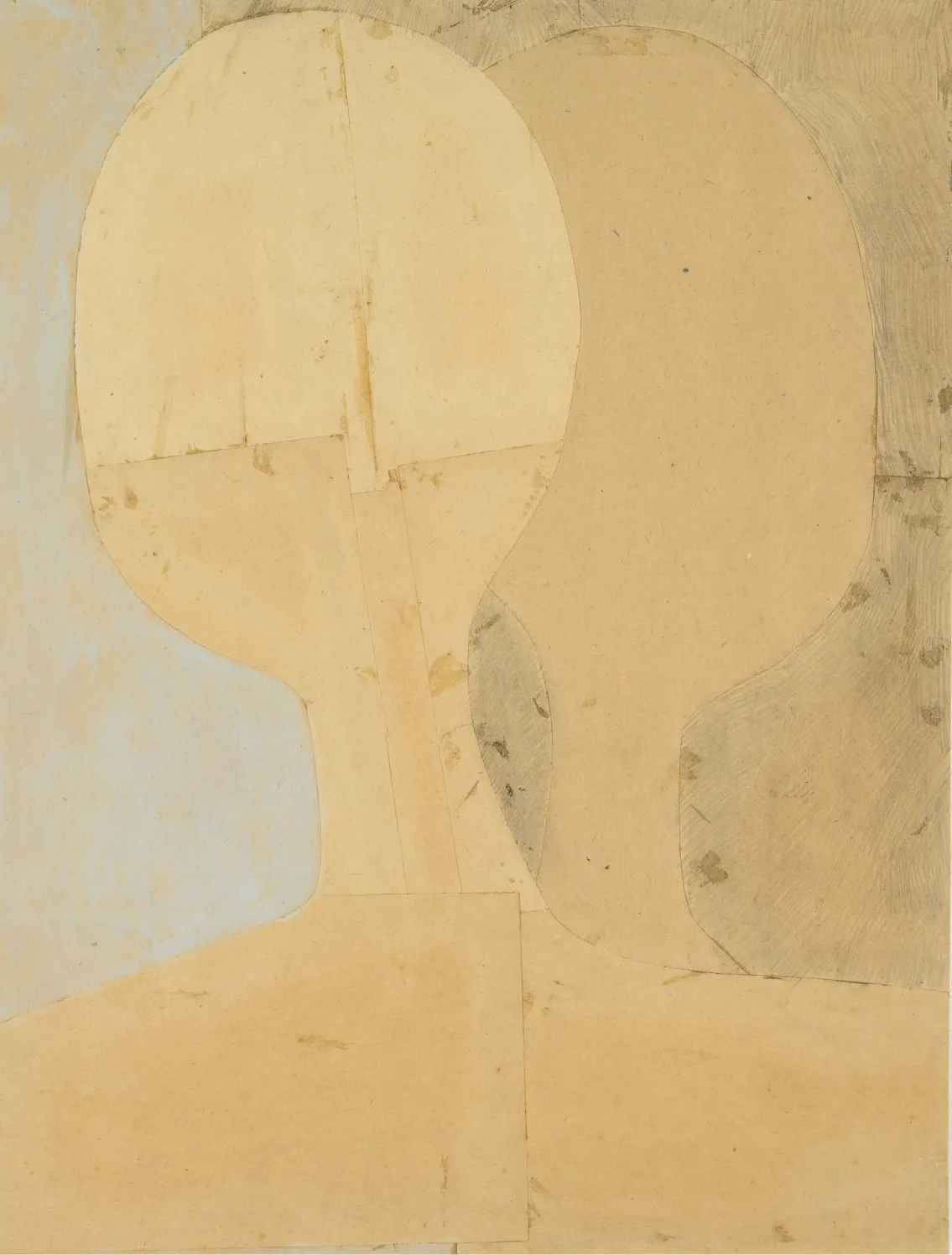
“We do not admire the work itself, but the idea contained within it.” (František Drtikol) More than a hundred years of Czech — and also Slovak — photography is a compelling reason to present to the public the rise, ideological currents, and twists of a medium that has undergone a turbulent evolution from the late 19th century to the present day. The aim of the exhibition, drawing from one of the largest collections in the Czech Republic, is to offer a balanced view of a medium that, especially with the advent of the avant-garde, confidently entered the artistic ferment of its time. While the exhibition will follow a basic chronology based on the scope of the PPF Collection — from the pictorialism of the turn of the 19th and 20th centuries to the present — the emphasis will be placed on the ideas and intellectual background that shaped the approach to photography in the work of significant figures of Czech and Slovak photography".

At the heart of the collection is above all the work of Josef Sudek, which should form a strong thematic thread throughout the exhibition, represented by selections from his famous photographic cycles. Other major figures of Czech photography — Jaromír Funke, František Drtikol, and also Jaroslav Rössler — embody various principles of interwar movements and will likewise constitute the backbone of the exhibition. The concept of the exhibition will trace the parallel lines of artistic trends in both their intersections and fundamental differences, alongside a strong documentary tradition within photographic creation. The development of photography in our region will also reflect the historical social context, in which photography has been — and continues to be — one of the most powerful mirrors. An important aspect of the exhibition is the emphasis on representatives of Slovak photography, which naturally intersected with Czech photography throughout history. The scope is again defined by the PPF Art collection, which nevertheless includes works by several significant Slovak photographers. Without Slovak photography, the overview of photographic development in our region would be incomplete.

If Josef Sudek’s extensive body of work marked the breakthrough of Czech photography into broader international awareness, it was only a matter of time before other names from both the Czech lands and Slovakia would join the ranks of the world’s photographic elite. In this regard, our countries were fortunate not only in terms of photographers but also theorists. Among them, Anna Fárová stands out with her foundational theoretical work. Her tireless promotion of Czech and Slovak photographers went hand in hand with her reflections on leading figures of world photography — about whom she was one of the first to write.

Anna Fárová also contributed to the development of important photographic collections in the Czech Republic. For example, she created and curated the photography collection at the Academy of Arts, Architecture and Design in Prague (UMPRUM). Conceptually refined and curatorially developed photography collections were by no means commonplace in our country at the time. It is also important to consider that significant private collections were scattered among individual collectors, and collecting activity in general was an exception before 1989. In contrast, the situation changed significantly after 1989.

Although collecting activities in the private-commercial sphere have never had an easy path in the Czech Republic and Slovakia, several entities in this field have demonstrated consistent effort, the results of which will only be fully appreciated with time. Photography — often pushed into the background — has nevertheless found its place in important institutions in our region. One of them is the PPF Group, whose photography collection has been systematically built since the late 1990s. The collection also includes a selection of paintings, but it is the photography collection that holds a unique status thanks to its scope — encompassing over 1,800 photographs by more than 150 authors. The collection continues to expand, both retrospectively and with a view to the future, engaging with contemporary photographic production, which is arguably the most difficult to assess today.

The fact that the PPF Group is only now presenting such an extensive exhibition of its photographic holdings speaks to the careful consideration and gradual fulfillment of the collection’s goals. First, it was necessary to gather sufficiently representative bodies of the photographers included, as well as to navigate the vast range of contemporary photography so that the resulting assemblage would be coherent and have its own character. The exhibition at the Regional Gallery in Liberec is therefore the first to present, through a curated selection, an overview of probably the largest private collection of art photography in our country. The defining starting point of the collection is the turn of the 19th and 20th centuries, when the Art Nouveau conception of the medium and pictorialism prevailed. Even here, the selection is selective toward photography that belongs to the fine arts, elevating the craft-based commercial practice. At the heart of the collection is primarily the body of photographs by Josef Sudek, containing his world-renowned works. This set is also emphasized in the Liberec exhibition.

The photographs of Josef Sudek reveal the artist not only through the well-known images from series such as Window of My Studio, but also through atypical examples that may surprise even his admirers. This is one of the collection’s strengths. The exhibition thus allows the presentation not only of canonically recognized works but also lesser-known authorial positions that enrich the general understanding of the photographic work of the most important photographers. Besides Sudek, this group naturally includes František Drtikol, Jaromír Funke, and Jaroslav Rössler. These “pioneers of the Czech photographic avant-garde” hold a significant place not only within the collection but also in the Liberec exhibition, which is organized not only chronologically but primarily as a showcase of contemporary photographic movements. Funke, a close companion of Josef Sudek, hints at kinship with the most famous Czech photographer in many of his works and is represented in the exhibition by his compositional experiments. Together with Jaroslav Rössler, who experimented with photograms and is a Czech pioneer in this field, his photographic career, despite various interruptions, continued in experimental work until the late 1950s and early 1960s.

Classical modernism, represented by the names of Funke and Rössler, intersects with the extensive work of Josef Sudek, as well as František Drtikol, another great figure of Czech photography who holds an irreplaceable place in the exhibition. Hand in hand with the emergence of a new generation of young photographers in the 1920s came technological progress. Smaller and more agile cameras favored dynamic shots, details, freezing motion, and double exposures. Viewing angles diversified with low angles, bird’s-eye perspectives, and diagonal compositions. An important source of progress was a new understanding of the medium. Photogenic qualities became the foundation of advertisements and collages, where photographers unleashed their imagination and created combinations of creative techniques that enhanced informativeness. In this regard, Josef Sudek played a crucial role in the Czechoslovak environment of the then republic. His commercial work in collaboration with leading designer Ladislav Sutnar for Družstevní práce is a worldwide unique achievement. All this led to a faster adoption of functionalism, which enjoyed unusually favorable conditions in the Central European region. Photography adeptly complemented architecture in this respect.

From today’s perspective, the incredible artistic and creative ferment of the first half of the twentieth century, concentrated especially in the 1920s and 1930s, brought alongside Constructivism and New Objectivity also Surrealism, one of the last avant-garde movements. Václav Chochola, Alexandr Hackenschmied, and Emila Medková are photographers represented in the collection with works that well illustrate this movement and each in their own way show how Surrealism influenced their perception of the world through photography. All these artists also have a legacy in the development of Czechoslovak photography after the war, when, despite the difficult conditions imposed by the political coup after 1948, they continued their work. The surrealist approach is especially evident in the work of Emila Medková.

The post-war development of Czechoslovak photography is an example of how photography, despite the totalitarian regime, not only survived in its artistic evolution but also continued through photographers who often built on the founding beginnings of the early Czechoslovak avant-garde. Existentialism of the 1950s, embodied by names such as Miroslav Hák, Jan Svoboda, and Jan Lukas—whose work also went through various phases and cannot be easily categorized—is an example of another strong generation, whose recognition only came after 1989. By then, however, Czechoslovak photography—today divided into Czech and Slovak in line with the political separation of 1993—had already passed through an era in which photographers experienced conceptualism and postmodernism. The echoes of all these movements resulted in their personal reception or, conversely, a departure toward an individual original vision. This is exemplified by today well-known names like photographer Tono Stano, who emerged from the framework of Slovak postmodernism as a leading innovator of the nude genre—a photographic genre in which it is not easy for all emerging photographers to break clichés.

The 1990s were a proverbial melting pot in which Czech and Slovak photography experienced interesting periods of neo-romanticism and decadence (Václav Jirásek and the Bratrstvo group), but also had to necessarily come to terms with global trends. The exhibition, in its necessary selection from the overall rich production of art photography, had to take into account the scope and limits of the collection. Both aspects benefit primarily those interested in photography who do not have the opportunity to see the rapid development of the young medium as a whole. Thus, the exhibition presents to the public a wide and diverse range of personalities of Czechoslovak photography in relation to contemporary artistic tendencies as well as the political situation. Among other things, it thematizes the specifics between Czech and Slovak photographers, their mutual influences, and different starting points.

The adventure of photography in our Central European region is thus presented by the PPF company’s collection with appropriate intensity, which is the result of long-term collecting activity. Photography in our countries, reflected in this collection, is a document not only artistic but also historical.

Visit also

Čestmír Suška on Paper

Čestmír Suška on Paper

11/21/2026 – 5/9/2027

The exhibition Čestmír Suška on Paper offers the most comprehensive survey to date of a lesser-known yet remarkably significant aspect of the artist’s oeuvre. Through drawings, prints, sketches, journals and other works on paper created alongside his sculptural practice since the late 1970s, it reveals Suška’s creative process, his experimentation and his search for forms that would later develop into monumental sculptural works.

Małgorzata Mirga-Tas, Sráč Sam | Companion

Małgorzata Mirga-Tas, Sráč Sam | Companion

10/17/2026 – 3/28/2027

The exhibition presents a dialogue between two distinctive female artistic voices — Polish visual artist of Roma origin Małgorzata Mirga-Tas and Czech artist Sráč Sam. Both work with textiles as a medium of memory, identity, and female experience. While Małgorzata Mirga-Tas focuses on the Roma community and its visual and narrative representation, in the context of this exhibition Sráč Sam works with an architectural installation in which textiles appear only minimally, through the everyday carrier of meaning represented by sewn clothing. At the same time, the large-scale architectural structure demonstrates the interconnectedness of the individual elements of the overall composition, as well as the idea that having a place to rest and find support is a prerequisite for creating content and relationships.

Erwin Wurm | One Minute Forever

Erwin Wurm | One Minute Forever

10/17/2026 – 3/28/2027

In line with its long-term development strategy, the Museum of Fine Arts Liberec will present one of the most significant contemporary artists from Central Europe, the Austrian sculptor and conceptual artist Erwin Wurm. His works have been exhibited at institutions such as the Albertina, Lenbachhaus, Galerie Thaddaeus Ropac and KÖNIG GALERIE. His artworks are included in the collections of the Solomon R. Guggenheim Museum, Walker Art Center, Museum Ludwig, Kunstmuseum St.Gallen, Musée d'art contemporain de Lyon, Museum Brandhorst, Centre Pompidou and many others. This exhibition will mark his very first solo presentation in the Czech Republic. With this project, the Liberec museum continues its programme of introducing major contemporary artists to Czech audiences, following exhibitions by Neo Rauch, Rosa Loy, Zsófia Keresztes and Koji Kakinuma.

Patron annual entry fee
Art is my life!

Become our patron. Support the gallery and enjoy access to VIP events, discounts in the design shop, and much more.

Visit us

Masarykova 723/14
Liberec 460 01
CZ

Opening hours

monday
tuesday
wednesday
thursday
friday
saturday
sunday
closed
10.00–18.00
10.00–18.00
10.00–19.00
10.00–19.00
10.00–18.00
10.00–18.00

Entrance fees

Standard admission
180 Kč
Reduced admission
100 Kč

Exhibition galleries are closed. The Design Shop and café remain open during regular opening hours.