Valerian Karoušek (1929–1970) | Abstraction–Concreteness–Emotion

CuratorMarkéta Kroupová
Standard admission
180 Kč
Reduced admission
100 Kč
from 5/14/2015
to 8/30/2015
Assemblage sculptures by Valerian Karoušek

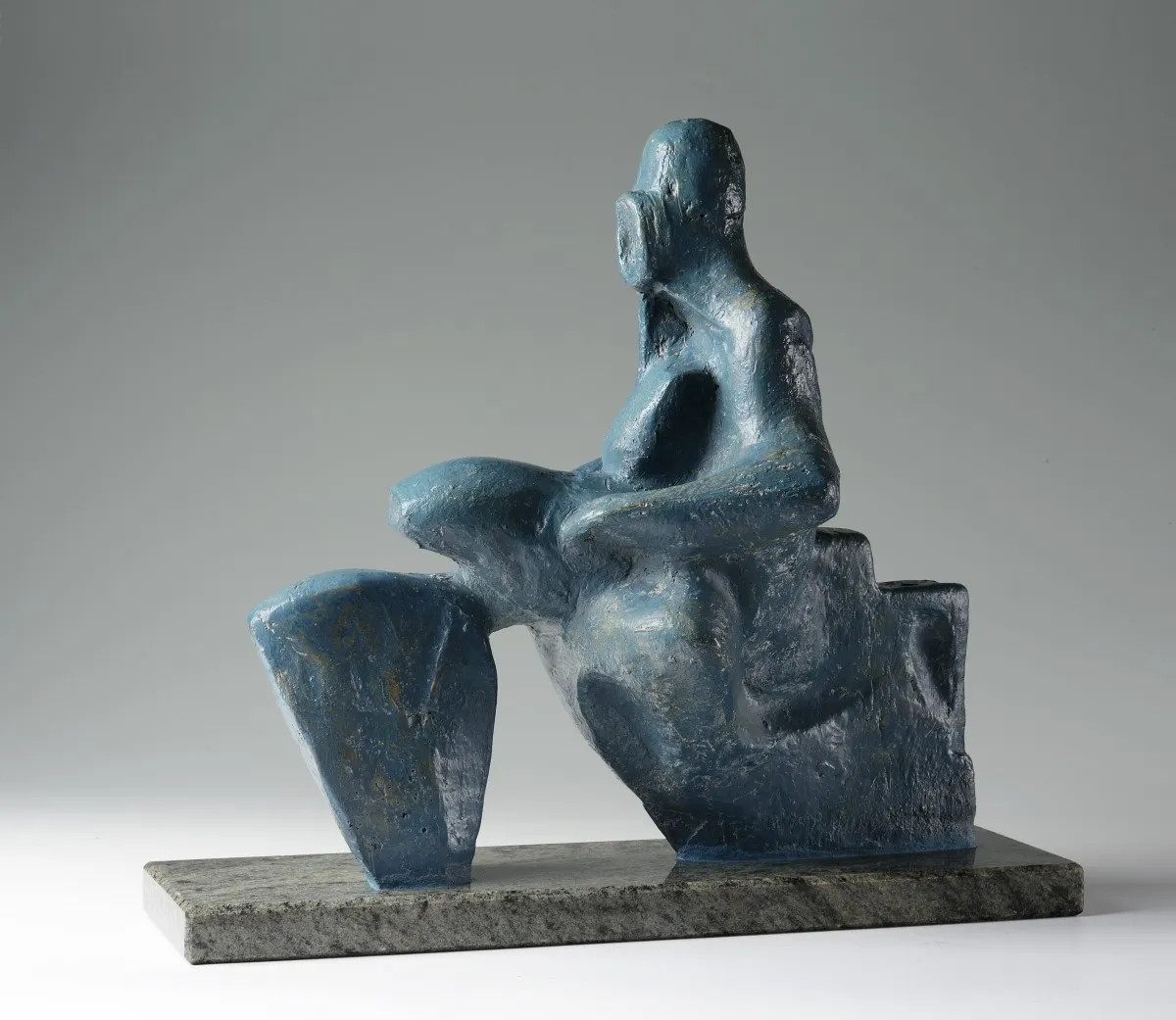
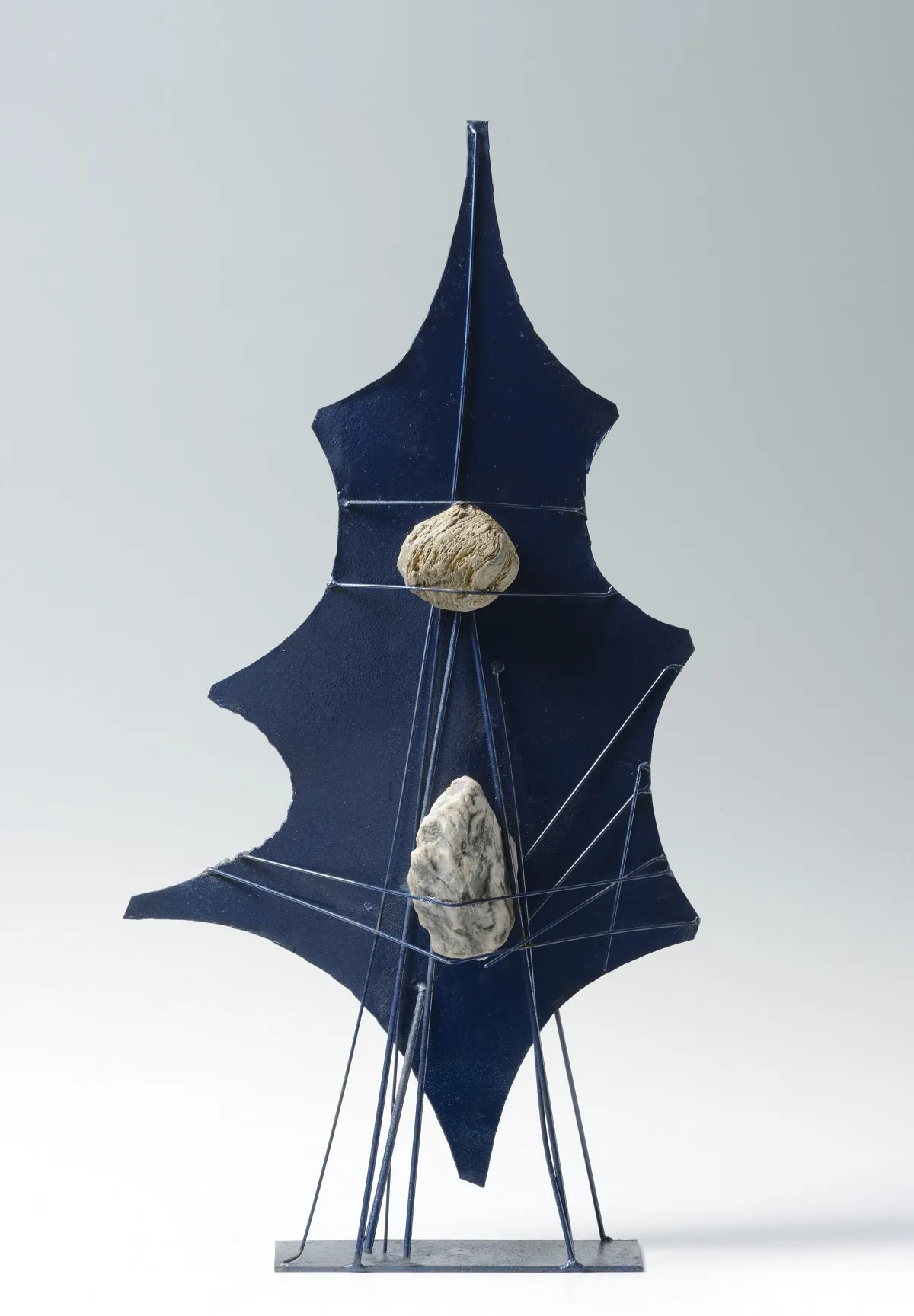
The assemblage sculptures of Valerian Karoušek (1929–1970), which confront natural materials with the technical, civilizational world of machines, were among the works that most radically disrupted the classical concept of sculpture in the 1960s — bringing it closer to everyday reality. The world and the post–World War II era in which Karoušek lived were, like the sculptor’s own personality, full of contrasts and polarities: nature — above all mountains and rocks — versus civilization; dynamics and expression versus lyricism and romanticism. These contrasts characterize his striking body of work, which developed rapidly over just a few years before being tragically cut short by the sculptor’s death during a mountaineering expedition in Peru.

The beginnings of Karoušek’s work were very promising. At the age of seventeen, without having completed his secondary education, he was admitted to the Academy of Fine Arts based on a submitted abstract sculpture.

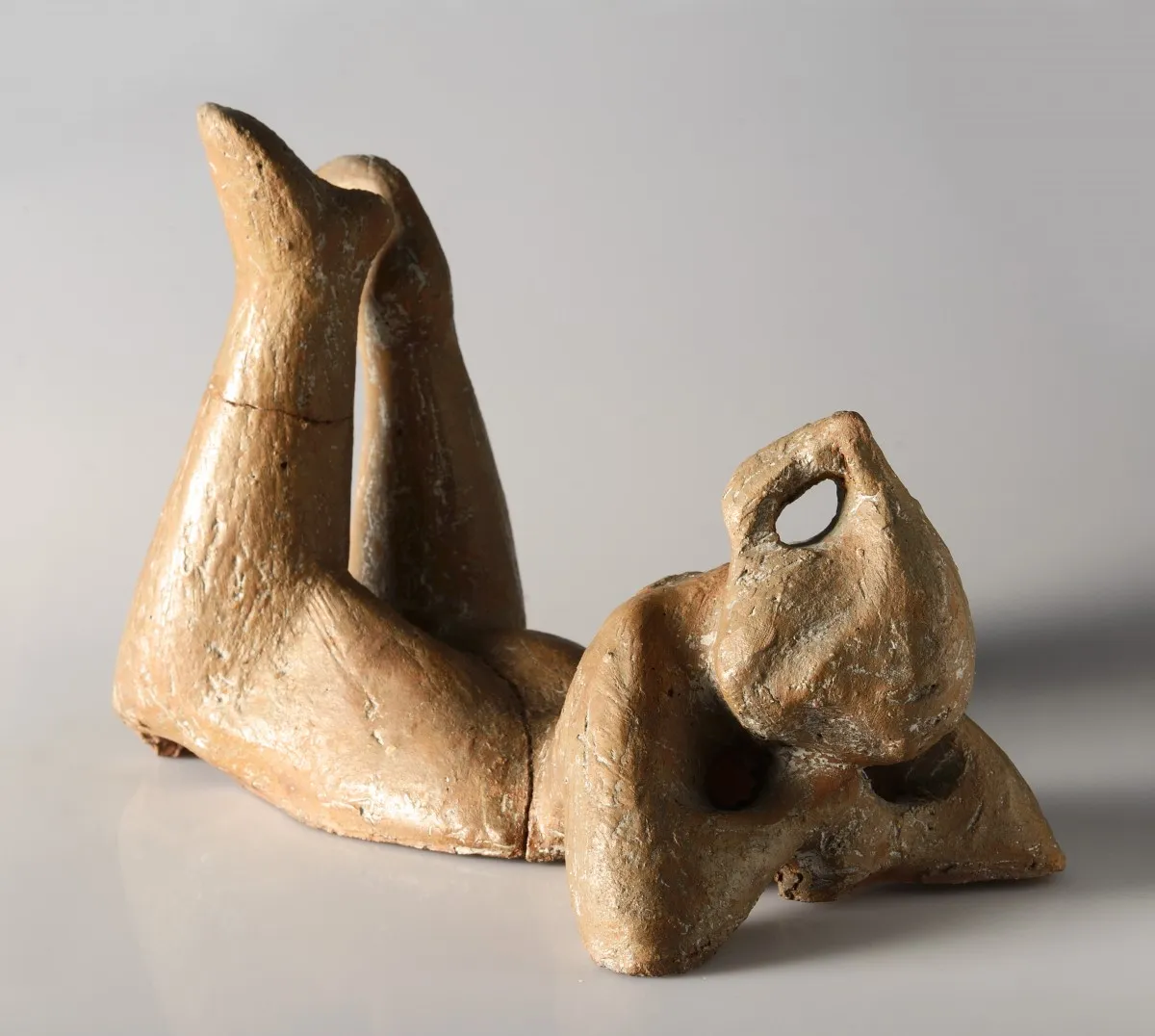
During his studies, as one of the most outstanding students of Jan Lauda, he was invited to participate in the decoration of the Czechoslovak pavilion at the 1958 World Expo in Brussels. For the entrance hall of the pavilion, he created a monumental sculpture awarded the Grand Prix of the World Expo by the expert jury. Before developing his own unique style, he drew inspiration from the lesson of interwar social ceramic sculpture. Early on, he was particularly influenced by Otto Gutfreund and his professor Jan Lauda. Themes from urban life, which he then often processed in the form of clay sculptures, corresponded with the everyday poetics of his colleagues in the art group M 57.

Confronting natural materials with the technical, civilizational world of machines
The world and the era after World War II

A key aspect of Karoušek’s artistic approach is the second — continuous — side of his personality: his relationship to nature, mountains, and mountaineering. In this area, he also experienced many successes — significant first ascents, foreign expeditions; he was a member of the Czechoslovak mountaineering team and a coach of the next generation of climbers. He participated in the Jizerská 50 race, which later bore the name Memorial Expedition Peru 70 and still does to this day. The rocks shaped his relationship to space and material but gradually began to directly infiltrate his work. Natural materials, especially rounded river stones and pieces of wood, Karoušek started to incorporate directly into his sculptures around the mid-1960s. The dynamism and expressiveness of his works were enhanced by the contrast between natural material and the technical, civilizational element — a machine part or component.

The earthquake that buried all fourteen members of the mountaineering expedition on the highest peak of the Peruvian Cordillera Huascarán on May 31, 1970, tragically ended Valerián Karoušek’s artistic career. His masterpiece, created within a brief span of just 7–8 years, is one of the most distinctive expressions of Czech sculpture in the 1960s. Despite its significance, relevance, and important position within Czech sculptural art, Karoušek’s work remains little studied and relatively unknown to the younger generation and a broader audience. (His last solo exhibition was held in 1992.) Proper analysis and contextualization of his work will help complete the overall picture of Czech art in the second half of the 20th century and present the image of a remarkable artist and individual bridging the artistic and mountaineering worlds.

Valerián Karoušek’s name is closely linked with Liberec and the Regional Gallery. He participated in the M57 exhibition at OGL in 1960, the Sculpture 1964 exhibition (where he exhibited the 3-meter-high Former Trees made of railway sleepers and machine blades; unfortunately lost), as well as the famous Sculpture and City event in 1969 (Totem of Civilization, a reworked older sculpture based on a Volkswagen car body). The Regional Gallery in Liberec also organized his posthumous exhibition in spring 1971. It is fitting to remember the 45th anniversary of his tragic death.

The exhibition is held with financial support from the Ministry of Culture of the Czech Republic.

The exhibition is under the patronage of Mrs. Marita Landaveri Porturas, Ambassador of Peru.

Visit also

Women’s World

Women’s World

4/23/2027 – 10/10/2027

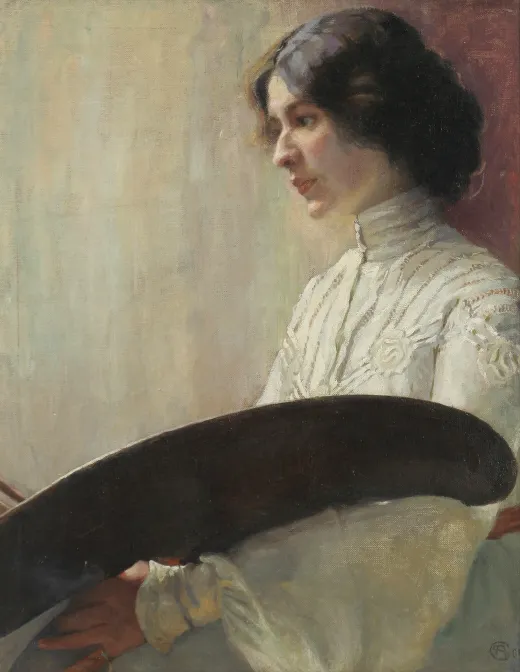
The exhibition Women’s World explores the changing status and perception of women artists from the early 19th century to 1911. Rather than attempting to provide a comprehensive overview of art created by women, it focuses on how women’s work was interpreted by contemporary critics and the wider public, and how their opportunities were shaped by prevailing social ideas about women’s roles. Through selected artists and their works, the exhibition traces the journey from viewing artistic practice as a pastime and a cultivated way of spending leisure time to the gradual recognition of women as professional artists. Particular attention is paid to the contemporary press, which not only reflected these attitudes but also helped shape them. The exhibition captures the tension between persistent stereotypes and attempts to transcend them, showing how women’s place in the art world evolved over time.

Patron annual entry fee
Art is my life!

Become our patron. Support the gallery and enjoy access to VIP events, discounts in the design shop, and much more.

Visit us

Masarykova 723/14
Liberec 460 01
CZ

Opening hours

monday
tuesday
wednesday
thursday
friday
saturday
sunday
closed
10.00–18.00
10.00–18.00
10.00–19.00
10.00–19.00
10.00–18.00
10.00–18.00

Entrance fees

Standard admission
180 Kč
Reduced admission
100 Kč

Exhibition galleries are closed. The Design Shop and café remain open during regular opening hours.