
Jan Vochoč | A Pilgrim Through the Life of an Artist
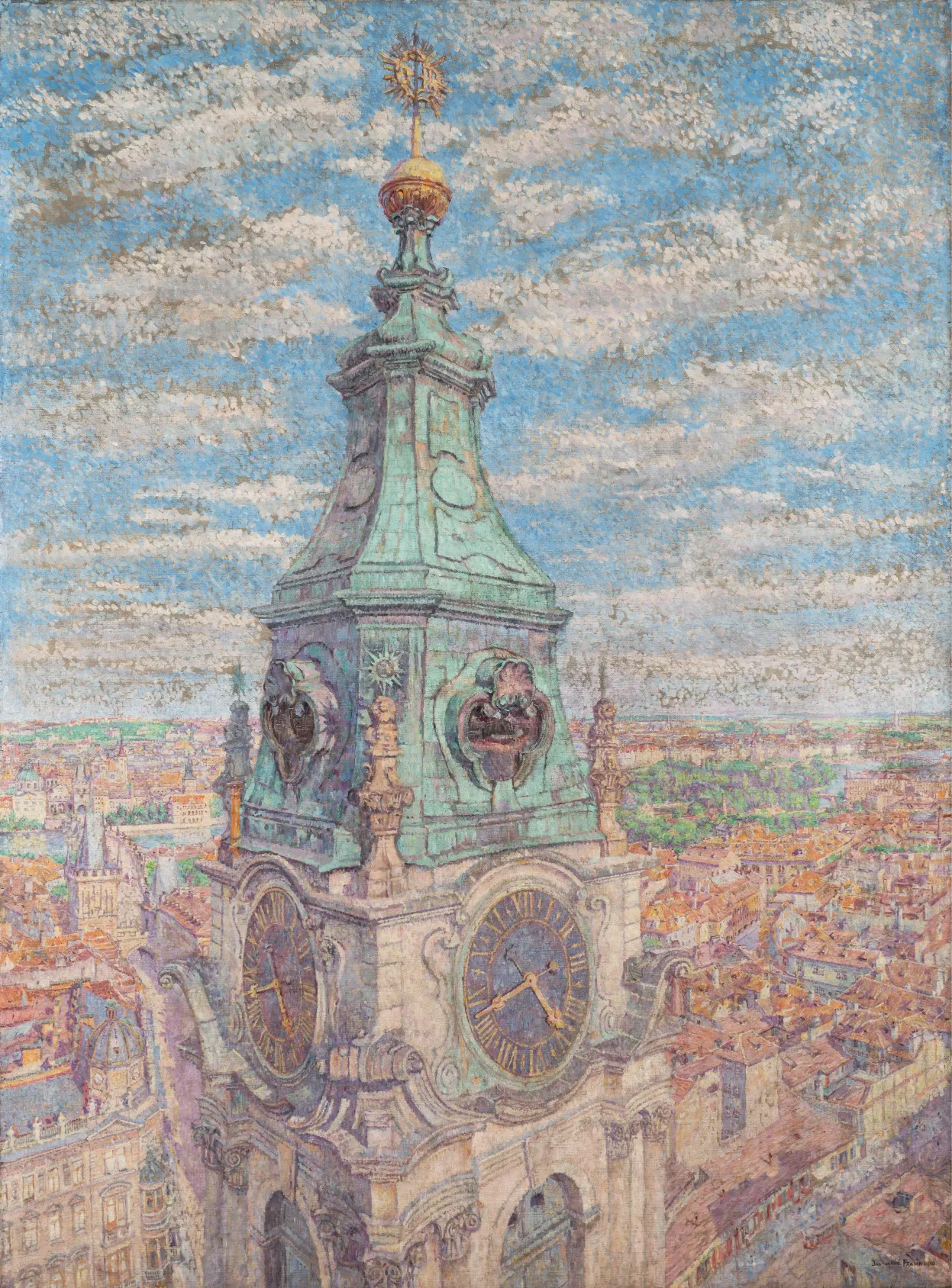
The painting St. Nicholas Tower (oil on canvas, 190 × 142.5 cm), which became part of Vochoč’s legacy to the Karásek Gallery, is closely linked to the painter’s life story. More here.
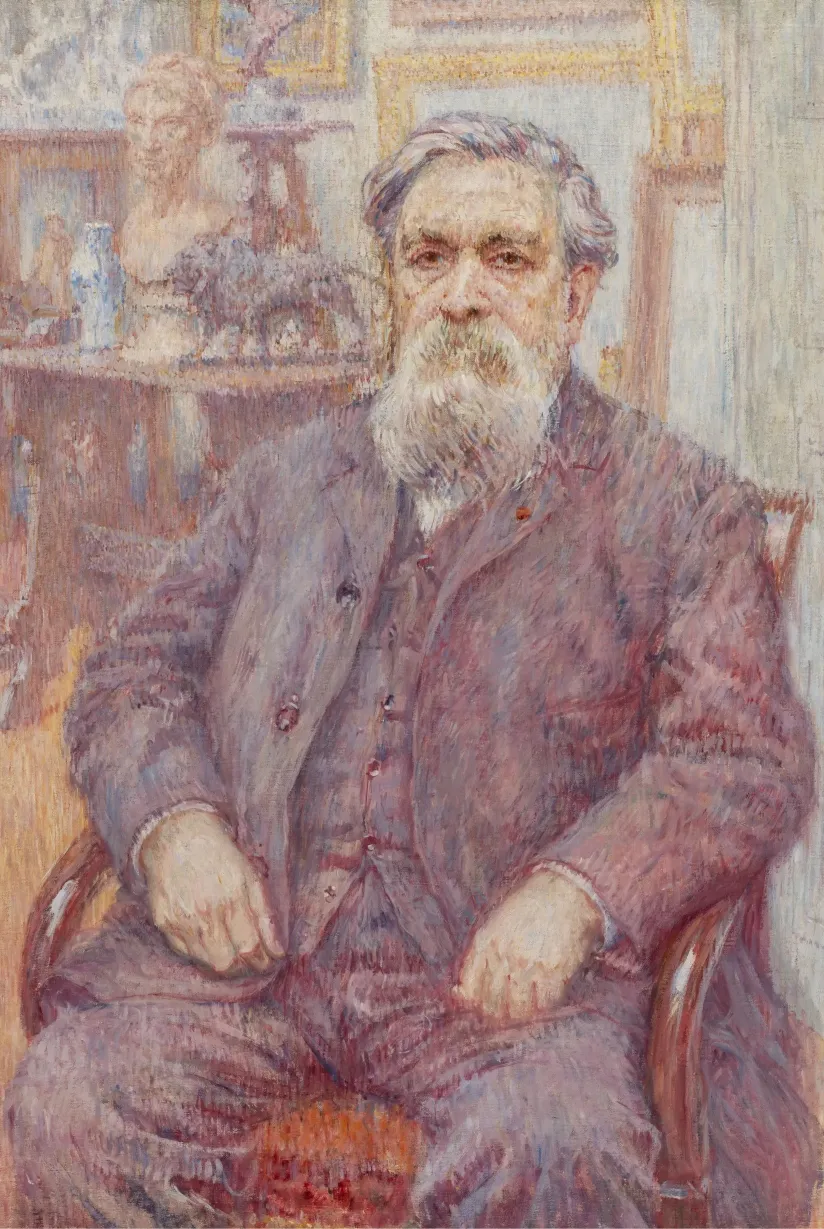
Alfred Boucher (1850–1934) was a French sculptor and painter. He achieved significant recognition during his lifetime and received numerous public commissions. More here.
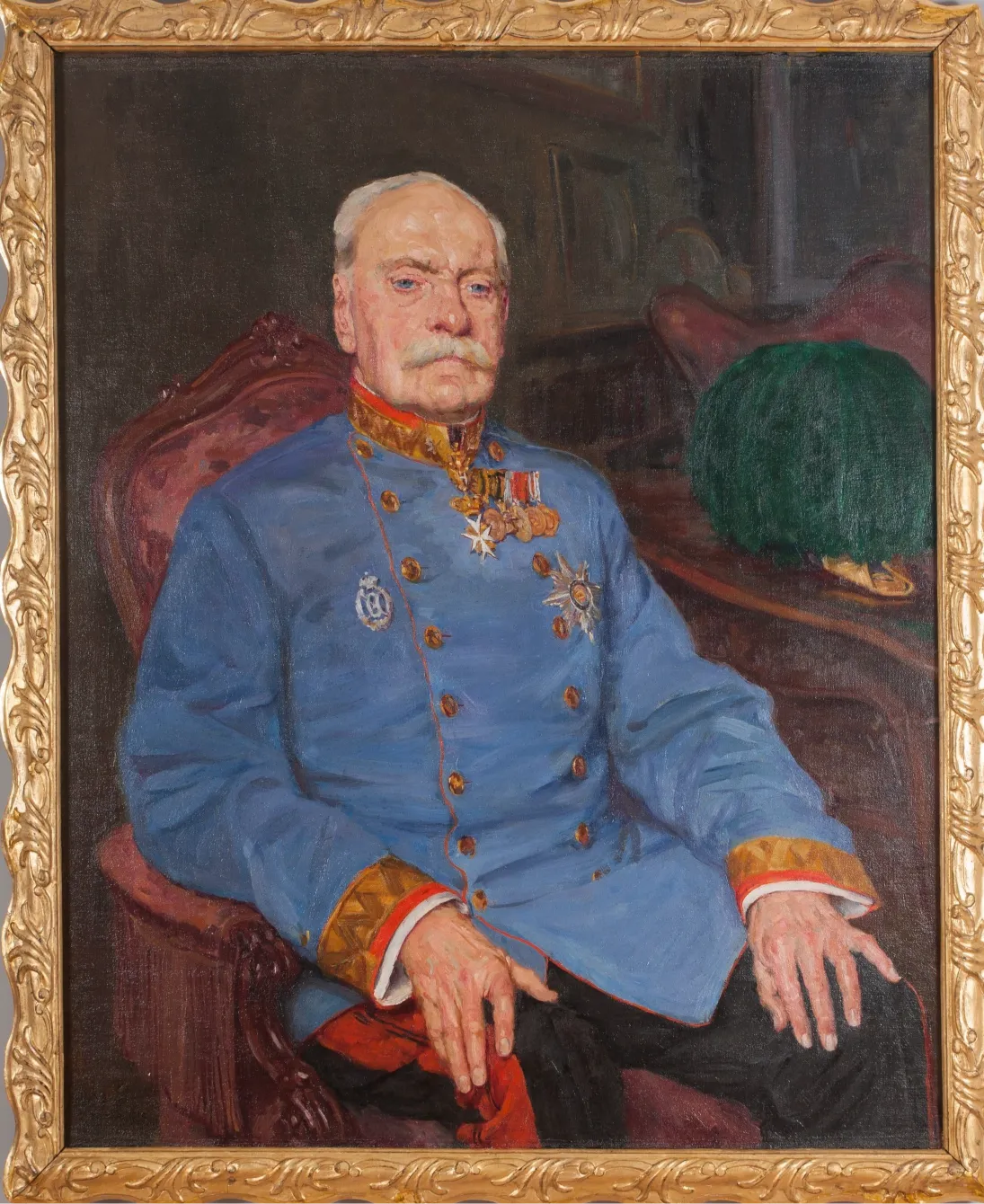
The portrait of the seated general and prominent Czech noblemanwas initiated by the artist himself during visits and personal discussions held over the course of Vochoč’s commission for Arnošt Chotek (1844–1927). More here.
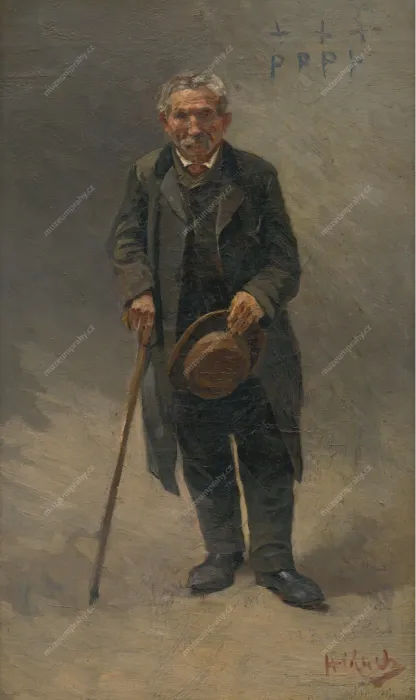
Emil Holárek (1867–1919) was known as an academic painter, graphic artist, and illustrator. More here.
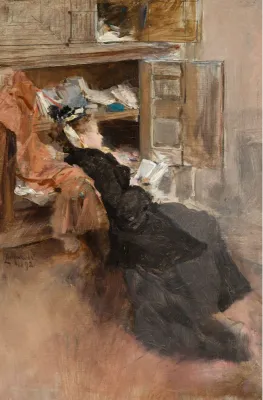
Luděk Marold (1865–1898) stood out as a brilliant painter and versatile illustrator. At just sixteen years old, he was accepted to the Academy of Fine Arts in Prague, though he stayed for only a year. More here.

Josef Schusser (1864–1941) gained recognition as a portraitist of aristocrats, entrepreneurs, and artists, such as the violinist Jan Kubelík. More here.
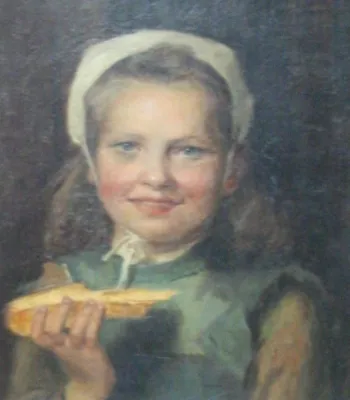
František Ondrúšek (1861–1932) is best known for his portrait work. After completing the Slavic Grammar School in Olomouc, he studied at the Academy of Fine Arts in Prague (1879–1881). More here.
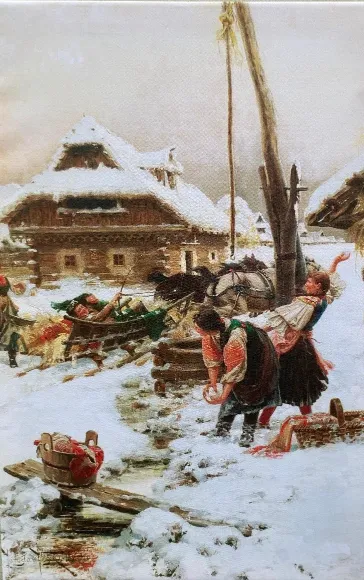
Jaroslav Věšín (1860 Vraný – 1915 Sofia, Bulgaria) was a Czech-Bulgarian painter, professor, and founder of a painting school in Sofia, which played a key role in the development of Bulgarian art. More here.
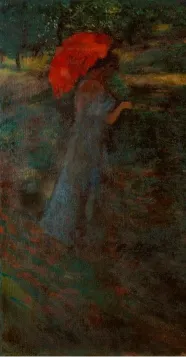
Antonín Slavíček (1870–1910) is one of the most prominent Czech representatives of Impressionist painting. Already as a pupil in the lower years of the Realschule in Spálená Street in Prague, he loved to draw and paint. More here.

Josef “Joža” Uprka (1861–1940) was a painter, and above all a watercolourist and graphic artist, representing plein-air realism, Impressionism, and Art Nouveau decorative style. More here.
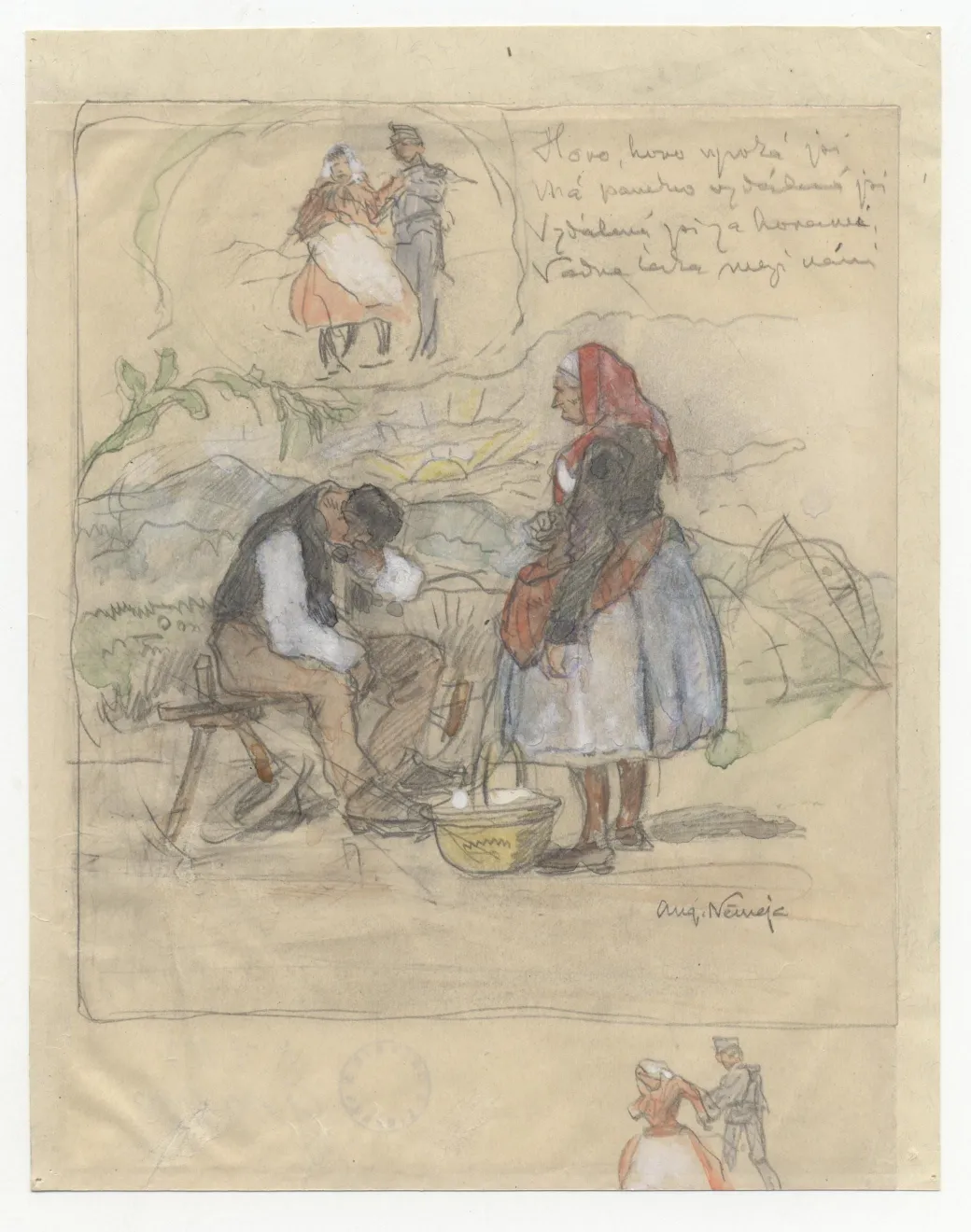
Augustin Němejc (1861–1938) is best known as a painter of everyday people in the Plzeň region. He originally trained as a watchmaker and only began his artistic career at the age of twenty-two. More here.
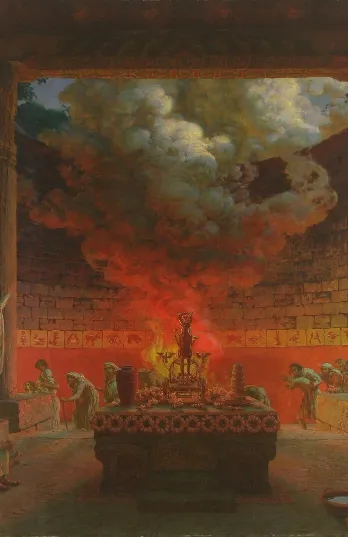
Karel Vítězslav Mašek (1865–1927) was a painter, architect, illustrator, and university professor. His artistic approach was rooted in Symbolism and Art Nouveau. More here.
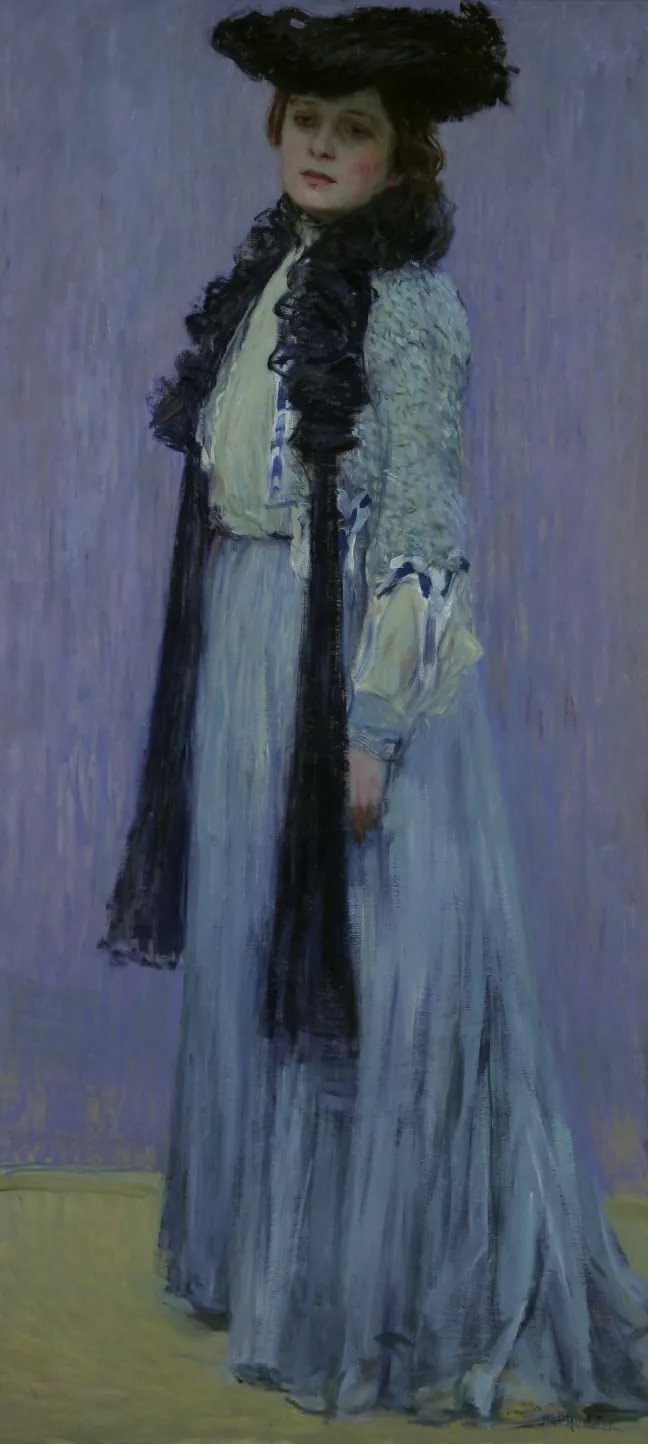
Antonín Hudeček (1872–1941) gained renown as a painter focused primarily on landscapes. From 1887 to 1890, he studied at the Academy of Fine Arts in Prague. More here.
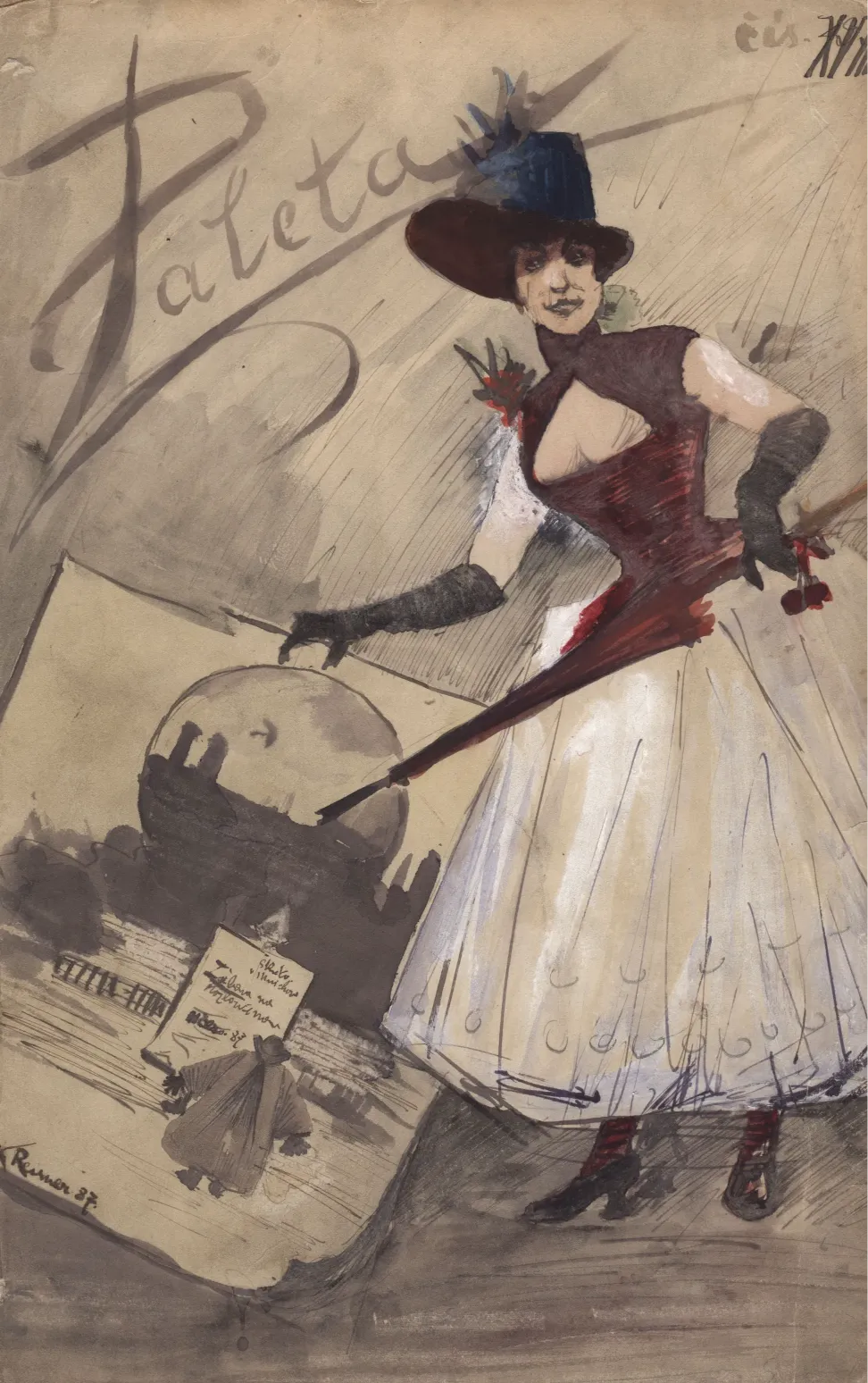
Karel Reisner (1868–1913) was a painter, graphic artist, poster designer, owner of an art school, teacher, sports editor for the newspaper Národní listy, and a recognised athlete. More here.
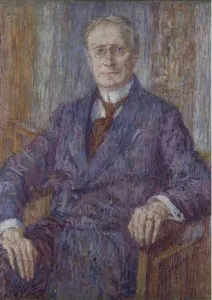
Antonín Sova (1864–1928) left a lasting mark on Czech cultural history as a poet, prose writer, and the first director of the Municipal Library of Prague. More here.
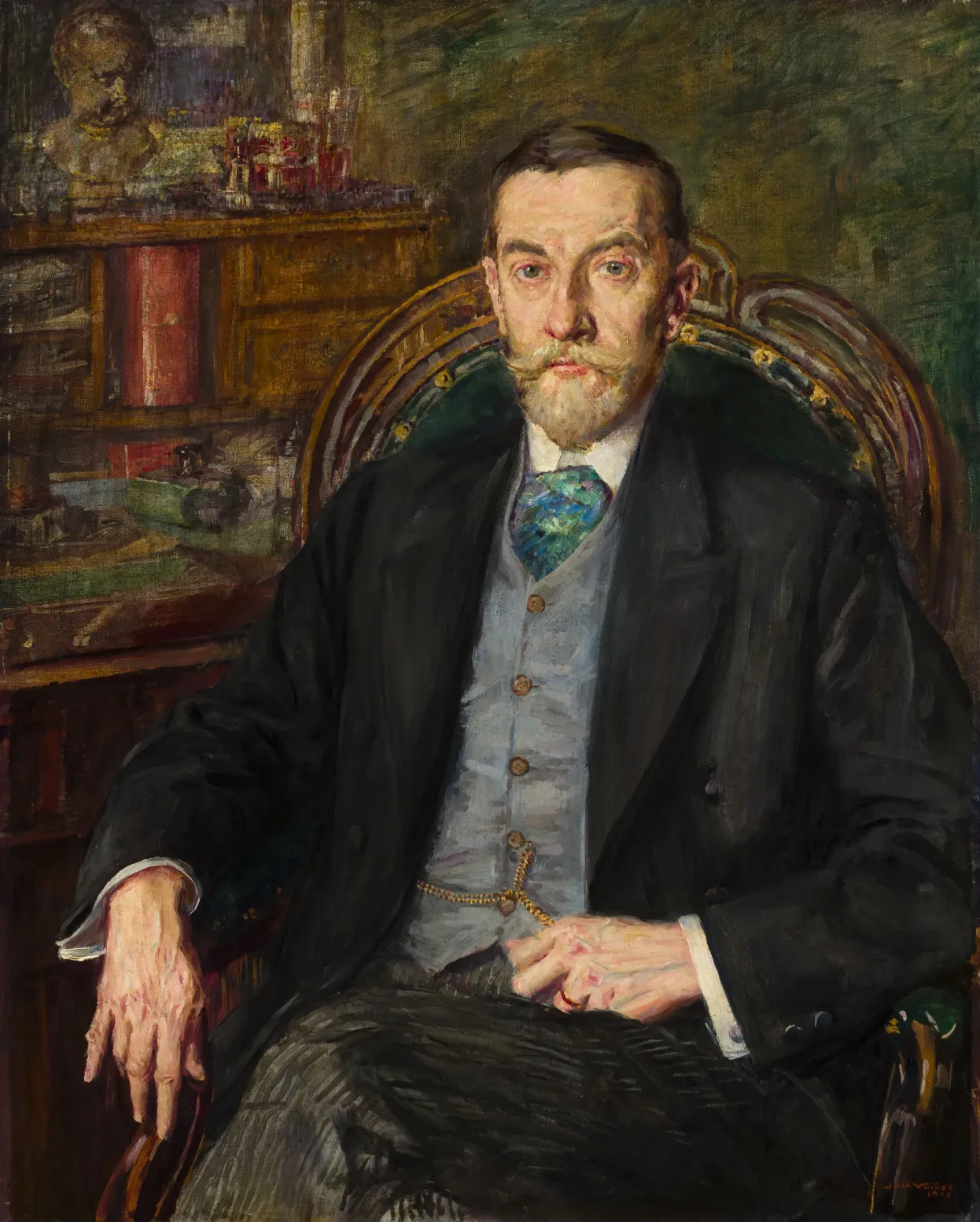
František Xaver Harlas (1865–1947) was a Prague-based art historian, but also painter, prolific publicist, and director of the Museum of Prague. More here.
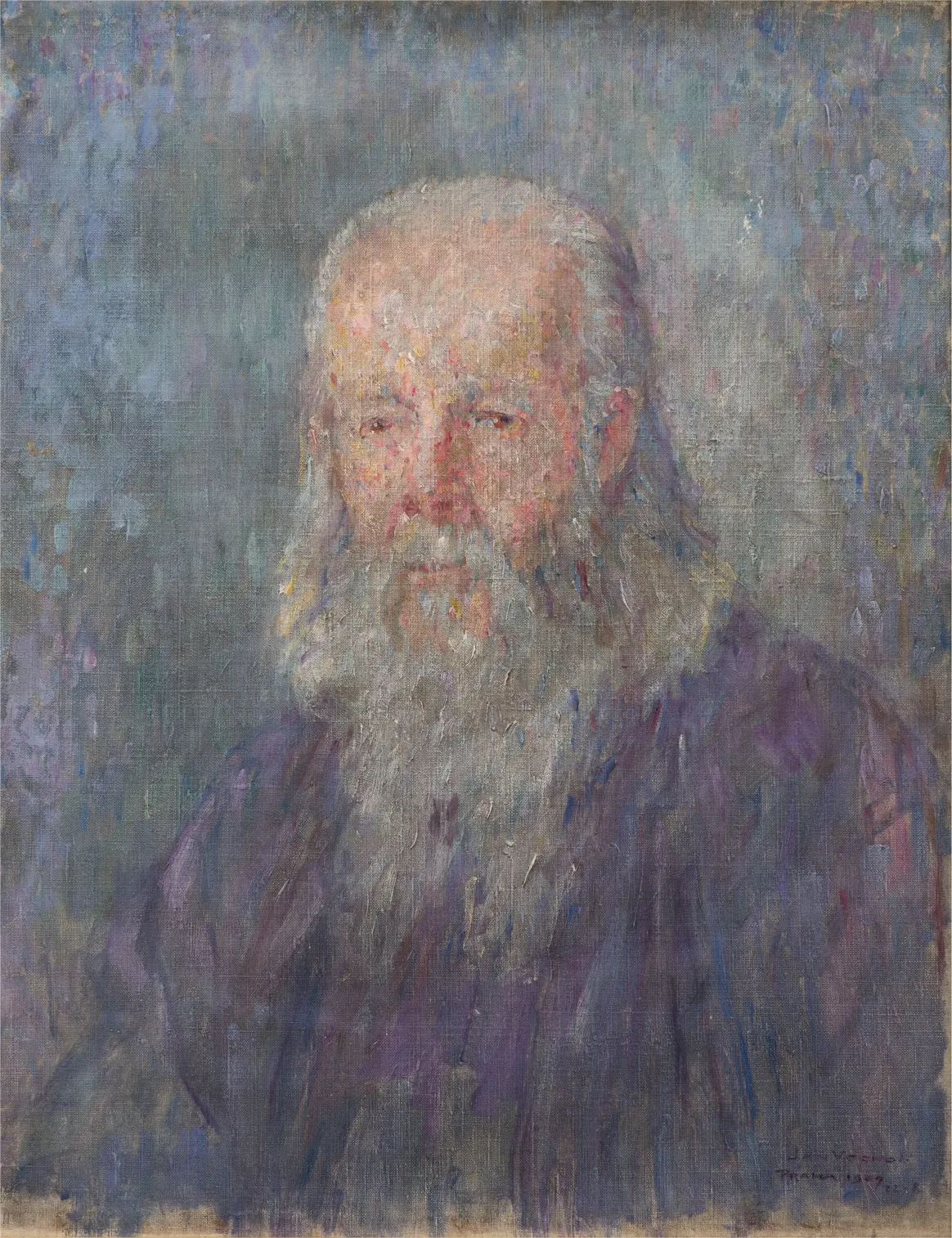
Slavibor Breüer, known as Sava Hilandarac (1837–1912), was a Czech Orthodox monk, philanthropist, and writer. More here.