Carpe diem – Ivo Křen | Linocuts

CuratorMarkéta Kroupová
Standard admission
180 Kč
Reduced admission
100 Kč
from 9/22/2011
to 12/11/2011
Exhibition of Ivo Křen

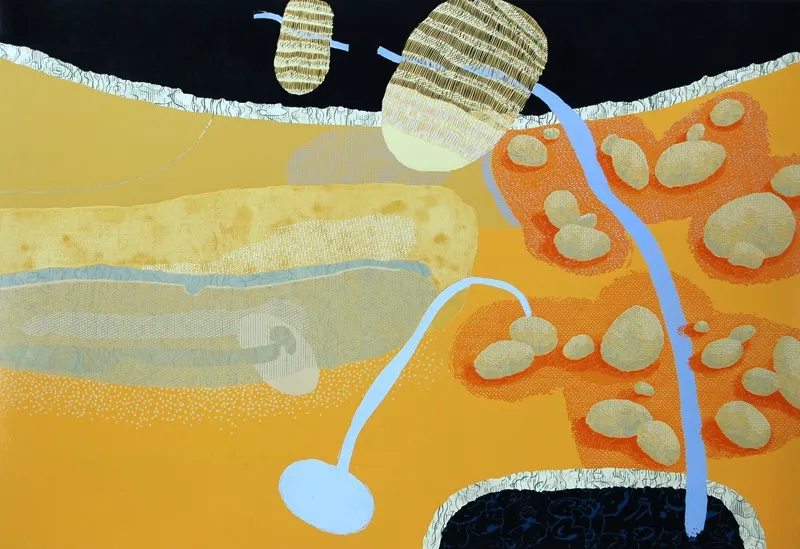
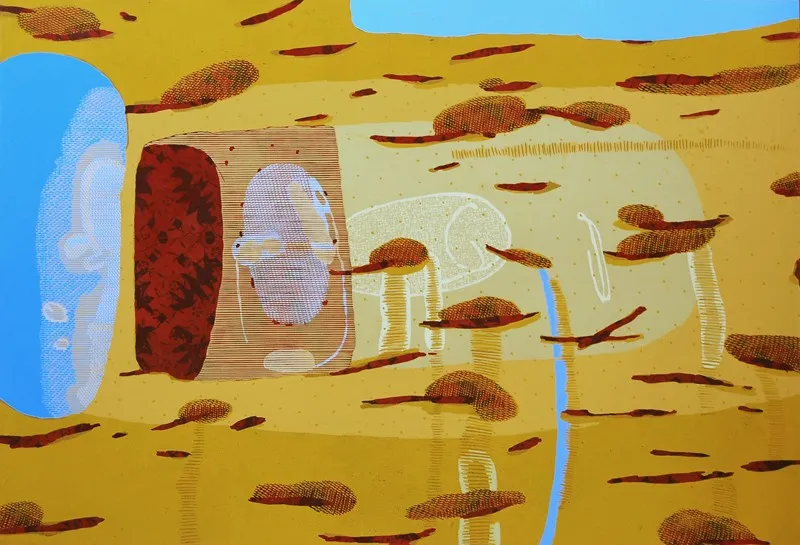
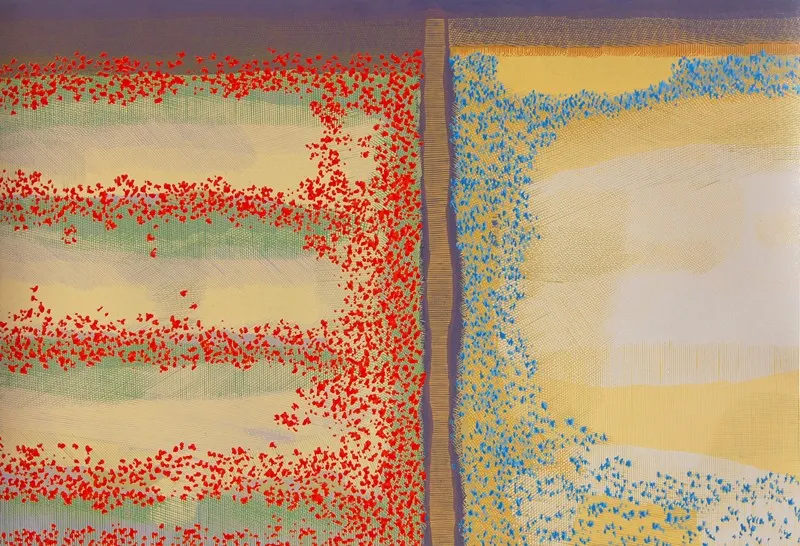
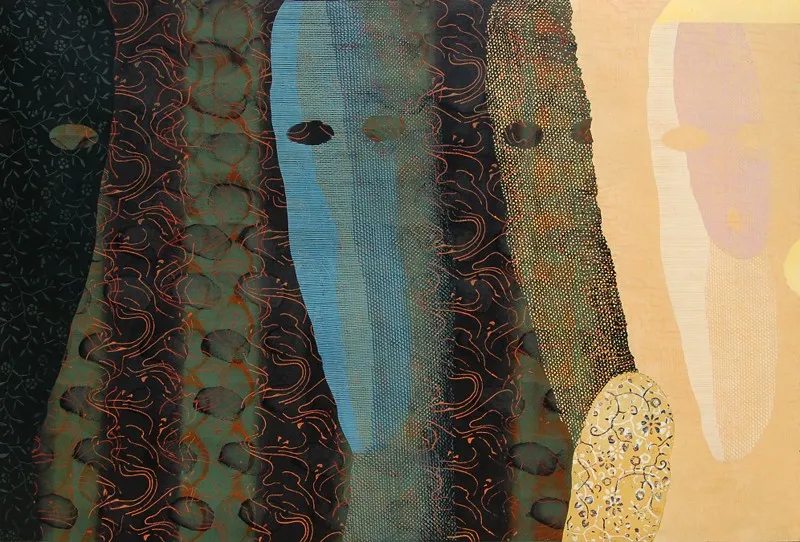
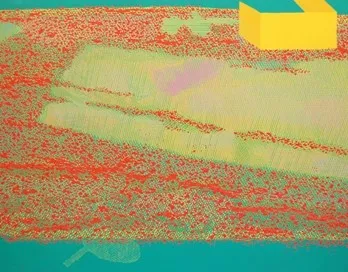
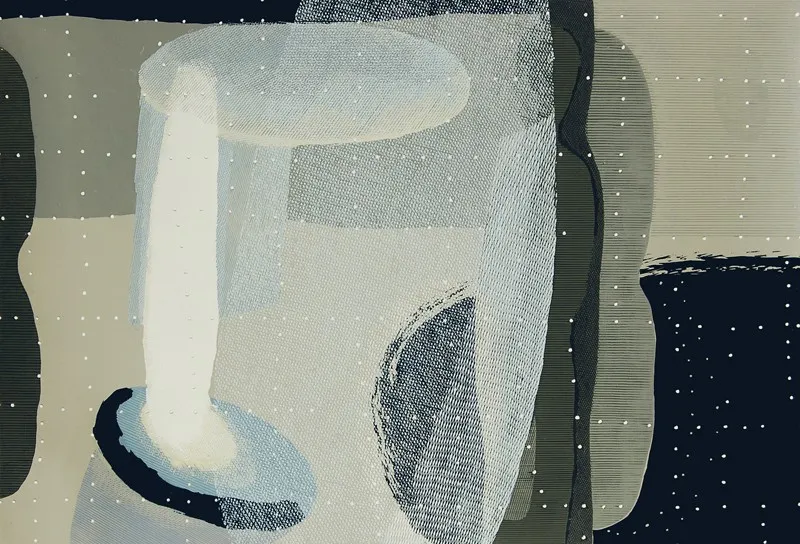
Ivo Křen (born 1964) is among the most remarkable contemporary linocut artists. His works radiate the joy the artist experiences during their creation, especially when layering individual colors. The works are as positively tuned as their author – a hedonist – and stand out with their colorfulness, which is created by multiple overprints and sometimes by combining linocut with monotype. The artist primarily finds his themes in nature – he is interested in structures, colors, and moods. Ivo Křen is a member of the glass art group Rubikon, with whom he regularly exhibits and serves as their theoretician. Besides his graphic work, he works as a curator of the glass collection at the East Bohemian Museum in Pardubice.

Excerpt from an interview with the author and curator Božena Vachudová, July 2011

You create multicolored linocuts. What fascinated you about so many color overprints? After all, this is an extraordinarily complex technical and craft process?

Moreover, in our dizzying and fast-paced present, you suddenly work in a different time, with a different “speed” – slowly, carefully, and concentratedly, as required by each new color phase of the linocut composition. I was fascinated by the freedom and the possibility of an almost painterly approach. Even though you aim for a predetermined expression, you can develop free work influenced immediately by the intermediate color state. I have always been attracted by the impressiveness of flat color fields alongside fleeting structures, which at the same time break the expectations of classical spatial perspective construction. One gets used to the complexity; nothing comes without effort. The overprinting technique is rich in expressions and beautiful. In linocut, there is the possibility to make sweeping gestures – in a powerful, striking area as well as in a harsh, incisive way of carving. But this technique also offers, through its processes, the possibility of a calming contemplative work, a kind of path that you fulfill by carving thousands of marks and layering colors.

Linocuts by Ivo Křen
The artist primarily finds inspiration for his work in nature — he is interested in structures, colors, and moods

This acceptance of the slow process of work as an existing order of things carries, despite any possible visual expressive dynamism of the final expression, a great inner strength and calm. And I certainly would not want to overlook in this “lengthy process” the moment of repeatedly enjoying the joy of that “miracle,” when with each color something is born under the hands, corresponding to the images in the imagination, transforming, offering many different paths forward... Simple, without great philosophies, intoxicating.

The word “garden” has often appeared in the titles of your works. Not only in the direct meaning of a certain plot of land, as I am accustomed to, e.g., a garden around a house, a school garden, a monastery garden, or a castle garden—park—but also in the sense of an ancient, mythical garden, or even the garden of the soul, a lover’s or friendly garden...

For me, the garden is a kind of substitute term for a natural situation and is therefore not necessarily tied only to experiences of artificially stylized compositions. It can also be a mere small corner of vegetation, an intertwining tangle. As a “garden,” I generally create a space that gives the impression of a place for calming perception, heightened sensitivity to noticing small beauties—such as structures and the composition of color accents themselves.

Ivo Křen is a member of the glass art group Rubikon
Works by Ivo Křen

It may contain stylized references to specific real objects, but essentially I perceive it as a kind of abstract composition.

What attracts you to the innovative combined technique — linocut on monotype? Could you also, if it’s not a secret, explain the entire creative process?

Monotype backgrounds attracted me because of their character, which differs from the rasters created by classical engraving. I usually made them by layering. They create a spatially abstract, undefined environment for the actual print, which has a much more precisely defined drawing of lines and surfaces.

As a means of expression, however, I intend to continue using them only in a limited way, as a local supplement, where their distinct character stands out more prominently than when they served as a full-surface background for the linocut print. Although, we shall see where the journey takes me.

A catalog accompanying the exhibition is published in cooperation with the Gallery of Art in Karlovy Vary, a contributory organization of the Karlovy Vary Region.


http://www.gallery.cz/gallery/cz/ivo-kren-vystava.html

Linocuts by Ivo Křen

Visit also

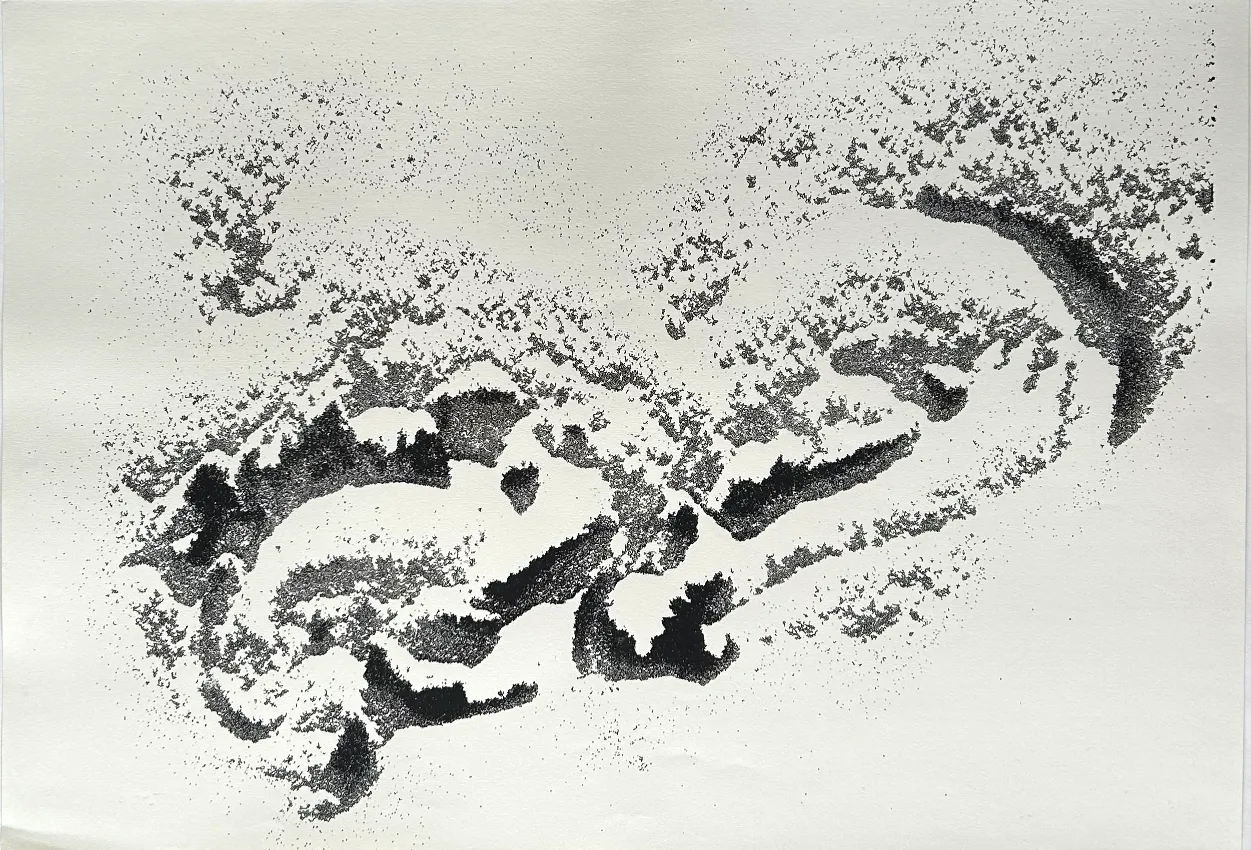
Rasterized | Screen Prints of the FAMU Department of Photography

Rasterized | Screen Prints of the FAMU Department of Photography

11/21/2026 – 3/7/2027

Since 2010, the FAMU Department of Photography has had a printmaking workshop, the aim of which is to develop the screen printing technique as a creative method of transforming photography. The workshop, led by Jan Měřička, is conceived as a creative environment on the border between photography and free graphic creation.

It is based on the assumption that screen printing as a method of reproducing photography is losing its relevance today and therefore it is necessary to find ways to work creatively with the crossover between these media. As part of the technical process of creating a work, the halftones of the photograph must be converted into a system of dots or lines – rasterization – which is visible and becomes part of the perception of the resulting artifact.
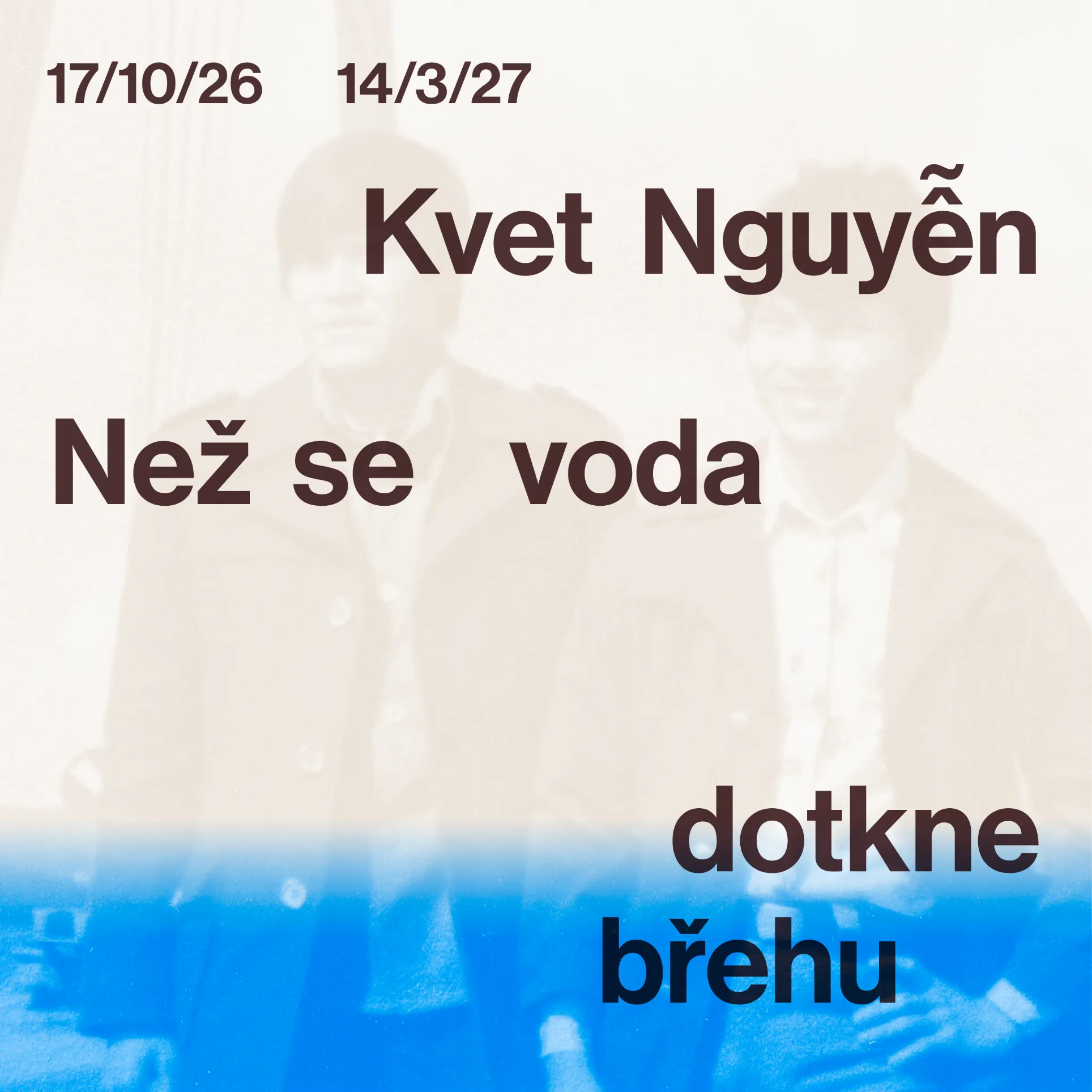
Kvet Nguyễn | Till the Water Meets the Shore

Kvet Nguyễn | Till the Water Meets the Shore

10/17/2026 – 3/14/2027

The extensive monographic exhibition presents the latest work by Slovak-Vietnamese artist Kvet Nguyễn. Conceived as a visual reading of chapters from the story of the Vietnamese diaspora in former Czechoslovakia, it traces its history from post-war migration during the era of socialist internationalism to the pivotal moment of the Velvet Revolution.

Małgorzata Mirga-Tas, Sráč Sam | Companion

Małgorzata Mirga-Tas, Sráč Sam | Companion

10/17/2026 – 3/28/2027

The exhibition presents a dialogue between two distinctive female artistic voices — Polish visual artist of Roma origin Małgorzata Mirga-Tas and Czech artist Sráč Sam. Both work with textiles as a medium of memory, identity, and female experience. While Małgorzata Mirga-Tas focuses on the Roma community and its visual and narrative representation, in the context of this exhibition Sráč Sam works with an architectural installation in which textiles appear only minimally, through the everyday carrier of meaning represented by sewn clothing. At the same time, the large-scale architectural structure demonstrates the interconnectedness of the individual elements of the overall composition, as well as the idea that having a place to rest and find support is a prerequisite for creating content and relationships.

Admission for educational programs
Knowledge Through Art

The mission of the education department's programs is to introduce students to the gallery environment, helping them overcome any hesitation about creating art and any initial apprehension about engaging with an unfamiliar space.

Program for Schools (60 / 90 min)

Show your pupils and students the true essence of art!

Art Workshop
Art Workshop

Become an artist for a moment with your children.

Visit us

Masarykova 723/14
Liberec 460 01
CZ

Opening hours

monday
tuesday
wednesday
thursday
friday
saturday
sunday
closed
10.00–18.00
10.00–18.00
10.00–19.00
10.00–19.00
10.00–18.00
10.00–18.00

Entrance fees

Standard admission
180 Kč
Reduced admission
100 Kč

Exhibition galleries are closed. The Design Shop and café remain open during regular opening hours.