Kresba 19. století ze sbírky Západočeské galerie v Plzni | 2. část

CuratorZuzana Štěpanovičová
Standard admission
180 Kč
Reduced admission
100 Kč
from 4/19/2007
to 6/10/2007
Exhibition of the 1990s Generation

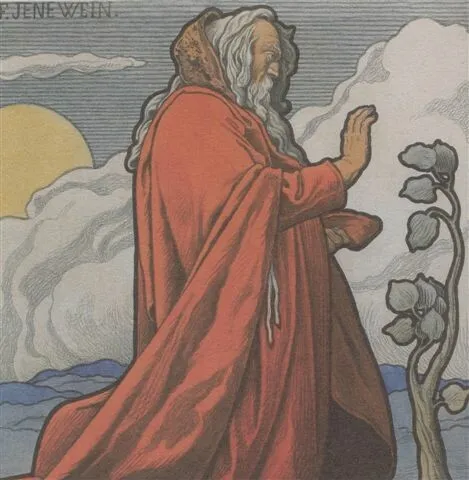
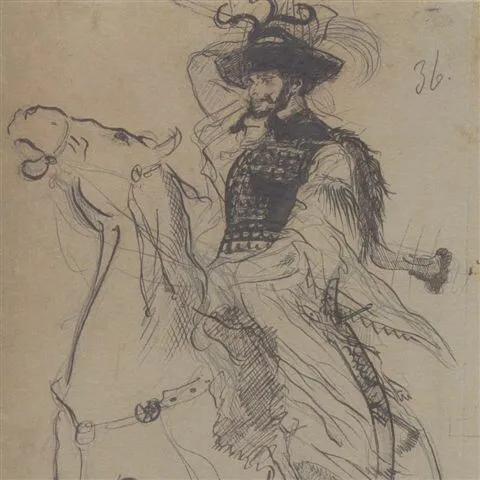
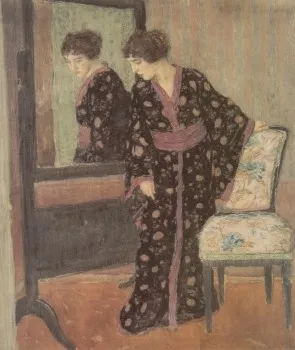
The second part of the exhibition Drawing of the 19th Century from the Collection of the West Bohemian Gallery in Pilsen includes drawings from the turn of the 19th and 20th centuries. The core of the exhibited collection consists of works by authors classified as the so-called Generation of the Nineties. The most significant collections belong to J. Preisler, A. Mucha, M. Švabinský, and F. Kupka. Another group of drawings relates to the completion of the decoration of the Pilsen brewery and several other buildings. A separate chapter is formed by two authorial bodies of Pilsen natives – Hugo Boettinger and Karel Špillar. A catalog was published for the exhibition.

The extensive collection of 19th-century drawings owned by the West Bohemian Gallery in Pilsen was divided into two parts. The first part, comprising drawings belonging in spirit and mostly in date exclusively to the 19th century, was presented by the Regional Gallery in Liberec in early spring 2006. The second part, which this exhibition is dedicated to, includes drawings from the turn of the 19th and 20th centuries.

The core of the exhibited collection consists of works by authors classified as the so-called Generation of the Nineties. The most significant collections belong to Alfons Mucha, Jan Preisler, Max Švabinský, and František Kupka. The oldest of the featured artists is A. Mucha, a painter and draftsman whose journey led from his native South Moravia through Vienna and Munich to Paris, where among his friends was, for example, A. Rodin. In Paris, Mucha’s style was established, which forms an important part of the global Art Nouveau visual language.

A group of drawings related to the completion of the decoration of the Pilsen brewery
Drawings of the 19th Century

Visitors can view, for example, the final Design for the poster of his own exhibition at the Salon des Cent (1897), in which the artist embedded both his artistic and life credo. The poster is based on elements of Moravian folk art but also contains symbols of Freemason philosophy. It is impressive not only for the charming figure of the girl, the harmony of lines and lettering, but also for its unusually delicate color execution. J. Preisler’s drawings present the artist as an excellent colorist and draftsman at the same time. They are studies or sketches for his best-known paintings (Spring, The Adventurous Knight, Lovers, etc.), into which the author infused moods connected with the desire for love and feelings of particular disappointment following hopeful beginnings. M. Švabinský, teacher of a whole generation of outstanding Czech graphic artists, is represented by his portrait work, among which Ela in a Hat (1904) is considered one of the most beautiful portraits in Czech modern art.

One of the pioneers of Czech and world abstract art, painter, draftsman, graphic artist, and illustrator F. Kupka belonged in early 20th-century Paris to the circle of collaborators of the anarchist review L’Assiette au Beurre, for which he created three satirical cycles – Money, Religion, and Peace. For the Liberec exhibition, the final version of the socially critical drawing New Times and five studies from the Money cycle were selected, showing the initial visual conception of the idea. A separate chapter is formed by two authorial bodies of artists born in Pilsen – Hugo Boettinger and Karel Špillar. The West Bohemian Gallery manages Boettinger’s graphic estate (almost four thousand drawings), which reveals the remarkable scope and work intensity of this artist. The Liberec gallery displays samples of his fresh sketches of Prague’s corners, social life at the turn of the century, and symbolic compositions of lost paradises. Karel Špillar, the creator of the decoration of the Municipal House in Prague, is represented by a collection of portraits, figure compositions, and nudes. Another group of drawings consists of works related to the completion of the decoration of the Pilsen brewery and numerous other buildings (including unrealized ones) in rapidly developing and prosperous Pilsen. These include works by Jan Kotěra and Jakub Obrovský. The latter, who has a larger collection in the West Bohemian Gallery in Pilsen, is awaiting evaluation of his significance within Czech art. The exhibition features more than eighty works from all artistic genres (except still lifes), created using various drawing techniques such as charcoal, ink, chalk, watercolor, and pastel. A catalog was published for the exhibition.

Visit also

Rasterized | Screen Prints of the FAMU Department of Photography

Rasterized | Screen Prints of the FAMU Department of Photography

11/21/2026 – 3/7/2027

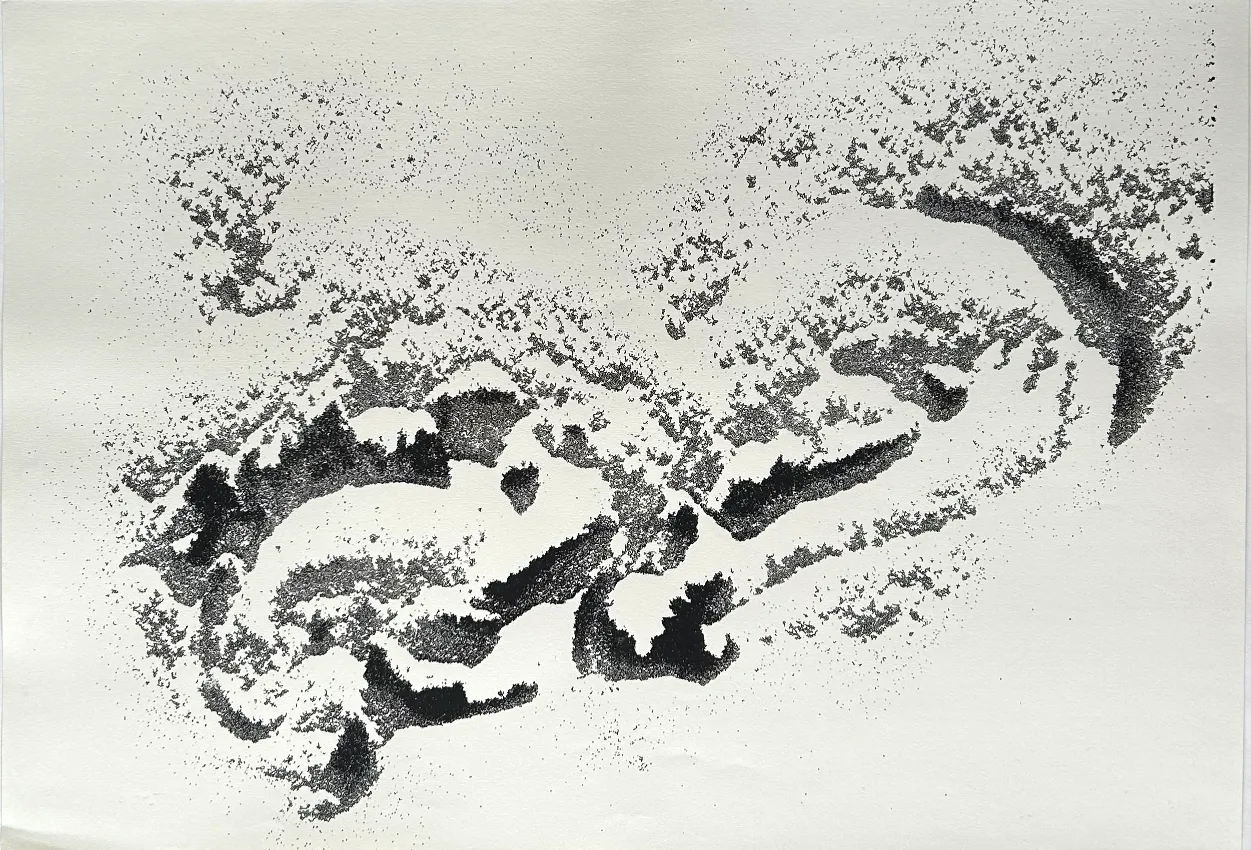
Since 2010, the FAMU Department of Photography has had a printmaking workshop, the aim of which is to develop the screen printing technique as a creative method of transforming photography. The workshop, led by Jan Měřička, is conceived as a creative environment on the border between photography and free graphic creation.

It is based on the assumption that screen printing as a method of reproducing photography is losing its relevance today and therefore it is necessary to find ways to work creatively with the crossover between these media. As part of the technical process of creating a work, the halftones of the photograph must be converted into a system of dots or lines – rasterization – which is visible and becomes part of the perception of the resulting artifact.

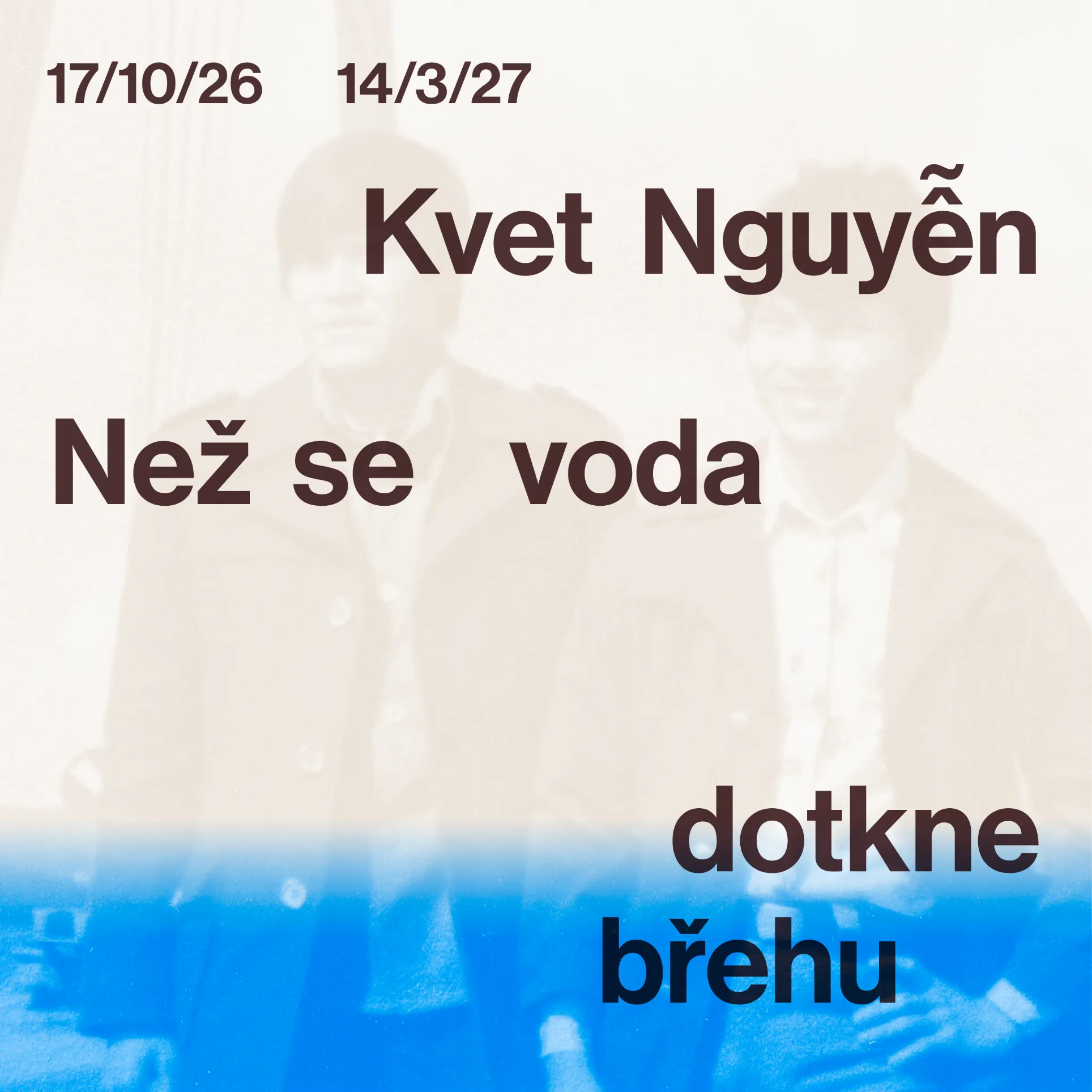
Kvet Nguyễn | Till the Water Meets the Shore

Kvet Nguyễn | Till the Water Meets the Shore

10/17/2026 – 3/14/2027

The extensive monographic exhibition presents the latest work by Slovak-Vietnamese artist Kvet Nguyễn. Conceived as a visual reading of chapters from the story of the Vietnamese diaspora in former Czechoslovakia, it traces its history from post-war migration during the era of socialist internationalism to the pivotal moment of the Velvet Revolution.

Małgorzata Mirga-Tas, Sráč Sam | Companion

Małgorzata Mirga-Tas, Sráč Sam | Companion

10/17/2026 – 3/28/2027

The exhibition presents a dialogue between two distinctive female artistic voices — Polish visual artist of Roma origin Małgorzata Mirga-Tas and Czech artist Sráč Sam. Both work with textiles as a medium of memory, identity, and female experience. While Małgorzata Mirga-Tas focuses on the Roma community and its visual and narrative representation, in the context of this exhibition Sráč Sam works with an architectural installation in which textiles appear only minimally, through the everyday carrier of meaning represented by sewn clothing. At the same time, the large-scale architectural structure demonstrates the interconnectedness of the individual elements of the overall composition, as well as the idea that having a place to rest and find support is a prerequisite for creating content and relationships.

Admission for educational programs
Knowledge Through Art

The mission of the education department's programs is to introduce students to the gallery environment, helping them overcome any hesitation about creating art and any initial apprehension about engaging with an unfamiliar space.

Program for Schools (60 / 90 min)

Show your pupils and students the true essence of art!

Art Workshop
Art Workshop

Become an artist for a moment with your children.

Visit us

Masarykova 723/14
Liberec 460 01
CZ

Opening hours

monday
tuesday
wednesday
thursday
friday
saturday
sunday
closed
10.00–18.00
10.00–18.00
10.00–19.00
10.00–19.00
10.00–18.00
10.00–18.00

Entrance fees

Standard admission
180 Kč
Reduced admission
100 Kč

Exhibition galleries are closed. The Design Shop and café remain open during regular opening hours.