Otto Th. W. Stein (1877–1958) | A Selection of Works

CuratorAnna Habánová
Standard admission
180 Kč
Reduced admission
100 Kč
from 6/22/2006
to 9/17/2006
Watercolour Work

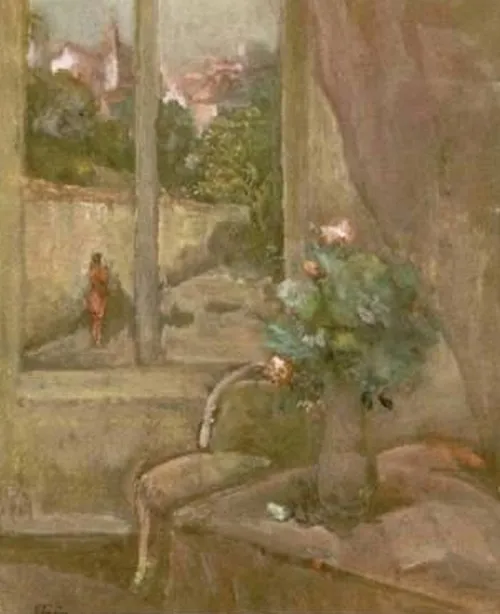
The exhibition of Otto Theodor W. Stein is one of the exhibitions organised by the Liberec Gallery that aim to present artists connected with the region. From 22 June to 17 September 2006, visitors will be able to see a selection of works on paper in the Graphic Cabinet, primarily watercolours, gouaches and pencil drawings. The exhibition is part of a nationwide project A Year with Jewish Culture – 100 Years of the Jewish Museum in Prague. Otto Stein was born on 23 January 1877 in Žatec, into a Jewish, German-speaking family. After completing grammar school in Liberec and staying in Italy, he enrolled in a private art school in Vienna in 1900. He then attended the Academy of Fine Arts in Karlsruhe, which he graduated from in 1903 in the studio of Ludwig Schmid-Reutte. Already married, he settled with his family in Prague in 1903 and enrolled in the studio of Hanuš Schwaiger at the Academy (1903–1906).

However, his restless soul longed for further knowledge and travel. Until the beginning of the First World War, he lived alternately in Karlsruhe, Dresden, Paris and Munich, and became a member of the New Munich Secession. After the creation of the new Czechoslovak state, he accepted Czechoslovak citizenship. In the summer of 1919 he went to Berlin, and in the following years he took part in several exhibitions in Germany. In terms of subject matter, his work was dominated by portraits and landscapes, for which he sought inspiration in the surroundings of Berlin and further afield, especially on the North Sea coast. In 1924 he settled in Chemnitz. He succeeded in presenting his works in important German exhibition halls as well as in public and private collections, such as the Prague Modern Gallery (today the National Gallery in Prague) and the municipal collections in Chemnitz.

Simple lines and muted colours

The period of growing racial intolerance did not spare Stein either. In September 1935 he returned to Prague, where many German Jews had sought refuge after 1933. In July 1942 he was deported to Terezín. He left the camp on 30 May 1945. After the war Stein found shelter for two years in the family of Willi Nowak. Although he held Czechoslovak citizenship and was a Jew who had survived a concentration camp, he was considered German because his native language was German. In 1951 he finally chose Frýdlant in Bohemia as his last place of residence. He remained active until autumn 1958, when his health rapidly deteriorated. Otto Stein died on 29 November 1958 at the age of 81. The Liberec collection contains seven paintings and seventy works on paper – pencil drawings, watercolours and gouaches. Although only part of Stein’s oeuvre has survived (the Liberec gallery collection is the largest public holding in Europe), it can be stated that Stein’s artistic style is clearly recognisable. His intimate landscapes, portraits and still lifes are characterised by simple lines and muted colours, predominantly in brown and grey tones. Except for a few exceptions, he did not succumb to any of the modern art movements of the first half of the 20th century. The exhibition presents works from the 1920s to the 1950s – landscapes of northern Germany, moments from Terezín, flower still lifes and portraits – which can be seen in such a comprehensive form for the first time in almost fifty years.

Anna Habánová, M.A. Liberec, 6 January 2006

Visit also

Rasterized | Screen Prints of the FAMU Department of Photography

Rasterized | Screen Prints of the FAMU Department of Photography

11/21/2026 – 3/7/2027

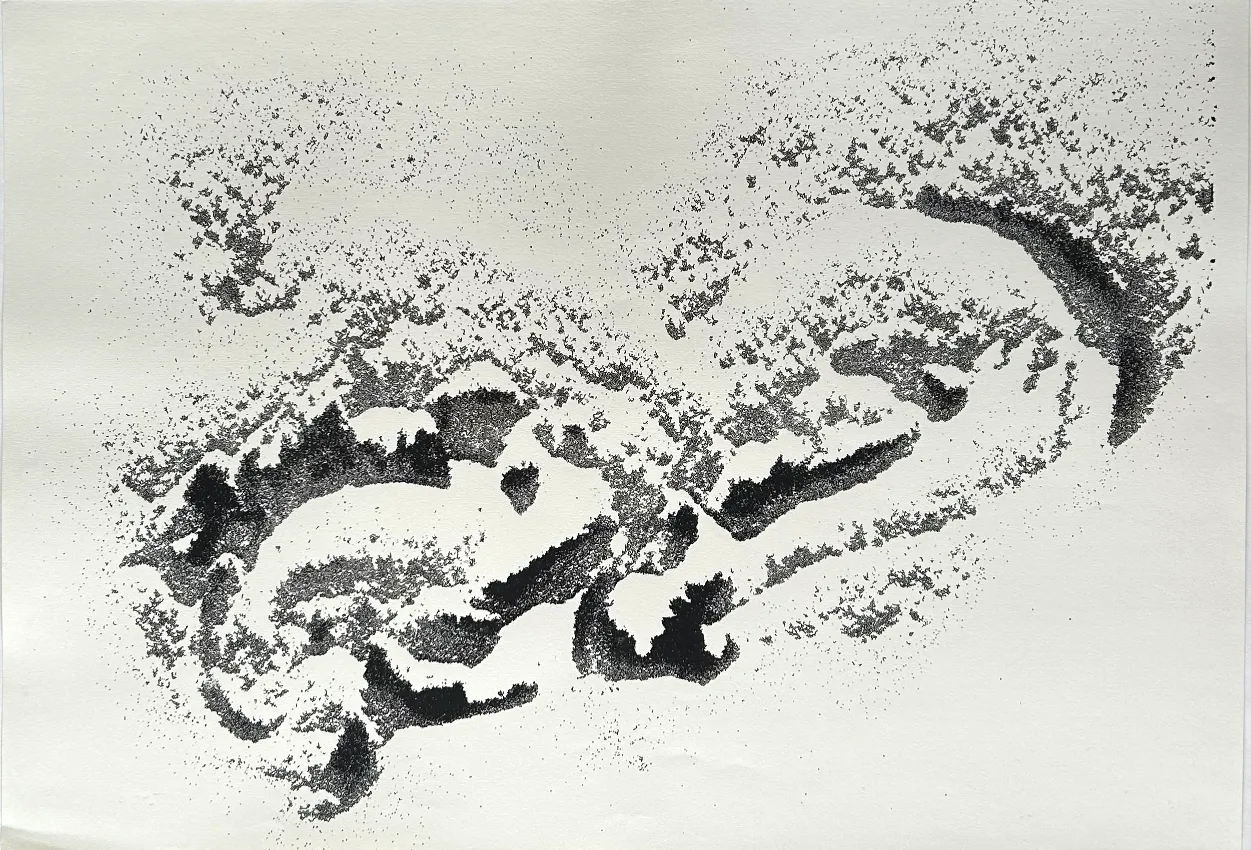
Since 2010, the FAMU Department of Photography has had a printmaking workshop, the aim of which is to develop the screen printing technique as a creative method of transforming photography. The workshop, led by Jan Měřička, is conceived as a creative environment on the border between photography and free graphic creation.

It is based on the assumption that screen printing as a method of reproducing photography is losing its relevance today and therefore it is necessary to find ways to work creatively with the crossover between these media. As part of the technical process of creating a work, the halftones of the photograph must be converted into a system of dots or lines – rasterization – which is visible and becomes part of the perception of the resulting artifact.
Kvet Nguyễn | Till the Water Meets the Shore

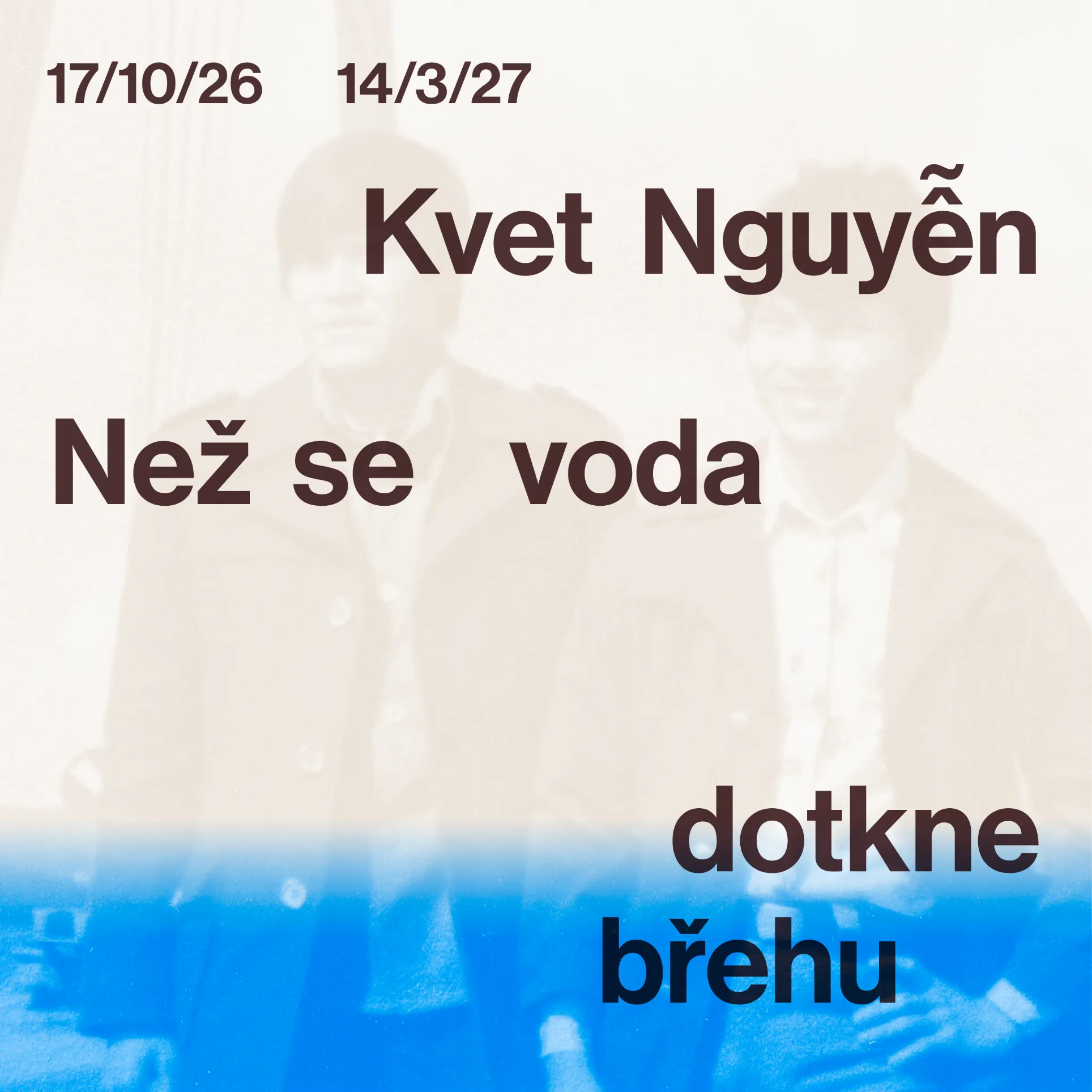
Kvet Nguyễn | Till the Water Meets the Shore

10/17/2026 – 3/14/2027

The extensive monographic exhibition presents the latest work by Slovak-Vietnamese artist Kvet Nguyễn. Conceived as a visual reading of chapters from the story of the Vietnamese diaspora in former Czechoslovakia, it traces its history from post-war migration during the era of socialist internationalism to the pivotal moment of the Velvet Revolution.

Małgorzata Mirga-Tas, Sráč Sam | Companion

Małgorzata Mirga-Tas, Sráč Sam | Companion

10/17/2026 – 3/28/2027

The exhibition presents a dialogue between two distinctive female artistic voices — Polish visual artist of Roma origin Małgorzata Mirga-Tas and Czech artist Sráč Sam. Both work with textiles as a medium of memory, identity, and female experience. While Małgorzata Mirga-Tas focuses on the Roma community and its visual and narrative representation, in the context of this exhibition Sráč Sam works with an architectural installation in which textiles appear only minimally, through the everyday carrier of meaning represented by sewn clothing. At the same time, the large-scale architectural structure demonstrates the interconnectedness of the individual elements of the overall composition, as well as the idea that having a place to rest and find support is a prerequisite for creating content and relationships.

Admission for educational programs
Knowledge Through Art

The mission of the education department's programs is to introduce students to the gallery environment, helping them overcome any hesitation about creating art and any initial apprehension about engaging with an unfamiliar space.

Program for Schools (60 / 90 min)

Show your pupils and students the true essence of art!

Art Workshop
Art Workshop

Become an artist for a moment with your children.

Visit us

Masarykova 723/14
Liberec 460 01
CZ

Opening hours

monday
tuesday
wednesday
thursday
friday
saturday
sunday
closed
10.00–18.00
10.00–18.00
10.00–19.00
10.00–19.00
10.00–18.00
10.00–18.00

Entrance fees

Standard admission
180 Kč
Reduced admission
100 Kč

Exhibition galleries are closed. The Design Shop and café remain open during regular opening hours.