Pavel Ježek – Eva Vlasáková | Between a Second and Eternity

CuratorZuzana Štěpanovičová
Standard admission
180 Kč
Reduced admission
100 Kč
from 10/1/2009
to 11/22/2009
Glass Art

The Regional Gallery in Liberec prepared a retrospective exhibition for the autumn, running from October 1 to November 22, 2009, dedicated to academic sculptor Pavel Ježek (1938–1999), former director of the Secondary School of Glassmaking in Železný Brod, and academic painter Eva Vlasáková (1943). The exhibition presents their glass artworks, complemented by Eva Vlasáková’s drawings, prints, paintings, collages, and paper objects. Pavel Ježek initially worked with glass as a designer. From 1974 to 1982, he collaborated with the Škrdlovice glassworks, for which he created a number of designs for utilitarian and modestly decorative vessels – vases, jardinieres, bowls, ashtrays, etc. The massive shapes of the vessels are enriched with coloured bands, plastic ribs, and simple applied decorations. This work earned Ježek a gold medal at the International Exhibition of Glass and Porcelain in 1979 in Jablonec nad Nisou.

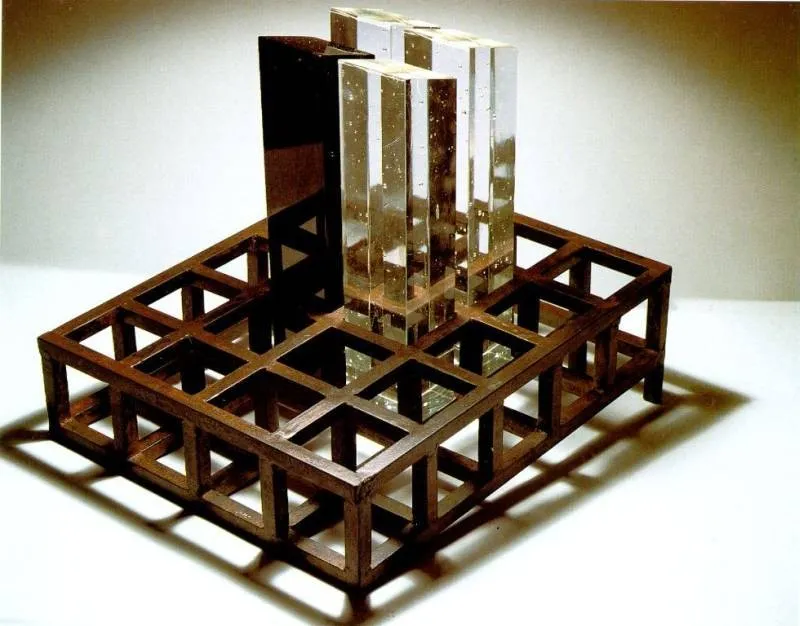
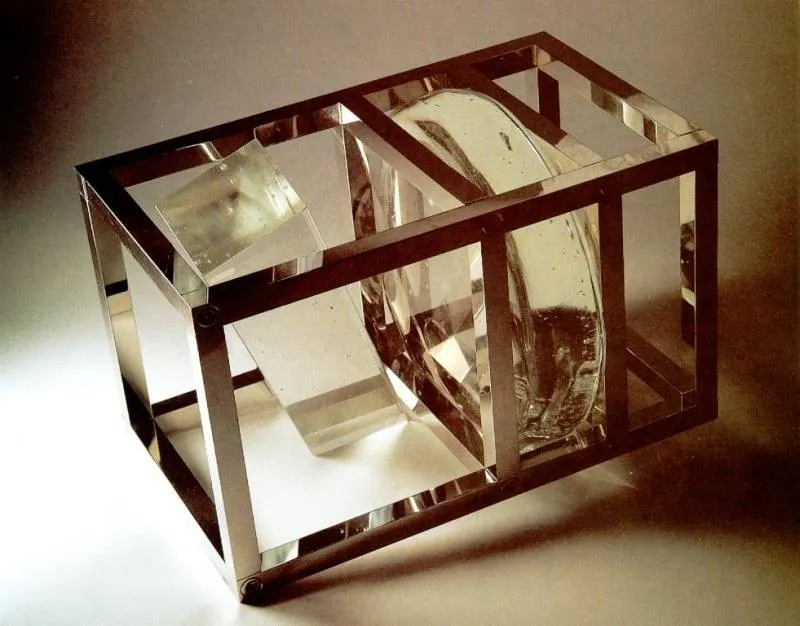
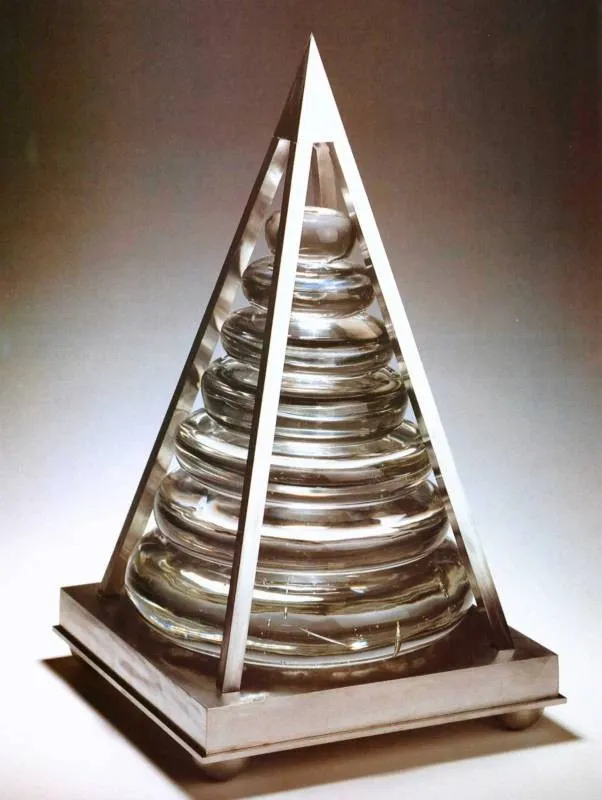
A turning point in Pavel Ježek’s artistic development came in the years 1977–1978, when he began creating massive glass sculptures characterized by geometrical order and bold forms. Soon, his free-shaped glass sculptures were complemented by works combining wood, steel, and iron, often composed of several parts. The cast glass he used is almost exclusively clear and cut into stereometric blocks. These are frequently enveloped by polished steel structures, which lend the sculptures the orderliness of architecture. This creative approach was recognised in 1990 at an exhibition at the Kunstmuseum in Düsseldorf, where Pavel Ježek was included in a prestigious selection of 50 European glass artists whose conceptual work had made a significant contribution to the development and shaping of contemporary studio glass art.

Transfer of Drawing onto Glass Surface
Glass Art

In 1990, Pavel Ježek was appointed director of the Secondary School of Glassmaking in Železný Brod (SUPŠS). During his tenure, the school developed a highly motivating environment: new workshops were established, intensive drawing and art history instruction was introduced, and international cooperation expanded. Students were encouraged to create to such an extent that in 1996, the school became the only secondary institution to participate in the Venice Biennale, competing alongside glass studios from art academies around the world.

Eva Vlasáková is a prominent figure in Czech graphic art. She has received numerous national and international awards — notably a gold medal in Barcelona (1985) and a bronze medal at the 13th Graphic Art Biennale in Brno (1988). Her works are held in the collections of esteemed institutions such as the Art Institute of Chicago and the Museum of Czech Literature in Prague.

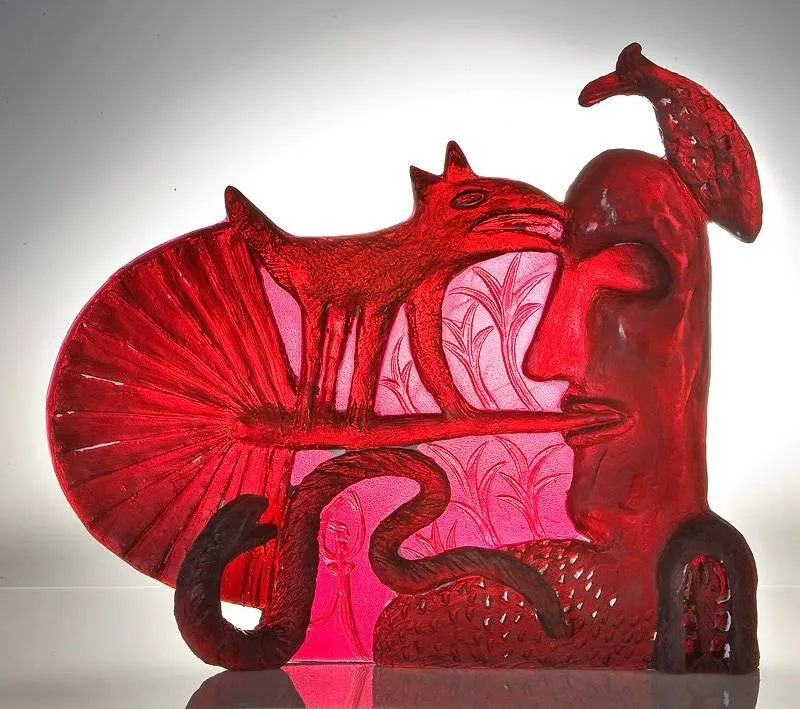
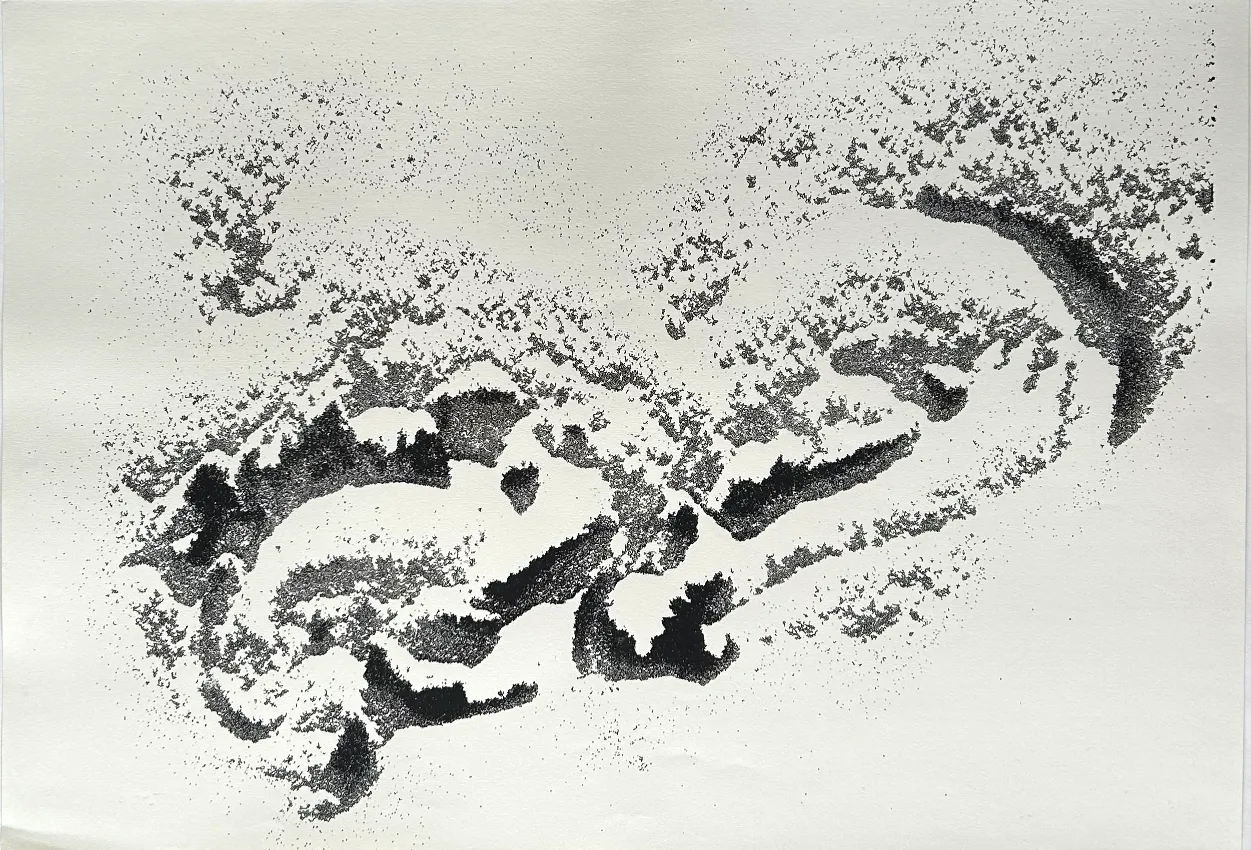
At the core of Eva Vlasáková’s artistic expression lies drawing, almost exclusively focused on human and animal figures. In terms of both generation and themes, she could be associated with Czech art grotesque. In this spirit, the artist liberates the appearance of people and animals from conventional physiognomy, deliberately exaggerating certain features to bring dynamic movement into the composition.

A recurring theme in her work is the pitfalls of interpersonal communication, portrayed ironically through futile calls and unheard cries. Figures descend to the ground through formless space, only to suddenly vanish into the unknown. Their actions often lack clear conviction or motive.

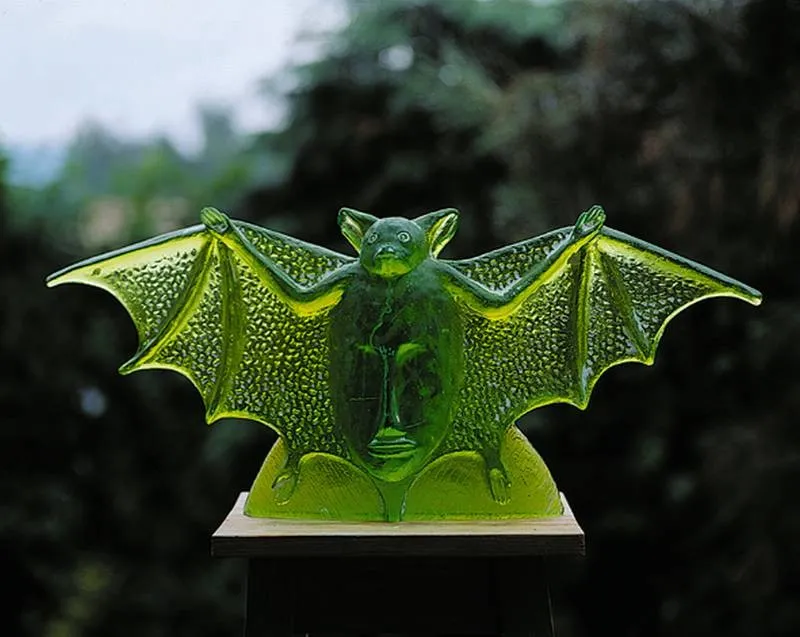
Since 1982, Eva Vlasáková has also taken a deep interest in glass art. The three-dimensional quality of glass has become a new medium through which she refines her ideas previously explored in drawing and printmaking.

Transfer of Drawing onto Glass Surface
Glass Art

In her early glass works, she experimented with transferring drawings onto the glass surface. Her other sculptures also bear the mark of her drawing skills. Some of them do not fully exploit three-dimensionality but rather resemble Romanesque reliefs. The ironic undertone is softened here, replaced by an emphasis on linear rhythm and poetic use of color.

The artist’s ambition is to explore as many artistic disciplines as possible. Therefore, in the 1990s, she turned to collage and worked with paper pulp, creating a series of spatial objects using these techniques.

Visit also

Rasterized | Screen Prints of the FAMU Department of Photography

Rasterized | Screen Prints of the FAMU Department of Photography

11/21/2026 – 3/7/2027

Since 2010, the FAMU Department of Photography has had a printmaking workshop, the aim of which is to develop the screen printing technique as a creative method of transforming photography. The workshop, led by Jan Měřička, is conceived as a creative environment on the border between photography and free graphic creation.

It is based on the assumption that screen printing as a method of reproducing photography is losing its relevance today and therefore it is necessary to find ways to work creatively with the crossover between these media. As part of the technical process of creating a work, the halftones of the photograph must be converted into a system of dots or lines – rasterization – which is visible and becomes part of the perception of the resulting artifact.
Kvet Nguyễn | Till the Water Meets the Shore

Kvet Nguyễn | Till the Water Meets the Shore

10/17/2026 – 3/14/2027

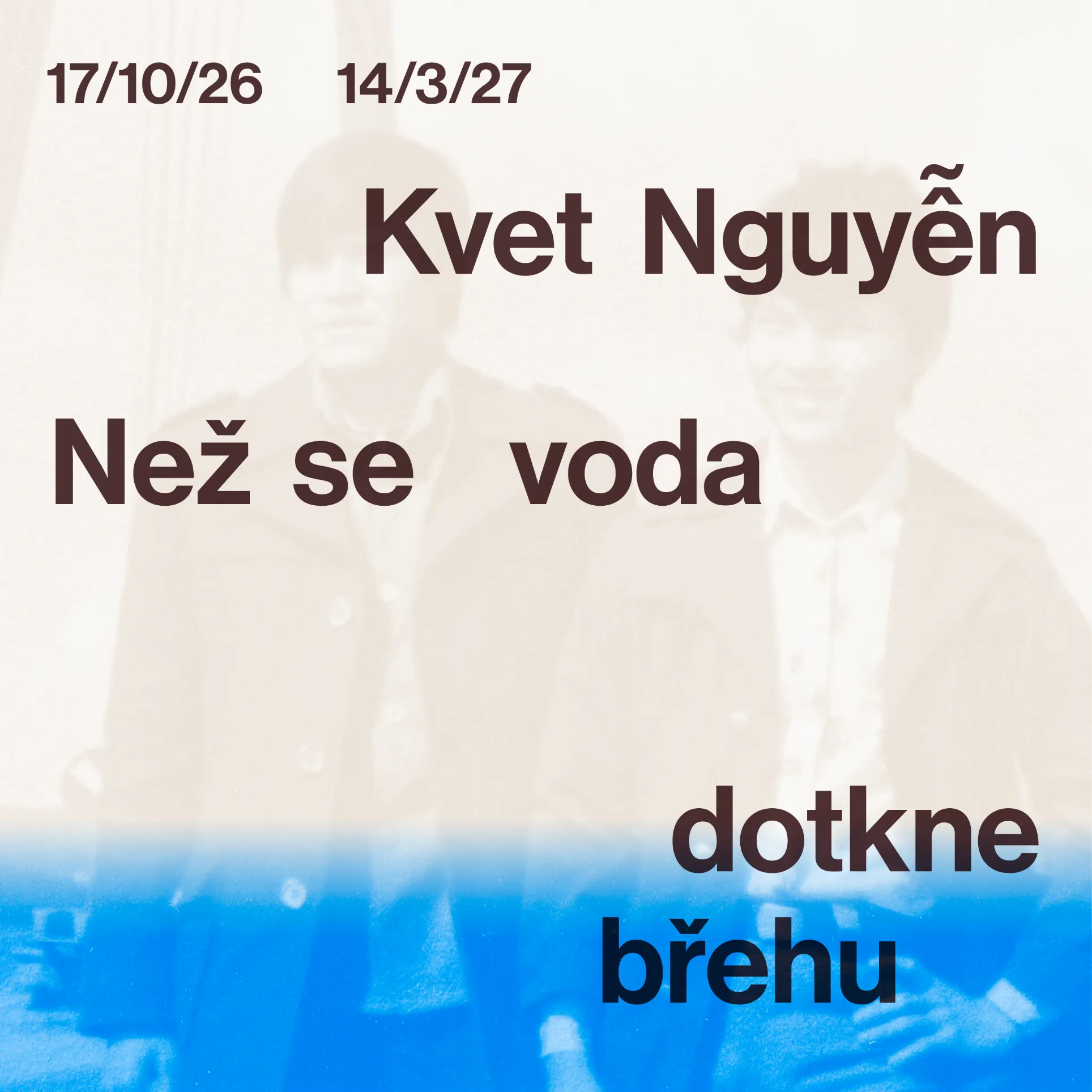
The extensive monographic exhibition presents the latest work by Slovak-Vietnamese artist Kvet Nguyễn. Conceived as a visual reading of chapters from the story of the Vietnamese diaspora in former Czechoslovakia, it traces its history from post-war migration during the era of socialist internationalism to the pivotal moment of the Velvet Revolution.

Małgorzata Mirga-Tas, Sráč Sam | Companion

Małgorzata Mirga-Tas, Sráč Sam | Companion

10/17/2026 – 3/28/2027

The exhibition presents a dialogue between two distinctive female artistic voices — Polish visual artist of Roma origin Małgorzata Mirga-Tas and Czech artist Sráč Sam. Both work with textiles as a medium of memory, identity, and female experience. While Małgorzata Mirga-Tas focuses on the Roma community and its visual and narrative representation, in the context of this exhibition Sráč Sam works with an architectural installation in which textiles appear only minimally, through the everyday carrier of meaning represented by sewn clothing. At the same time, the large-scale architectural structure demonstrates the interconnectedness of the individual elements of the overall composition, as well as the idea that having a place to rest and find support is a prerequisite for creating content and relationships.

Single annual entry fee
Stay in the loop all year long!

Get an annual pass and never miss an exhibition again.

Visit us

Masarykova 723/14
Liberec 460 01
CZ

Opening hours

monday
tuesday
wednesday
thursday
friday
saturday
sunday
closed
10.00–18.00
10.00–18.00
10.00–19.00
10.00–19.00
10.00–18.00
10.00–18.00

Entrance fees

Standard admission
180 Kč
Reduced admission
100 Kč

Exhibition galleries are closed. The Design Shop and café remain open during regular opening hours.